
Introduction
Founded in 1970 as a consortium of European aerospace manufacturers, Airbus emerged as a symbol of innovation, collaboration, and competition in the global aviation industry. The company was born from a shared ambition among European nations to counter the dominance of American aircraft manufacturers, such as Boeing and McDonnell Douglas. Over the decades, Airbus has evolved into one of the world’s largest aircraft producers, with a portfolio that includes some of the most iconic airplanes in aviation history.
From the revolutionary A300, which set the standard for wide-body twinjets, to the record-breaking A380, Airbus has consistently pushed the boundaries of engineering and production. The company has also pioneered fly-by-wire technology, introduced new standards for fuel efficiency, and committed to sustainability through its focus on hydrogen-powered aircraft and eco-friendly production. This article explores Airbus’s journey, its engineering marvels, and its vision for the future of aviation.
The Founding of Airbus: A European Vision for Aviation
The foundation of Airbus was a bold response to the rapidly changing landscape of global aviation in the 20th century. By the 1960s, American companies like Boeing, McDonnell Douglas, and Lockheed dominated the skies, leaving European manufacturers fragmented and unable to compete. Recognizing the need for a unified approach, governments in France, Germany, and later the United Kingdom and Spain collaborated to establish Airbus Industrie in 1970. The goal was clear: to pool resources, expertise, and technology to create a competitive European aircraft manufacturer.
Airbus’s first headquarters were established in Toulouse, France, and the consortium adopted a novel approach to aircraft production. Instead of building planes in a single location, components were manufactured in facilities across Europe and then transported to a central assembly line. This distributed production model not only showcased the collaborative spirit of Airbus but also allowed each participating nation to play a vital role in its success.
The company’s first aircraft project, the A300, was equally ambitious. It was envisioned as the world’s first wide-body twinjet, a significant departure from the four-engine designs prevalent at the time. This innovative concept aimed to provide airlines with greater efficiency, lower operating costs, and better passenger experiences. However, the A300’s development was fraught with challenges, including skepticism from potential customers and financial hurdles.
Airbus overcame these obstacles through strategic partnerships and technological innovation. The A300’s lightweight design, achieved through advanced materials and aerodynamics, became a hallmark of Airbus engineering. Moreover, the company introduced a unique cooperative business model, where profits and risks were shared among member countries, fostering long-term commitment.
By the late 1970s, Airbus had succeeded in delivering its first A300 to airlines, marking the beginning of a new era in European aviation. The aircraft’s success proved that a multinational approach to aerospace engineering could challenge American dominance, laying the foundation for Airbus’s future growth.
The A300: Launching the Era of Wide-Body Twinjets
The Airbus A300 was not just the company’s first aircraft but also a groundbreaking achievement in the aviation industry. Introduced in 1974, the A300 was the world’s first twin-engine wide-body jet, a design that challenged conventional wisdom at the time. Airlines had traditionally relied on quad-engine or tri-engine jets for long-haul flights, believing they were essential for safety and performance. Airbus, however, recognized the potential of twin-engine aircraft to deliver comparable capabilities at a fraction of the cost.
At the heart of the A300’s success was its innovative engineering. The aircraft featured a high aspect ratio wing, which improved fuel efficiency and reduced drag, and it was constructed using lightweight materials to enhance performance. The A300 also introduced advanced avionics systems, which simplified cockpit operations and reduced the workload for pilots. These features not only made the A300 more economical to operate but also positioned it as a reliable and efficient option for airlines.
The A300 initially faced a slow reception in the market. Airlines were hesitant to invest in a new design from an unproven manufacturer, and Airbus struggled to secure orders. The breakthrough came in 1977 when Eastern Air Lines, a major U.S. carrier, leased several A300s and discovered significant cost savings in fuel and maintenance. This endorsement from a non-European airline validated Airbus’s vision and opened the door to international success.
Over the years, the A300 evolved into a versatile platform, serving not only as a passenger aircraft but also as a cargo carrier and a military transport. Its modular design allowed for multiple configurations, catering to diverse customer needs. By the time production ended in 2007, Airbus had delivered more than 560 A300s, solidifying its reputation as a credible competitor in the global aviation market.
The A300’s legacy extends beyond its own production run. It established Airbus as an innovator in commercial aviation and laid the groundwork for the company’s future successes. The lessons learned from the A300’s development informed the creation of subsequent models, including the immensely popular A320 family, proving that Airbus’s commitment to efficiency and innovation was more than a passing trend.
Expanding the Fleet: Introducing the A320 and the Revolution of Fly-by-Wire
The Airbus A320, introduced in 1988, marked a pivotal moment in aviation history by setting a new standard for technological innovation and operational efficiency. While the A300 established Airbus as a serious competitor, the A320 catapulted the company into a leading position in the global aviation market. Designed as a narrow-body, short-to-medium-haul aircraft, the A320 was Airbus’s response to Boeing‘s dominance in the single-aisle segment with its 737 series. However, the A320 did more than compete; it redefined the category altogether.
At the heart of the A320’s success was its revolutionary fly-by-wire (FBW) system, which replaced traditional mechanical flight controls with an electronic interface. This innovation gave pilots more precise control while enhancing safety and reducing weight. The FBW system also incorporated flight envelope protection, which prevented pilots from exceeding the aircraft’s structural limits. This combination of safety and efficiency was a game-changer and became a hallmark of Airbus designs.
The A320 also featured a two-person cockpit, eliminating the need for a flight engineer, thanks to its advanced avionics. This design reduced operational costs and made the aircraft more appealing to airlines. Additionally, Airbus adopted a common cockpit philosophy for the A320 family, enabling pilots to transition between different Airbus models with minimal retraining. This approach not only streamlined operations for airlines but also reinforced customer loyalty.
Another key to the A320’s success was its economic performance. The aircraft was equipped with efficient CFM56 engines that offered lower fuel consumption and reduced maintenance costs compared to competitors. These factors, combined with its ability to accommodate up to 240 passengers in its extended versions, made the A320 highly attractive to airlines seeking profitability in the competitive short-haul market.
The A320 family’s modular design allowed Airbus to develop variations such as the A318, A319, and A321, catering to different market needs while maintaining production efficiency. This adaptability ensured that the A320 series remained relevant even as market dynamics shifted. Furthermore, the introduction of the A320neo (New Engine Option) in the 2010s, featuring even more fuel-efficient engines and aerodynamic improvements, reinforced the model’s dominance.
The A320’s influence extends far beyond its sales figures, which surpassed 10,000 units by the 2020s. It established Airbus as a leader in innovation, demonstrated the benefits of digital flight control systems, and set new benchmarks for passenger comfort and airline efficiency. The success of the A320 also provided Airbus with the financial and technological foundation to pursue even more ambitious projects, such as the A380 and its foray into sustainable aviation technologies.
In the fiercely competitive single-aisle market, the A320’s legacy is unparalleled. It not only redefined what a narrow-body aircraft could achieve but also solidified Airbus’s reputation as a company willing to challenge conventions and push the boundaries of engineering.
Breaking Barriers: The Creation of the Airbus A380
The Airbus A380, unveiled in 2005, stands as one of the most ambitious projects in aviation history. Designed to meet the growing demand for air travel and the need for high-capacity aircraft, the A380 was Airbus’s bold answer to the dominance of Boeing‘s 747. As the world’s largest passenger aircraft, the A380 redefined luxury, engineering, and the possibilities of long-haul travel.
The A380’s development was driven by the belief that major airports worldwide would face capacity constraints as air travel continued to grow. Airbus envisioned a future where airlines would require larger planes to transport more passengers between hub airports efficiently. The A380 was designed to address this need, offering a double-deck configuration that could carry up to 850 passengers in an all-economy layout or 555 in a three-class configuration.
Engineering the A380 posed unprecedented challenges. Its massive size required innovative solutions in aerodynamics, materials, and systems integration. Airbus employed advanced composite materials to reduce the aircraft’s weight and introduced new wing designs with a span of 79.8 meters to enhance lift and fuel efficiency. The A380 also featured four Rolls-Royce Trent 900 or Engine Alliance GP7200 engines, which provided the power needed for its colossal frame while meeting stringent noise and emission standards.
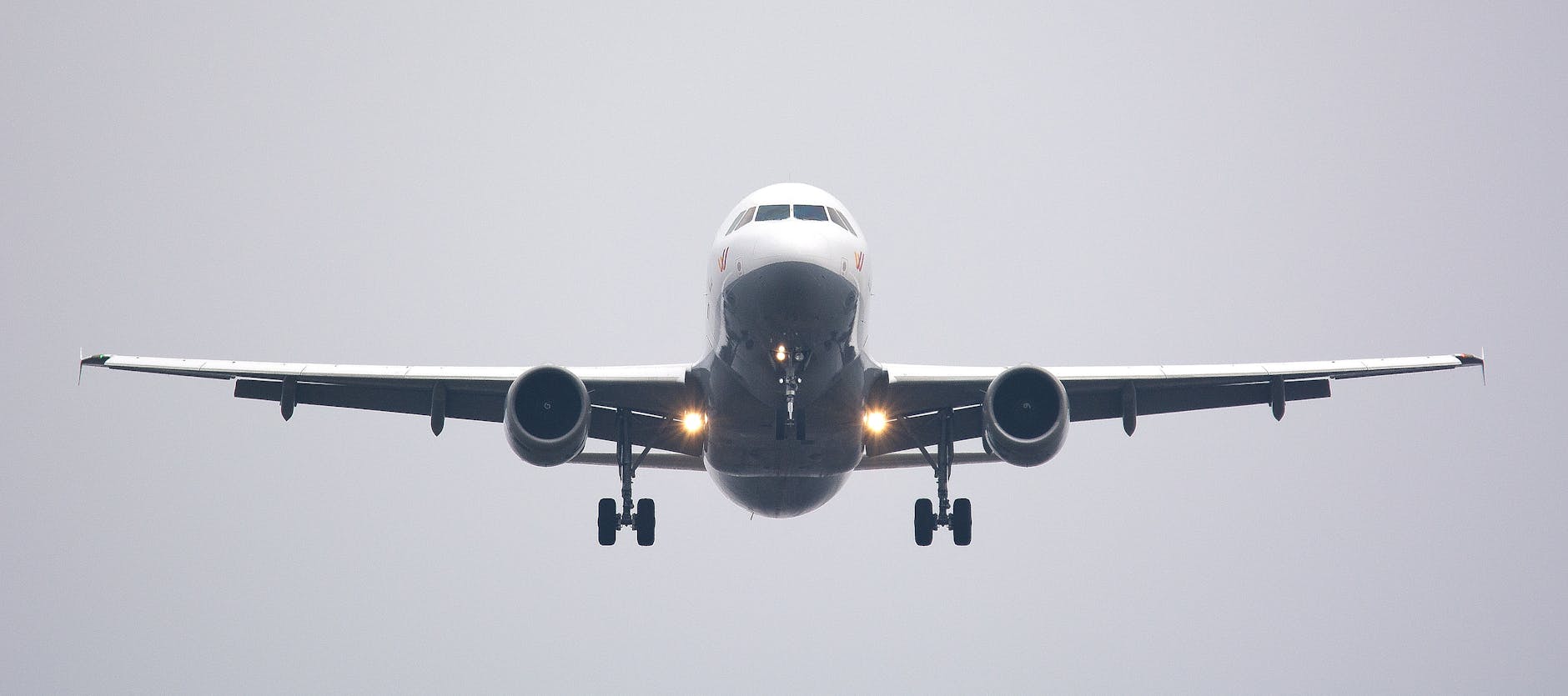
The A380 set new standards for passenger comfort. With its spacious cabins, wider seats, and quieter interiors, it offered travelers an unparalleled flying experience. Airlines equipped the aircraft with features like onboard lounges, first-class suites, and even showers, transforming long-haul flights into a luxurious journey. For economy passengers, the aircraft’s design provided more personal space and reduced cabin noise, enhancing overall comfort.
Despite its engineering brilliance, the A380 faced significant commercial challenges. The rise of point-to-point travel, enabled by more fuel-efficient twin-engine aircraft like the Boeing 787 and Airbus A350, reduced the demand for hub-to-hub operations that the A380 was designed for. Many airlines struggled to fill the aircraft’s capacity, and its high operating costs further limited its appeal. By 2021, Airbus announced the end of A380 production, citing a lack of new orders.
Nevertheless, the A380 remains a symbol of Airbus’s ambition and technical expertise. It pushed the boundaries of what was possible in aviation, demonstrating the company’s ability to innovate on a grand scale. The lessons learned from its development have influenced subsequent projects, ensuring that the A380’s legacy lives on in Airbus’s pursuit of excellence.
Sustainability and Innovation: Airbus’s Approach to Green Aviation
In recent decades, Airbus has become a leader in the aviation industry’s shift toward sustainability. As global concerns about climate change and environmental impact intensified, Airbus committed itself to reducing the carbon footprint of its aircraft and exploring groundbreaking technologies to make aviation more eco-friendly. This commitment has positioned Airbus as a trailblazer in green aviation, leading the charge in a traditionally high-emission industry.
One of Airbus’s earliest moves toward sustainability was the development of fuel-efficient aircraft. The A320neo (New Engine Option), introduced in 2016, incorporated advanced engines, sharklet wingtips, and lightweight materials to reduce fuel consumption by 15–20% compared to previous models. Similarly, the A350 XWB, a long-haul aircraft, featured over 50% composite materials in its construction, significantly lowering weight and improving fuel efficiency. These innovations not only reduced emissions but also offered airlines considerable cost savings, ensuring broad market appeal.
Airbus has also been a vocal advocate for the use of sustainable aviation fuels (SAFs). These fuels, derived from renewable sources like waste oils and agricultural residues, can reduce lifecycle CO2 emissions by up to 80%. Airbus has worked closely with airlines and fuel suppliers to certify its aircraft for SAF use, demonstrating their compatibility through test flights and partnerships. In 2021, the company achieved a milestone when its A350 completed a test flight powered entirely by SAF.
In its pursuit of sustainability, Airbus has gone beyond incremental improvements and embraced revolutionary concepts. The ZEROe project, unveiled in 2020, represents the company’s vision for hydrogen-powered commercial aircraft. Airbus revealed three concept planes, each designed to operate with zero emissions by utilizing hydrogen as a primary energy source. These designs include a turboprop for regional flights, a turbofan for longer routes, and a blended-wing body that pushes the boundaries of traditional aerodynamics.
The company has also invested heavily in digital tools to optimize flight operations and maintenance, further reducing emissions. Through partnerships with airlines, Airbus has introduced systems like Skywise, a data analytics platform that enhances fleet efficiency by predicting maintenance needs and optimizing fuel consumption.
Airbus’s commitment to sustainability extends to its production facilities as well. The company has implemented renewable energy solutions, waste reduction programs, and circular economy practices in its factories. For instance, its production sites in Hamburg, Toulouse, and Filton are working toward carbon-neutral operations through the use of solar power, wind energy, and energy-efficient technologies.
Despite the challenges of achieving net-zero emissions, Airbus remains unwavering in its ambition to lead the aviation industry into a sustainable future. By setting aggressive goals and investing in next-generation technologies, Airbus has not only reinforced its reputation as an innovator but also demonstrated that profitability and environmental responsibility can go hand in hand. As the industry evolves, Airbus’s pioneering efforts in sustainability will likely serve as a model for others to follow.
Competition and Collaboration: Airbus’s Role in the Global Aerospace Industry
Airbus’s rise to prominence in the global aerospace industry has been defined by a delicate balance of competition and collaboration. From its inception, the company was created to challenge the dominance of American manufacturers like Boeing, and this rivalry has driven some of the most significant advancements in aviation technology. At the same time, Airbus has embraced strategic partnerships and cooperative efforts that have enhanced its global influence.
The competition between Airbus and Boeing is one of the most well-documented rivalries in the corporate world. The two companies have battled for market share across various segments, from narrow-body aircraft to wide-body long-haul jets. Airbus’s success with the A320 family directly challenged Boeing’s 737, while the A330 and A350 offered compelling alternatives to Boeing’s 777 and 787 Dreamliner. This competition has not only spurred innovation but also provided airlines with more choices, fostering a dynamic and competitive market.
Airbus has also played a significant role in reshaping the global aerospace supply chain. The company’s unique production model, which involves assembling aircraft components from facilities across Europe, has fostered economic integration and strengthened industrial ties among participating countries. This collaborative approach has not only ensured access to diverse talent and resources but also positioned Airbus as a symbol of European unity and cooperation.
Beyond its rivalry with Boeing, Airbus has engaged in numerous collaborations that have expanded its capabilities and market reach. One notable example is its partnership with Bombardier to produce the A220, a single-aisle aircraft optimized for regional and mid-range flights. By acquiring a majority stake in the program, Airbus gained access to an innovative product and strengthened its position in the regional jet market. The A220 has since become a commercial success, complementing Airbus’s existing portfolio.
Airbus has also worked closely with governments, research institutions, and other aerospace companies to advance technologies like sustainable aviation fuels, hydrogen-powered aircraft, and air traffic management systems. Initiatives like the European Clean Sky program and the Single European Sky ATM Research (SESAR) project illustrate Airbus’s commitment to collaboration in addressing industry-wide challenges.
Despite its collaborative efforts, Airbus has faced its share of controversies and challenges. Disputes over government subsidies have led to trade tensions with the United States, culminating in World Trade Organization (WTO) rulings that have affected both Airbus and Boeing. Nevertheless, these challenges have not derailed Airbus’s growth or its ability to innovate.
Airbus’s role in the global aerospace industry is a testament to the power of both competition and collaboration. By leveraging its unique strengths and fostering partnerships, Airbus has not only maintained its competitive edge but also contributed to the advancement of the entire industry. Its ability to navigate these dynamics will be crucial as it continues to shape the future of aviation.
Future Horizons: Airbus’s Vision for Advanced Air Mobility
Airbus’s forward-looking strategy extends beyond traditional aviation, as the company explores advanced air mobility (AAM) solutions that could revolutionize transportation. Recognizing the potential of urban air mobility (UAM) and the growing demand for sustainable, fast, and flexible travel options, Airbus has dedicated significant resources to developing innovative aircraft and operational models.
A key initiative in this space is the CityAirbus NextGen, a fully electric vertical take-off and landing (eVTOL) aircraft designed for urban environments. Scheduled for its first flight in 2024, the CityAirbus NextGen features a sleek design, a 50-mile range, and near-silent operation. Its applications include passenger transport, medical evacuations, and logistics, reflecting Airbus’s commitment to addressing diverse mobility needs in congested urban areas.
Airbus is also exploring technologies like autonomous flight and artificial intelligence to enhance the efficiency and safety of its AAM solutions. Through collaborations with technology partners, city planners, and regulators, Airbus aims to create integrated ecosystems where eVTOLs operate seamlessly with existing transportation networks.
In addition to UAM, Airbus has turned its attention to space exploration and satellite technology. The company’s space division, Airbus Defence and Space, has been involved in projects like the European Space Agency’s (ESA) Mars Rover and Earth observation satellites. These endeavors highlight Airbus’s ambition to expand its expertise beyond aviation and into the broader realm of aerospace innovation.
As part of its vision for the future, Airbus is also committed to sustainability. Its advanced air mobility projects prioritize electric propulsion and zero-emission technologies, aligning with the company’s broader goal of achieving net-zero emissions by 2050. By pioneering new modes of transportation, Airbus is not only shaping the future of mobility but also reinforcing its position as a leader in sustainable innovation.
While challenges remain—such as regulatory hurdles, infrastructure development, and public acceptance—Airbus’s proactive approach positions it well to lead the AAM revolution. With its proven track record of innovation and collaboration, the company is poised to transform how people and goods move in the decades to come.
Conclusion
Airbus’s journey from a European consortium to a global aerospace leader is a story of innovation, resilience, and vision. Over the decades, the company has redefined aviation through groundbreaking aircraft like the A300, A320, and A380, while setting industry standards for efficiency and sustainability. Its commitment to green aviation and advanced air mobility reflects a forward-thinking approach that addresses the challenges of tomorrow.
By balancing fierce competition with strategic collaboration, Airbus has maintained its competitive edge while contributing to the broader advancement of the aerospace industry. Its pioneering efforts in sustainability and technological innovation demonstrate that progress and responsibility can go hand in hand.
As Airbus looks to the future, its focus on hydrogen-powered aircraft, urban air mobility, and space exploration ensures that it remains at the forefront of aerospace innovation. With its bold vision and enduring commitment to excellence, Airbus continues to shape the skies—and beyond.