

Introduction
The Basilica of the Sagrada Familia in Barcelona, Spain, stands as an extraordinary testament to human creativity and devotion. Conceived by visionary architect Antoni Gaudí, this iconic structure marries intricate architectural ingenuity with profound spiritual symbolism. Since its foundation in 1882, the basilica has fascinated millions with its unique blend of Gothic and Art Nouveau styles. Despite being under construction for over 140 years, it is celebrated as one of the most remarkable architectural projects in history. From its detailed façades to its awe-inspiring interior, every element of the Sagrada Familia is infused with meaning, reflecting Gaudí’s deep faith and innovative spirit. This article delves into the genius of Gaudí, the basilica’s architectural marvels, the symbolism within its design, and its enduring legacy, while exploring how this unfinished masterpiece continues to shape Barcelona’s cultural and spiritual landscape.
The Vision of Antoni Gaudí: The Genius Behind the Design
Antoni GaudÃ, the legendary Catalan architect, redefined architectural boundaries with his visionary approach. Born in 1852 in Reus, Gaudà exhibited a profound connection to nature, geometry, and religion from an early age. His appointment as the lead architect of the Sagrada Familia in 1883 marked the beginning of his most ambitious project—a structure meant to be a “Bible in stone†and a beacon of spirituality for future generations.
GaudÃ’s vision for the basilica was rooted in his devout Catholic faith and his deep appreciation for natural forms. He sought to create a building that would glorify God through its beauty, complexity, and symbolism. Drawing inspiration from Gothic cathedrals and organic forms, Gaudà imagined a basilica that would stand apart from traditional ecclesiastical architecture. His innovative techniques, such as the use of hyperbolic paraboloids and catenary arches, were groundbreaking and contributed to the basilica’s distinctive appearance.
Throughout his career, Gaudí was intensely involved in every aspect of the project, from the grand structural design to the smallest decorative details. He developed intricate models to visualize his concepts, using them to refine the basilica’s ambitious design. The Nativity Façade, completed during his lifetime, exemplifies his philosophy of merging artistry with nature, as its intricate carvings depict biblical scenes alongside flora and fauna.
Gaudí’s commitment to the Sagrada Familia grew so intense that he dedicated the last 15 years of his life exclusively to its construction. Tragically, his sudden death in 1926, following a streetcar accident, left his magnum opus incomplete. However, his detailed plans and models have allowed successive generations of architects to continue his work, ensuring that Gaudí’s original vision remains intact. Today, Gaudí’s genius is immortalized not only in the Sagrada Familia but also in his contributions to modernist architecture, which have earned him a place among the greatest architectural minds in history.
The Architectural Innovations and Unique Style of the Basilica
The Basilica of the Sagrada Familia is an unparalleled fusion of Gothic and Art Nouveau architectural elements, reflecting Gaudí’s ability to transcend conventional styles. The structure’s complexity and originality set it apart as a landmark in architectural history. Every aspect of the basilica’s design was meticulously crafted, demonstrating Gaudí’s mastery of form, function, and symbolism.
One of the most distinctive features of the basilica is its towering spires. Rising to a planned height of 172.5 meters, these spires symbolize the apostles, evangelists, the Virgin Mary, and Jesus Christ. Gaudà deliberately ensured that the central spire, representing Christ, would be slightly shorter than Montjuïc hill, emphasizing his belief that man’s work should not surpass God’s creation.
The basilica’s interior is equally innovative. Gaudà designed it to resemble a forest, with towering columns branching out like trees to support the weight of the structure. This organic approach not only enhances the visual impact but also serves a functional purpose, distributing weight evenly throughout the basilica. The play of natural light filtering through the stained-glass windows adds to the ethereal ambiance, creating a space that feels both earthly and divine.
GaudÃ’s use of mathematical precision is evident in every detail. He relied on advanced geometric shapes, including hyperboloids, helicoids, and catenary curves, to achieve structural stability while maintaining aesthetic beauty. These shapes, inspired by nature, give the basilica its signature fluidity and harmony.
Incorporating innovative construction techniques, Gaudà employed reinforced concrete and prefabrication—ahead of his time in terms of engineering. The combination of traditional craftsmanship and modern technology has allowed the basilica to evolve without losing its essence, making it a living monument that bridges the past and the future.
The Construction Timeline: Challenges and Milestones
The construction of the Basilica of the Sagrada Familia is one of the longest architectural endeavors in history, spanning more than 140 years. This monumental undertaking has faced numerous challenges, yet each phase marks a significant milestone in the journey of completing Antoni Gaudí’s vision.
The project began in 1882 under architect Francisco de Paula del Villar, who initially designed a more conventional neo-Gothic structure. However, disagreements with the promoters led to his resignation. In 1883, a young Antoni Gaudí was appointed as the chief architect. Gaudí radically transformed the design, envisioning a far more ambitious and symbolic basilica. By 1892, construction of the Nativity Façade had commenced, showcasing Gaudí’s distinctive style and attention to detail.
Gaudí’s death in 1926 posed a significant challenge, as only a fraction of the basilica had been completed. His intricate models and drawings became the primary guide for subsequent architects. Unfortunately, many of these documents were destroyed during the Spanish Civil War (1936–1939), further complicating the project. Despite this setback, efforts to reconstruct Gaudí’s plans began, ensuring his vision could be realized.
The construction process has also been shaped by advancements in technology. Early work relied on manual labor and traditional methods, but modern techniques such as computer-aided design (CAD) and 3D printing have accelerated progress in recent decades. These innovations have allowed for greater precision, particularly in recreating Gaudí’s complex geometrical designs.
Funding has been another challenge. The Sagrada Familia is unique in that it has been entirely financed by private donations and ticket sales. While this model reflects the basilica’s spiritual ethos, it has also contributed to delays, especially during periods of economic difficulty.
Milestones include the completion of the Passion Façade in 1976, characterized by its stark and dramatic depiction of Christ’s crucifixion, and the interior’s consecration in 2010 by Pope Benedict XVI, which marked its recognition as a functioning place of worship.
Despite an initial goal to complete the basilica by 2026, coinciding with the centenary of GaudÃ’s death, delays caused by the COVID-19 pandemic have pushed the timeline further. Nevertheless, each stage of construction represents a testament to human perseverance, creativity, and faith. The ongoing work is not merely a continuation of GaudÃ’s vision but a collaborative effort spanning generations, making the Sagrada Familia a living, evolving masterpiece.
Symbolism and Spiritual Significance in the Design
The Basilica of the Sagrada Familia is more than a masterpiece of architecture; it is a profound expression of faith. Every element of its design carries deep symbolic meaning, making it a “Bible in stone” that communicates the principles of Christianity through art and structure. Antoni GaudÃ, deeply influenced by his Catholic devotion, imbued the basilica with themes of nature, spirituality, and salvation.
The Three Façades: A Narrative of Christ’s Life
The basilica’s three façades—Nativity, Passion, and Glory—represent key moments in the life of Jesus Christ. The Nativity Façade, completed during Gaudí’s lifetime, celebrates the birth of Christ. It is adorned with intricate carvings of animals, plants, and biblical scenes, emphasizing the joy and vitality of creation. In stark contrast, the Passion Façade depicts the suffering and crucifixion of Christ. Its austere, angular sculptures evoke a sense of pain and sacrifice, offering a visual meditation on redemption. The Glory Façade, still under construction, symbolizes the path to salvation and eternal life, portraying themes of judgment and resurrection.
The Towers: A Heavenly Ascent
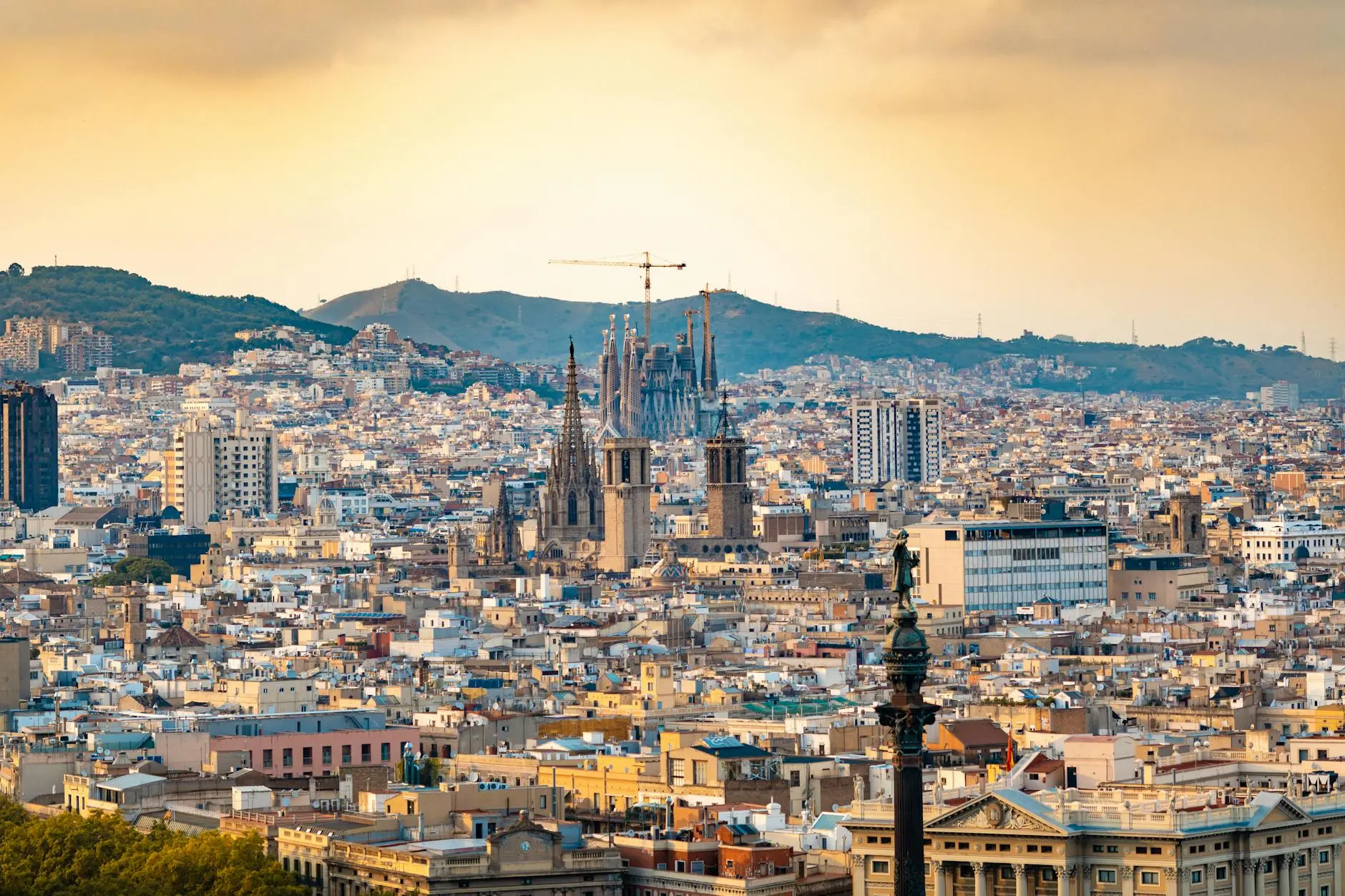
The basilica’s spires are another key symbol, each dedicated to a figure in Christian theology. The tallest spire, representing Jesus Christ, will rise to 172.5 meters, making it the highest structure in Barcelona. Surrounding spires honor the Virgin Mary, the Four Evangelists, and the Twelve Apostles. The varying heights of these spires create a harmonious skyline that mirrors the celestial hierarchy, with Christ at its pinnacle. Gaudí intended the basilica to reach toward the heavens, connecting humanity with the divine.
The Interior: A Forest of Worship
Stepping inside the Sagrada Familia is like entering a sacred forest. Gaudí designed the basilica’s columns to resemble trees, with branches that spread out to support the ceiling. This naturalistic design symbolizes the harmony between creation and Creator, drawing worshippers into a space that feels alive and transcendent. The play of light through the vibrant stained-glass windows enhances this effect, filling the interior with a kaleidoscope of colors that shift throughout the day, symbolizing the passage of time and God’s omnipresence.
Mathematical Precision and Divine Order
GaudÃí believed that mathematics and geometry were reflections of divine order. This belief is evident in the basilica’s use of complex geometric shapes, such as hyperboloids, helicoids, and catenary arches. These forms not only ensure structural stability but also evoke a sense of perfection and eternity, reinforcing the spiritual themes of the basilica.
Biblical Inscriptions and Symbols
Throughout the basilica, inscriptions and carvings reference biblical verses and Christian doctrines. For example, the Nativity Façade features the phrase “Gloria in Excelsis Deo” (Glory to God in the highest), while the Passion Façade includes inscriptions from the Gospels. These elements invite visitors to reflect on their faith and deepen their understanding of Christian teachings.
The Basilica of the Sagrada Familia is a place where art, architecture, and spirituality converge. Through its intricate design and rich symbolism, it seeks to inspire awe, contemplation, and a connection to the divine, making it a unique monument of faith and creativity.
The Sagrada Familia’s Impact on Barcelona’s Identity and Tourism
The Basilica of the Sagrada Familia is not just an architectural marvel; it is a defining symbol of Barcelona. Its towering spires dominate the city’s skyline, serving as a beacon of cultural pride and spiritual devotion. Over the decades, this unfinished masterpiece has become a magnet for millions of visitors annually, significantly influencing the city’s identity and economy.
A Global Icon of Barcelona
Few landmarks are as synonymous with their cities as the Sagrada Familia is with Barcelona. Its unique design and monumental scale capture the imagination of locals and visitors alike. For the people of Barcelona, the basilica represents their rich artistic heritage and resilience. Antoni Gaudí’s vision has transcended generations, becoming a source of collective pride for Catalonia.
The basilica’s international fame has also elevated Barcelona’s status as a global cultural destination. Tourists from around the world flock to the city, often with the Sagrada Familia at the top of their itinerary. Its presence in guidebooks, postcards, and social media reinforces its iconic image, making it a centerpiece of Barcelona’s identity.
Economic Impact Through Tourism
The Sagrada Familia is one of the most visited monuments in Spain, drawing over 4.5 million visitors annually. Ticket sales alone generate substantial revenue, which is reinvested into the basilica’s construction and preservation. In addition to direct revenue, the influx of tourists benefits the broader economy, supporting local businesses such as hotels, restaurants, and souvenir shops.
The basilica’s economic impact extends beyond its immediate vicinity. It contributes to Barcelona’s branding as a city of culture, art, and innovation, attracting additional investment and international events. This reputation enhances the city’s competitiveness in the global tourism market, making it a preferred destination for millions each year.
Cultural Significance and Community Engagement
While the Sagrada Familia draws global attention, it remains deeply rooted in local culture. For many residents of Barcelona, the basilica is more than a tourist attraction; it is a sacred space and a symbol of their identity. Religious events, such as Christmas Mass and Easter celebrations, bring the community together within its awe-inspiring interior.
The ongoing construction of the basilica also provides opportunities for community involvement. Locals and international supporters contribute through donations, volunteering, and participating in events that celebrate Gaudí’s legacy. This engagement fosters a sense of ownership and connection to the basilica, ensuring that it remains a cherished part of Barcelona’s cultural fabric.
Challenges of Tourism Management
The popularity of the Sagrada Familia is not without challenges. The sheer volume of visitors can strain the surrounding neighborhood, leading to issues such as overcrowding, traffic congestion, and rising living costs. Efforts to manage tourism sustainably are crucial to preserving the balance between the basilica’s role as a spiritual site and its status as a global attraction.
To address these challenges, measures such as timed entry tickets, enhanced public transportation, and community-focused initiatives have been implemented. These strategies aim to minimize the impact on residents while ensuring a positive experience for visitors.
The Sagrada Familia’s influence on Barcelona is profound and multifaceted. It is a source of inspiration, a driver of economic growth, and a cornerstone of the city’s identity. As construction nears completion, its legacy will only grow, continuing to shape Barcelona for generations to come.
UNESCO World Heritage and International Recognition
The Basilica of the Sagrada Familia is not only a marvel of architectural innovation but also a symbol of global cultural heritage. Recognized as a UNESCO World Heritage Site in 2005, this designation highlights the basilica’s significance as an artistic and spiritual landmark. The recognition has bolstered its status as a treasure of humanity, celebrated for its uniqueness and universal appeal.
UNESCO World Heritage Designation
UNESCO’s recognition of the Sagrada Familia is specifically tied to Antoni Gaudí’s contribution to the structure. In fact, the basilica forms part of a collective designation titled “Works of Antoni GaudÃ,†which includes other masterpieces such as Park Güell, Casa Batlló, and Casa Milà . This distinction emphasizes Gaudí’s role in shaping modernist architecture and his unparalleled vision that seamlessly blends art, nature, and spirituality.
The designation focuses on the Nativity Façade and the crypt, which were completed during Gaudí’s lifetime. These elements exemplify the architect’s ability to innovate within the Gothic tradition while introducing revolutionary design principles. UNESCO highlighted Gaudí’s unique architectural language and his profound influence on subsequent generations of architects.
A Global Symbol of Creativity and Faith
As a UNESCO World Heritage Site, the Sagrada Familia transcends its origins as a local church to become a universal symbol of human creativity and faith. Millions of people from diverse cultural and religious backgrounds visit the basilica each year, drawn by its architectural brilliance and spiritual depth. The basilica’s ability to resonate with audiences worldwide underscores its universal appeal, bridging cultural divides through the language of art.
Gaudí’s integration of natural forms and religious symbolism has inspired architects, artists, and scholars globally. His innovative use of geometry, light, and organic structures continues to be studied in architectural schools, ensuring that the lessons of the Sagrada Familia are passed on to future generations.
Challenges of World Heritage Status
While UNESCO recognition has elevated the Sagrada Familia’s profile, it also brings responsibilities and challenges. The designation comes with an obligation to preserve the integrity and authenticity of the site. For a project that is still under construction, maintaining this balance is particularly complex.
Controversies have arisen over the use of modern construction techniques and materials, which some critics argue deviate from Gaudí’s original vision. However, proponents highlight that technological advancements are necessary to complete the basilica efficiently while staying true to Gaudí’s intent. The ongoing dialogue around these issues reflects the broader challenge of preserving heritage in a contemporary context.
International Recognition and Awards
Beyond UNESCO, the Sagrada Familia has received numerous accolades, cementing its status as one of the world’s greatest architectural achievements. It has been featured in countless documentaries, academic studies, and art exhibitions, further solidifying its legacy.
In 2010, Pope Benedict XVI consecrated the basilica, elevating it to the status of a minor basilica. This religious recognition underscores its importance not only as a cultural monument but also as a place of worship. The event was a moment of pride for Barcelona and a reminder of the basilica’s dual identity as a spiritual and artistic landmark.
The Sagrada Familia’s designation as a UNESCO World Heritage Site and its global recognition underscore its extraordinary value to humanity. It stands as a testament to the power of creativity, perseverance, and faith, inspiring countless individuals and communities around the world.
Future Plans and the Path to Completion
The Basilica of the Sagrada Familia is often referred to as the “unfinished masterpiece,†with its completion being one of the most anticipated milestones in architectural history. As construction progresses, the basilica continues to balance the challenge of honoring Antoni Gaudí’s vision with the realities of modern building practices. The path to its eventual completion is both a technical endeavor and a testament to perseverance.
Projected Timeline for Completion
Initially, the basilica was expected to be completed in 2026, coinciding with the centenary of Gaudí’s death. However, delays caused by the COVID-19 pandemic, which disrupted funding and construction schedules, have pushed the timeline further. While a new completion date has not been definitively set, work remains focused on finishing the remaining spires and other key architectural elements.
The completion of the central spire dedicated to Jesus Christ, projected to stand 172.5 meters tall, is a particularly significant milestone. Once finished, it will make the Sagrada Familia the tallest religious building in Europe. Alongside this, the spire of the Virgin Mary, completed in 2021, serves as a beacon of hope and progress, lit nightly to symbolize the basilica’s enduring spirit.
Technological Advancements in Construction
Modern technology has played a critical role in advancing the construction of the Sagrada Familia. Tools such as computer-aided design (CAD), 3D printing, and advanced modeling software have enabled architects and engineers to interpret and implement GaudÃ’s intricate designs with unprecedented precision. These innovations have also expedited the production of complex elements, such as the detailed sculptures and geometric shapes that define the basilica’s aesthetic.
Prefabrication techniques are another significant development, allowing components to be constructed off-site and assembled on location. This method not only increases efficiency but also reduces disruption to the surrounding neighborhood, ensuring that the basilica’s progress aligns with contemporary urban needs.
Challenges and Debates
Despite technological advancements, completing the Sagrada Familia is not without challenges. Critics argue that modern additions may diverge from GaudÃ’s original intent, raising questions about authenticity. Architects and historians involved in the project emphasize their commitment to staying faithful to GaudÃ’s vision, relying on surviving models, sketches, and notes to guide their work.
Additionally, the integration of new construction with existing elements poses technical difficulties. The seamless blending of materials, structural components, and artistic details requires meticulous planning and execution. Funding remains another consideration, as the basilica continues to rely on private donations and revenue from visitors to finance its construction.
The Vision for the Completed Basilica
Once finished, the Sagrada Familia will feature a total of 18 spires, each symbolizing a different figure in Christian theology, along with three grand façades depicting the Nativity, Passion, and Glory of Christ. The completed structure will also include additional chapels, galleries, and a grand central nave, all designed to accommodate both worshippers and visitors.
Gaudí envisioned the Sagrada Familia as a place where architecture, nature, and spirituality converge, offering a space for reflection and inspiration. The final design will fulfill this vision, creating a sanctuary that not only honors God but also celebrates the ingenuity of human creativity.
A Legacy for Future Generations
As the basilica moves closer to completion, its significance extends beyond its architectural and spiritual dimensions. The Sagrada Familia stands as a symbol of resilience, reflecting over a century of dedication by countless individuals who have contributed to its creation. For future generations, it will serve as both a historical monument and a living testament to the enduring power of faith, art, and collaboration.
The journey to completing the Sagrada Familia is a story of determination and vision. When the final stone is set, it will not only mark the end of a monumental project but also the continuation of its legacy as one of the greatest architectural achievements in human history.
Conclusion
The Basilica of the Sagrada Familia is a monument that transcends time, culture, and religion. From its inception under Antoni Gaudí’s visionary leadership to its status as a global icon, the basilica represents the intersection of creativity, spirituality, and perseverance. Each element of its design tells a story, from the intricate symbolism embedded in its façades to the towering spires that reach toward the heavens.
Over the course of more than 140 years, the Sagrada Familia has become a cornerstone of Barcelona’s identity, drawing millions of visitors annually and contributing significantly to the city’s cultural and economic landscape. Its recognition as a UNESCO World Heritage Site underscores its universal value, while ongoing construction reflects a commitment to preserving Gaudís legacy.
As the basilica nears completion, it remains a powerful symbol of human ambition and faith. It is not just a place of worship but a masterpiece that invites awe, contemplation, and connection. The Sagrada Familia stands as a reminder that some of the most remarkable achievements in history are those built on patience, collaboration, and a shared vision for the future.
When its final stone is placed, the Sagrada Familia will not only fulfill Gaudí’s dream but also continue to inspire generations as an enduring testament to the boundless possibilities of human creativity and devotion.




[…] and Catalan culture, presents a visual feast for onlookers. Among his most celebrated works is the Sagrada FamÃlia, an extraordinary basilica that has been under construction since 1882. Its towering spires and […]