Tag: XV century
-
The History of Vasco da Gama: Portugal’s greatest Navigator
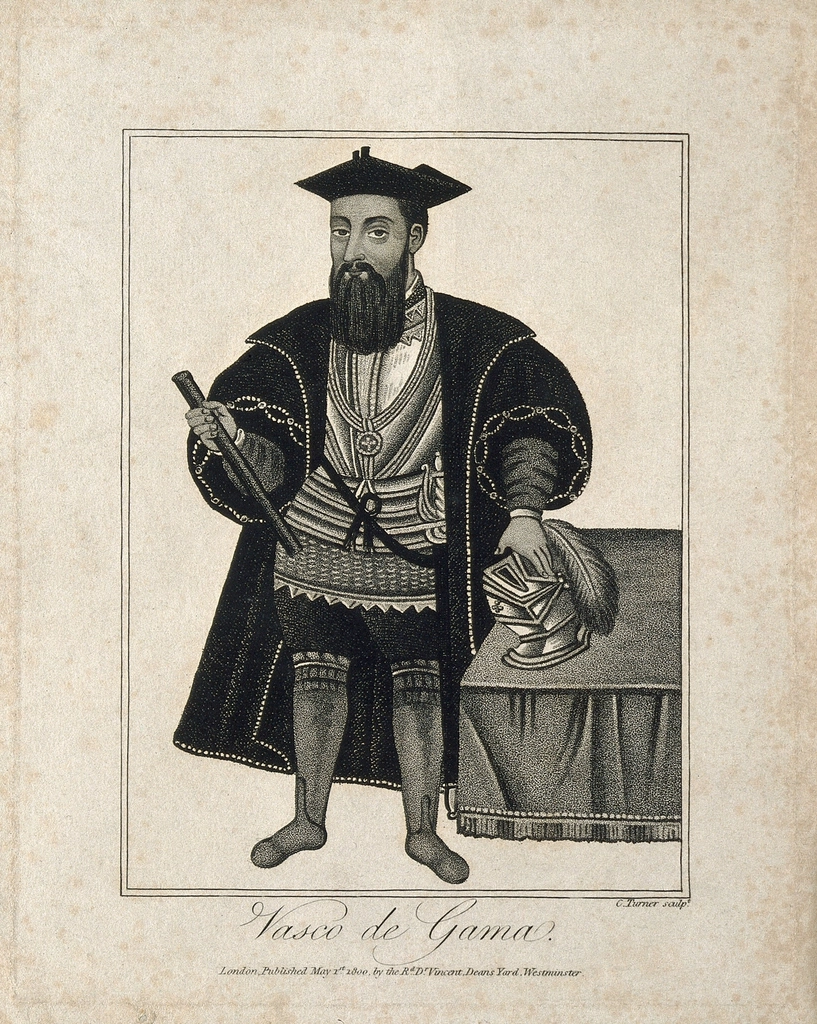
Vasco da Gama, born in Sines, Portugal, in 1460, is celebrated as one of history’s most accomplished explorers. He was the first to chart a direct sea route from Europe to India, fulfilling a vital goal for the Portuguese crown and setting the stage for an era of global trade and European colonialism. His voyages not only unlocked the riches of the East for Europe but also established Portugal as a dominant force in global maritime trade. This article traces Vasco da Gama’s life, his groundbreaking achievements, and his enduring legacy in world history.
-
The amazing Turin, Italy: A Historical and Economic Journey (2025 update)

Turin, the capital of the Piedmont region in northern Italy, is a city steeped in history, culture, and economic significance. Often overshadowed by Italy’s more famous tourist destinations such as Rome, Florence, and Venice, Turin offers its own unique charm with a blend of historical grandeur, industrial prowess, and cultural richness. The city has been at the forefront of Italy’s economic and political transformations, serving as a capital city during critical moments in the country’s unification and industrialization.
-
The great history of the Colosseum: Architecture, Construction and its impact in Rome

The article explores the history of the Colosseum construction, and significance within Roman society. Built under Emperor Vespasian and completed under Titus, the Colosseum symbolizes Roman engineering prowess and reflects the social hierarchy of the era. It served as a venue for gladiatorial games, animal hunts, and public spectacles, illustrating the emperors’ power and the culture of entertainment in ancient Rome. The structure faced decline after the 4th century due to changing social attitudes and natural disasters but was later recognized as a sacred site. Today, the Colosseum stands as a historical monument, representing the Roman Empire’s legacy.
-
The Enduring Value of Gold: A Historical Overview (2025 update)

Gold, one of the Earth’s most ancient treasures, has held an unparalleled place in human civilization for millennia. Across cultures and eras, gold has been coveted not just for its physical beauty but for the value and security it symbolizes. Its universal acceptance as a symbol of wealth and a medium of exchange has driven exploration, wars, and economic strategies, establishing it as one of the most reliable stores of value known to humankind. Despite modern financial systems built on fiat currency and digital assets, gold’s intrinsic value has withstood the test of time. In this article, we will explore…
-
Gucci History: From Humble Beginnings to Fashion Empire
The Gucci history started in 1921 in Florence, Italy and brings us to a journey of transformation from a small leather goods store into a prestigious global fashion brand synonymous with luxury and craftsmanship. Inspired by Guccio’s exposure to English nobility, Gucci initially focused on high-quality luggage and equestrian items. The brand expanded significantly in the 1930s and introduced iconic designs, including the Bamboo Bag during WWII. The post-war boom further elevated its status, attracting Hollywood stars. However, family conflicts in the 1980s threatened its standing. A revival under designer Tom Ford in the 1990s propelled Gucci back to prominence,…
-
The Tower Bridge: A Marvel of Victorian Engineering and Architecture (2025 update)
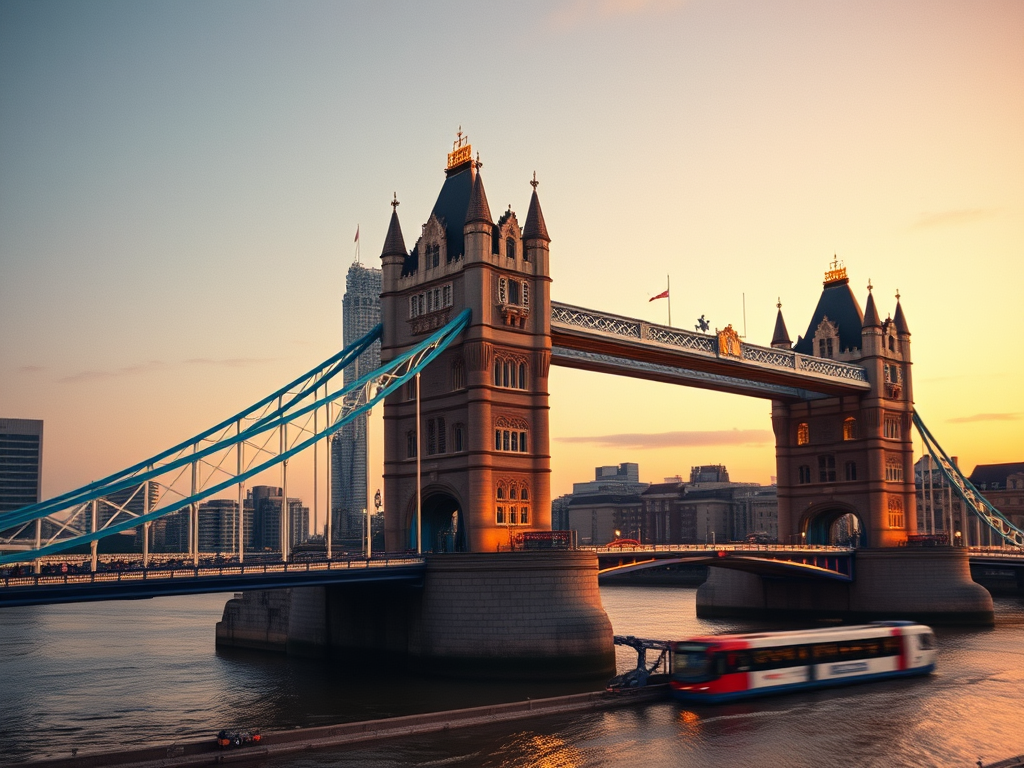
The Tower Bridge is one of the most iconic landmarks in London, instantly recognizable by its twin Gothic towers and bascules that open to allow ships to pass through. Since its completion in 1894, the bridge has stood as a symbol of British innovation, merging architectural beauty with cutting-edge engineering. Its unique combination of function and form has made it a global icon of London and a testament to Victorian ingenuity.
-
The Arrival of the Portuguese in India: A New Era of Commerce, Conflict, and Cultural Exchange (2025 update)

The arrival of the Portuguese in India at the dawn of the 16th century was a transformative moment in global history. This event not only reshaped the political and economic landscape of the Indian subcontinent but also marked the beginning of an era of European maritime dominance in the Indian Ocean. Led by Vasco da Gama in 1498, the Portuguese were the first Europeans to successfully navigate the treacherous waters around the southern tip of Africa and establish a direct sea route to India. This monumental achievement set the stage for centuries of European involvement in Indian trade, politics, and…
-
Vasco da Gama’s First Voyage to India: An amazing Journey that Changed the World

Vasco da Gama’s first voyage to India (1497-1499) was a landmark in global exploration, commissioned by King Manuel I of Portugal to establish a direct sea route to India, bypassing traditional overland trade routes. Setting sail with four ships, Gama faced numerous challenges, including unpredictable weather and political complexities, before successfully reaching Calicut in May 1498. This journey opened new trading opportunities for Portugal, leading to its dominance in the spice trade and a significant cultural exchange between Europe and India. While Gama’s expedition enriched Portugal, it also initiated conflicts and imperialistic endeavors that would alter local societies forever.