Tag: Tourism
-
Exploring Culinary Tourism 2025: Taste, Culture and Community

Culinary tourism increasingly emphasizes food as a pivotal part of travel. It involves engaging with local cultures through authentic culinary experiences, such as cooking classes, food tours, and festivals. This tourism promotes local economic growth by creating jobs and supporting agriculture while fostering a deeper appreciation of diverse cuisines. It also plays a crucial role in cultural preservation and identity, as local food reflects historical traditions and social practices. Sustainability is becoming central, encouraging responsible sourcing and reducing waste. Ultimately, culinary tourism connects travelers with authentic experiences, enriching their journey and ensuring culinary heritage thrives for future generations.
-
Blood Falls: Unraveling Antarctica’s Mystical Red Waterfall 2025

In Antarctica, Blood Falls, a striking crimson waterfall flowing from the Taylor Glacier into Lake Bonney, has fascinated scientists and explorers for over a century. Initially attributed to red algae, its vivid coloring is now understood to arise from iron oxide in ancient subglacial lakes. Griffith Taylor documented this phenomenon during the British Antarctic Expedition in 1911, sparking curiosity about its geological and biological significance. The unique conditions of Taylor Valley promote extremophiles, providing insights into climate history and potential extraterrestrial life. As climate change impacts this delicate ecosystem, ongoing research highlights the critical need for conservation and understanding environmental…
-
Transforming Travel: The Role of AI in Smart Tourism 2025

Artificial Intelligence (AI) is transforming the travel industry, enhancing efficiency, personalization, and sustainability. From AI-driven trip planning that generates tailored itineraries, to smart assistants and chatbots providing 24/7 customer service, AI is streamlining travel experiences. Transportation benefits from predictive analytics optimizing flight routes, passenger flow, and ride-sharing services. AI’s role in security includes facial recognition technology, improving safety and efficiency at airports. Furthermore, AI encourages sustainable tourism by optimizing energy use and minimizing environmental impacts. As AI continues to evolve, it promises an even more efficient, personalized, and eco-friendly travel experience while addressing critical concerns such as data privacy.
-
Phong Nha-Kẻ Bà ng: Discover Vietnam’s Hidden Gem in 2025

Phong Nha-Kẻ Bà ng National Park in Vietnam is a UNESCO World Heritage Site celebrated for its stunning karst landscapes and extensive cave systems, including the world’s largest cave, Son Doong. This park, covering over 1,200 square kilometers, is not only a geological marvel but also a biodiversity hotspot, home to numerous rare species. Visitors can explore various caves like Paradise Cave and Dark Cave, each offering unique experiences. As tourism increases, sustainable practices and conservation efforts are vital to protect its delicate ecosystems. The park embodies the balance between adventure, ecological significance, and the need for responsible tourism.
-
Iceland Geothermal Spas in 2025: Wellness & Relaxation

Iceland is famous for its stunning landscapes and geothermal spas, such as the Blue Lagoon, known for its mineral-rich waters that offer relaxation and health benefits. These spas feature unique properties from silica, sulfur, and magnesium, improving skin health and aiding muscle relaxation. Apart from the Blue Lagoon, hidden gems like Mývatn Nature Baths and the Secret Lagoon provide serene experiences away from crowds. To fully enjoy these geothermal wonders, planning is essential, considering peak times, essential gear, and transportation. Emphasizing sustainable tourism practices, visitors can experience Iceland’s natural beauty while preserving its geothermal resources for future generations.
-
Guide to Sustainable Tourism 2025: Travel Responsibly

Sustainable tourism seeks to minimize environmental impact and enhance benefits for local communities as global tourism grows. It promotes responsible practices like choosing eco-friendly accommodations, supporting local businesses, and minimizing waste. Travelers are encouraged to engage with local cultures, prioritize conservation, and participate in ethical tourism practices. This approach aims to reduce carbon footprints by utilizing public transportation and reducing single-use plastics. Ethical wildlife tourism is highlighted, urging travelers to avoid exploitative activities. Ultimately, sustainable tourism calls for conscious choices that protect the planet and its cultural diversity for future generations, ensuring that travel remains a positive experience for all.
-
Tenerife Travel Guide 2025: Nature, Culture and Cuisine

Tenerife, the largest of the Canary Islands, is a year-round destination known for its diverse natural beauty, rich history, and vibrant culture. The island features stunning landscapes, including Mount Teide, beautiful beaches, and lush forests, ideal for outdoor enthusiasts. Visitors can explore historical towns like San Cristóbal de La Laguna, witness the unique Pyramids of GüÃmar, and enjoy the world’s second-largest carnival. Adventurers have access to hiking, whale watching, and water sports. Tenerife’s gastronomy reflects a blend of influences, with seafood and traditional dishes like papas arrugadas. Through careful planning, travelers can enjoy an affordable and memorable experience.
-
Affordable Travel 2025: Top Hacks for Budget-Friendly Adventures

Traveling the world doesn’t have to be costly. With careful planning and the right strategies, you can explore new cultures and destinations economically. Essential tactics include booking flights in advance, using fare comparison websites, and being flexible with travel dates. For accommodations, options like hostels, Airbnb, house-sitting, and camping can save money. Emphasizing free and low-cost attractions, travelers should seek out discounted museums, parks, and free walking tours. Eating at local spots and using public transport further reduces expenses. By employing various travel hacks, such as off-season travel and utilizing rewards programs, anyone can enjoy enriching travel experiences on a…
-
The History of the Eiffel Tower: an Engineering and Cultural Landmark
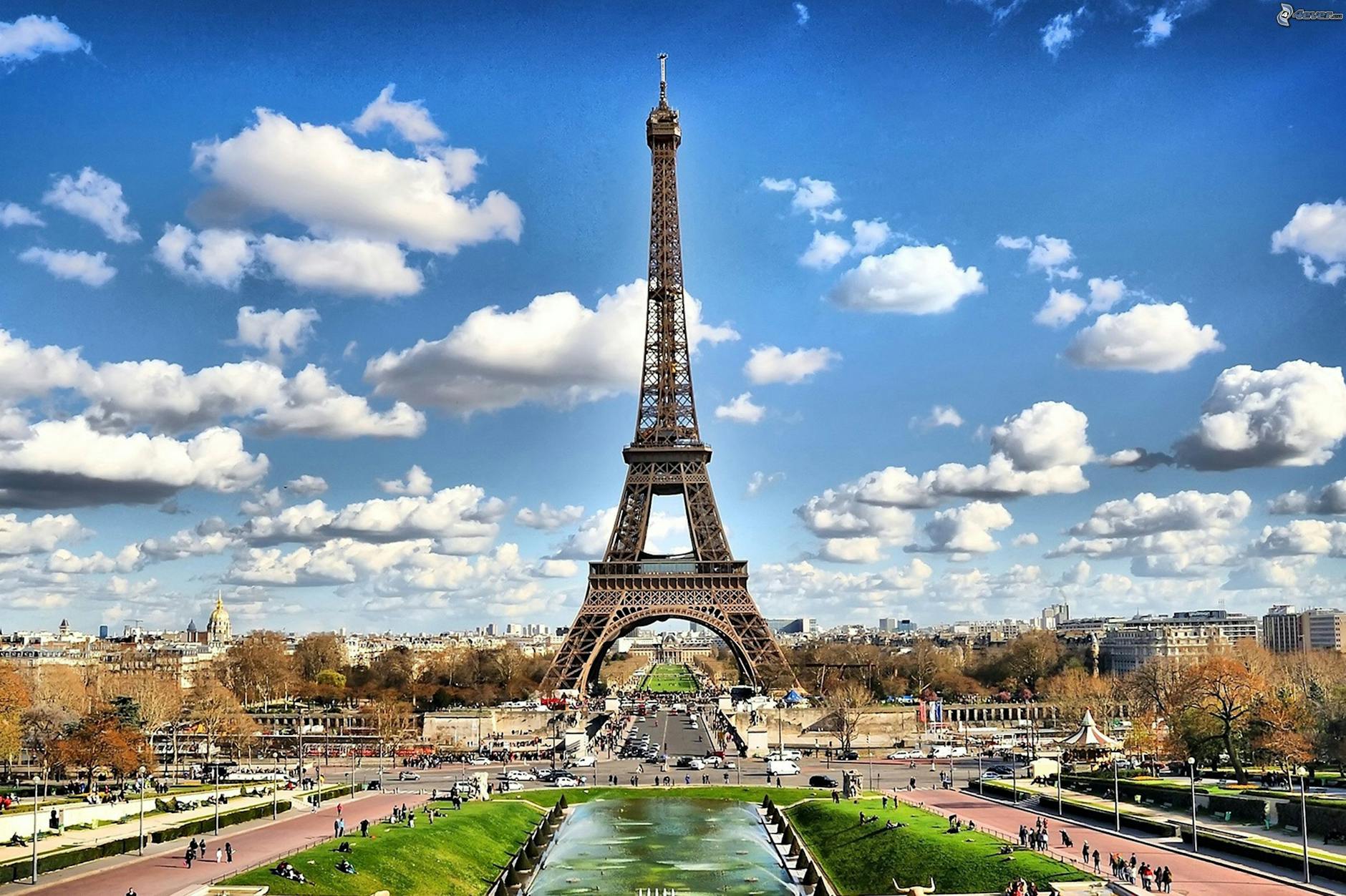
The Eiffel Tower, completed in 1889 for the Exposition Universelle, stands as a symbol of innovation and French culture. Despite initial skepticism, it became iconic, showcasing outstanding architectural design by Gustave Eiffel, featuring a lattice structure and three distinct levels. The tower’s cultural significance is profound, symbolizing romance and inspiring countless works of art. Ongoing renovations ensure its preservation against rust and enhance visitor experiences, reflecting a blend of historical integrity and modern sustainability efforts. With over 7 million visitors yearly, the Eiffel Tower remains a testament to human creativity, resilience, and a universal symbol of joy and inspiration.
-
The history of Verona: A City of marvelous Culture and Resilience
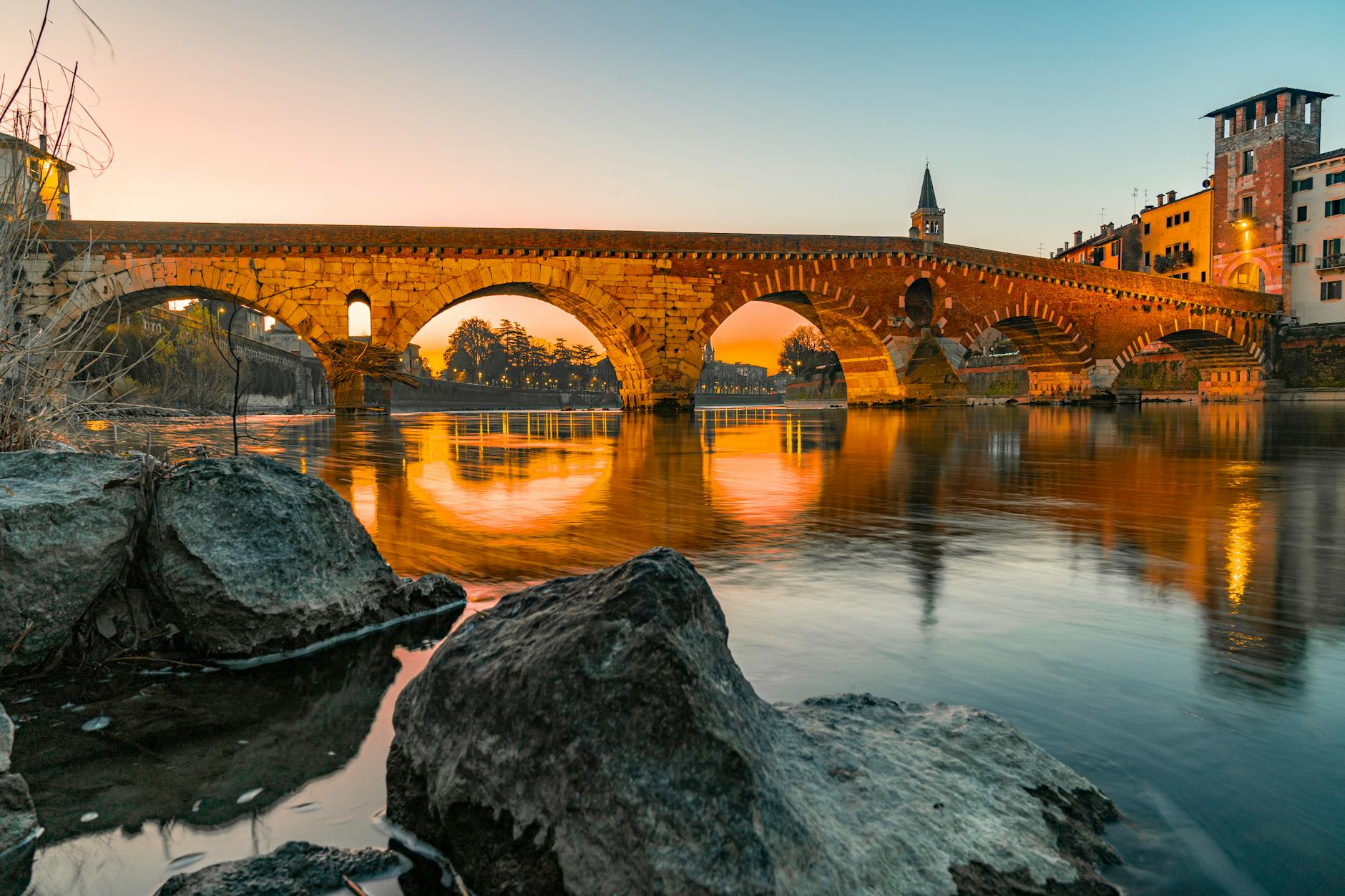
Verona, a historic city in northern Italy, is renowned as the backdrop for Shakespeare’s “Romeo and Juliet” and boasts a rich tapestry of architectural, artistic, and cultural significance. Originating as a Roman stronghold, its development continued through the Middle Ages with the rise of the Scaliger family and the Venetian Republic’s influence, culminating in a vibrant Renaissance culture. The city faced challenges under Napoleonic and Austrian rule, but its identity persisted. After World War II, Verona restored many landmarks and modernized its economy. Today, it thrives as a center for tourism, wine production, education, and cultural events, showcasing its timeless…
-
Top Attractions in Florence: A Guide to Renaissance Wonders

Florence, the heart of Tuscany, is a city steeped in history and known as the cradle of the Renaissance. Established as a Roman colony, it thrived through medieval times, becoming a powerful commercial hub. The Medici family played a crucial role in its cultural and artistic rise, nurturing prominent figures like Michelangelo and Botticelli. Key landmarks include the Cathedral of Santa Maria del Fiore and the Uffizi Gallery, housing masterpieces that celebrate the city’s artistic legacy. Today, Florence harmonizes its historical significance with modern vibrancy, showcasing a blend of traditional cuisine, contemporary fashion, and a dynamic creative community, making it…
-
How InterContinental Hotels shaped the history of hospitality

The InterContinental Hotels brand, established in 1946 by aviation leader Juan Trippe, has significantly shaped the luxury hospitality industry. Originally created to address the demand for high-quality accommodations for international travelers post-World War II, the brand expanded worldwide, influencing hospitality standards with its emphasis on local culture and global luxury. Iconic properties such as the InterContinental Hong Kong and Paris Le Grand reflect the brand’s commitment to excellence and cultural integration. InterContinental also plays a crucial role in fostering tourism development and hosting global events. Going forward, it prioritizes personalization, sustainability, and digital innovation, ensuring its legacy endures.
-
The Rich History of Vatican City and Its Landmarks

Vatican City, the smallest independent state, serves as the spiritual heart of Catholicism and is rich in history and art. Originating from the martyrdom of St. Peter, it transformed from a religious site to the center of papal authority. Key landmarks include St. Peter’s Basilica, the Sistine Chapel, and the Vatican Museums, showcasing masterpieces that reflect the Catholic Church’s grandeur. The Lateran Treaty of 1929 established Vatican City as an independent state, reaffirming its global significance. Its artistic and historical treasures continue to inspire millions, highlighting the deep connections between faith, culture, and architectural beauty.
-
Notre Dame Cathedral: History, Fire, and Restoration
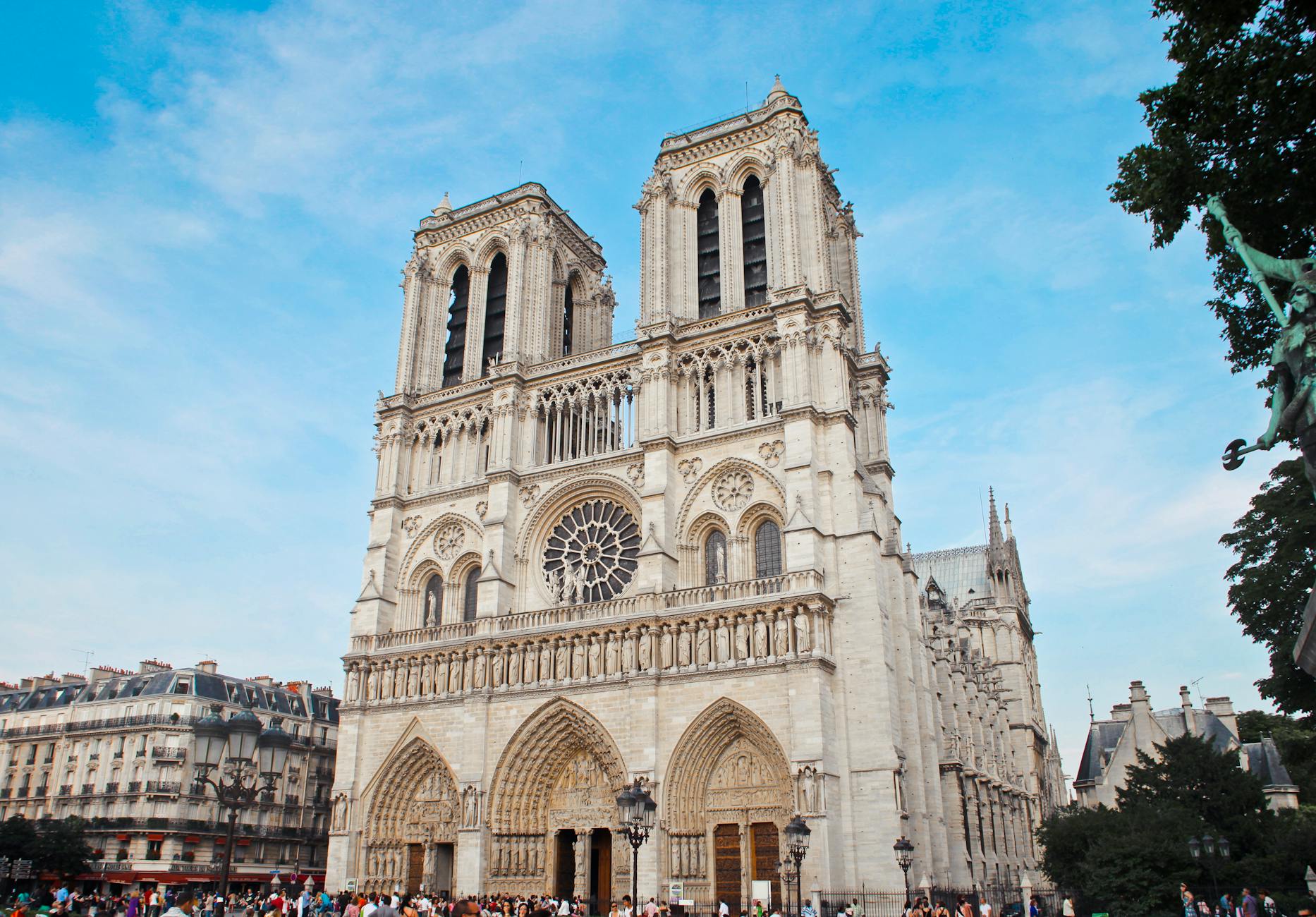
The Notre Dame Cathedral in Paris symbolizes faith, artistry, and resilience, having undergone nearly 200 years of construction and numerous historical events. From its beginnings in the 12th century, it evolved into a spiritual center and civic landmark, becoming integral to Parisian identity. The cathedral suffered significant damage during the French Revolution but was restored in the 19th century by Eugène Viollet-le-Duc. The tragic fire of April 2019 prompted a global response, highlighting the need for preservation. Ongoing restoration efforts aim to revive Notre Dame while blending traditional craftsmanship with modern technology, ensuring its legacy endures for future generations.
-
Exploring the Rich History of Rome: A ultimate guide
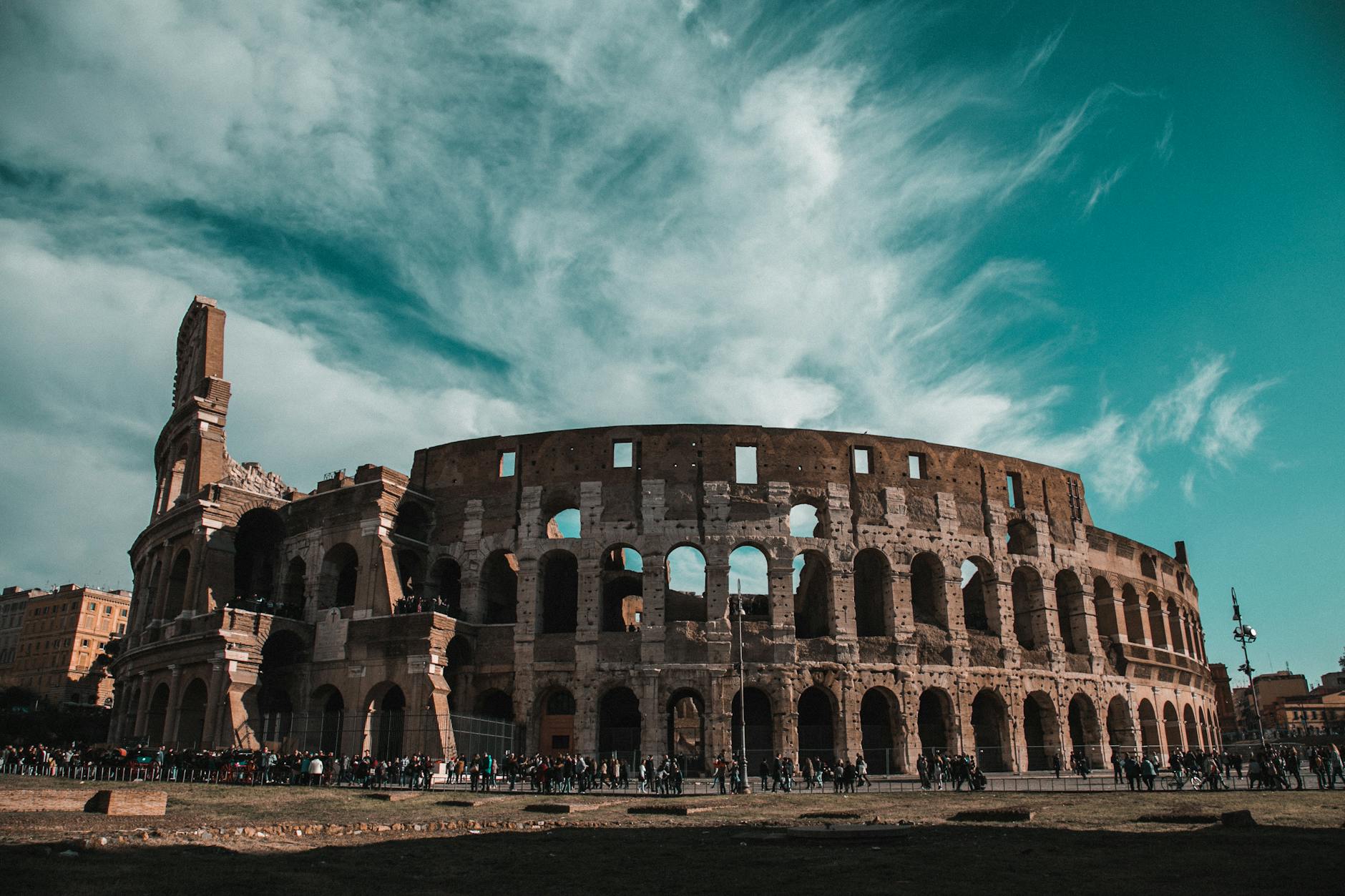
Rome, known as the “Eternal City,” is a symbol of human achievement and cultural significance, with a history spanning over 2,700 years. From its mythical founding by Romulus and Remus to its dominance as the center of a vast empire, the city evolved through various eras. The establishment of the Roman Republic in 509 BCE introduced shared governance, while the transition to the Roman Empire in 27 BCE ushered in political stability and cultural flourishing. However, challenges like economic instability and power struggles led to the fall of the Western Empire in 476 CE. Rome transformed into a spiritual capital…
-
Discover the history of the amazing Pantheon of Rome
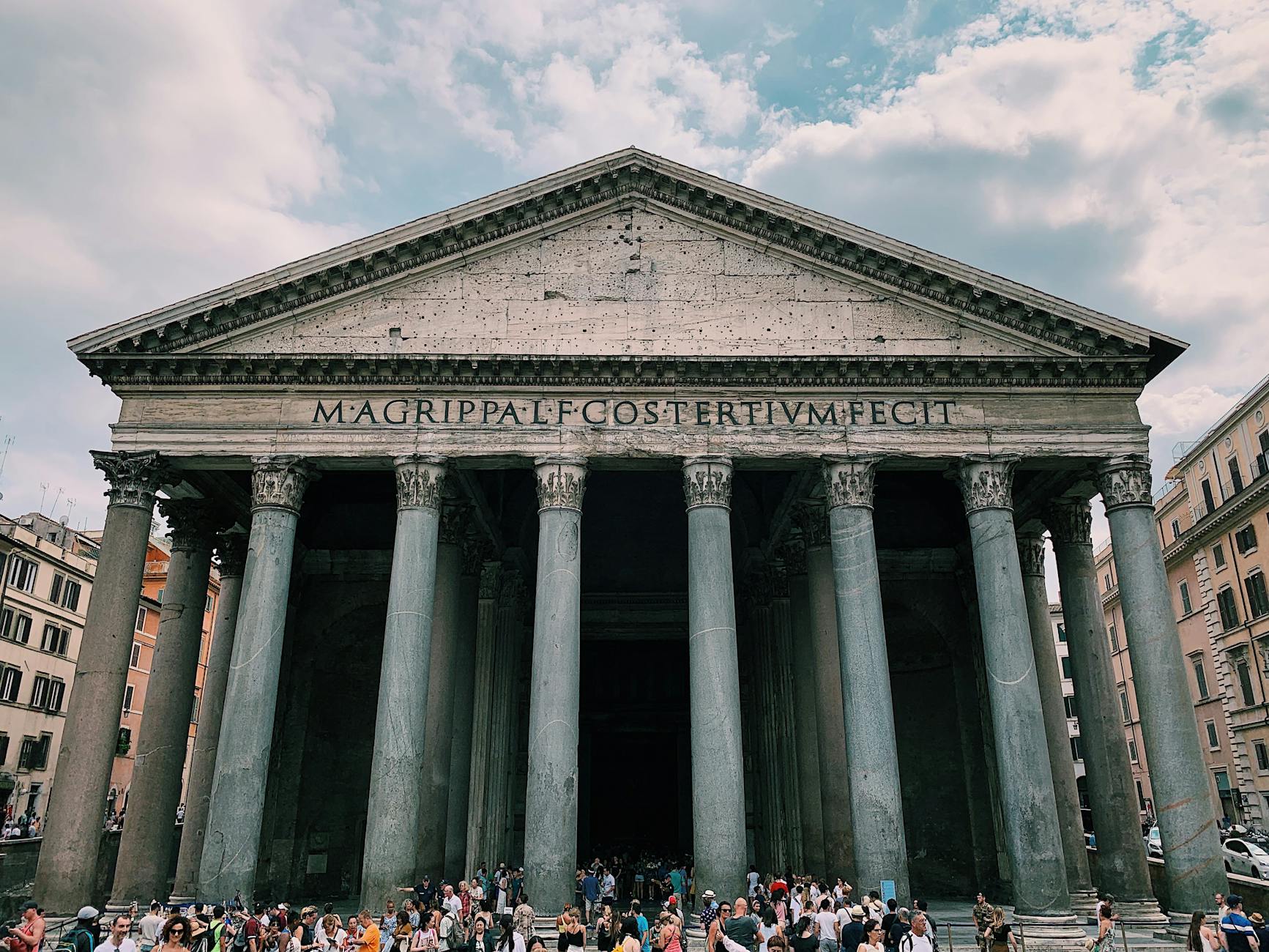
The Pantheon of Rome is a remarkable example of ancient architecture and engineering, originally built as a temple for all Roman gods during Emperor Hadrian’s reign in the early 2nd century CE. Its iconic dome, featuring a central oculus, symbolizes the universe and showcases innovative construction techniques with Roman concrete. Over time, the Pantheon transformed from a pagan temple into a Christian church in the 7th century, reflecting Rome’s evolving identity. Its architectural design has influenced numerous structures throughout history and continues to serve as a symbol of resilience and power. Modern preservation efforts ensure its legacy endures for future…
-
The History and Art of the marvelous Fontana di Trevi of Rome

The Fontana di Trevi, an iconic masterpiece of Baroque art, symbolizes Rome’s rich history and cultural significance. Originating from ancient Roman aqueducts, it evolved through Renaissance visions to become a grand structure designed by architect Nicola Salvi in the 18th century. The fountain features intricate sculptures embodying themes of mythology, human interaction with nature, and water’s transformative power. It has gained immense popularity through films and coin-tossing traditions, reinforcing its status as a cultural icon. Modern conservation efforts continue to preserve its integrity, ensuring the Trevi Fountain remains a timeless treasure that captivates millions of visitors annually.
-
Exploring the amazing Cathedral of Seville: History & Art
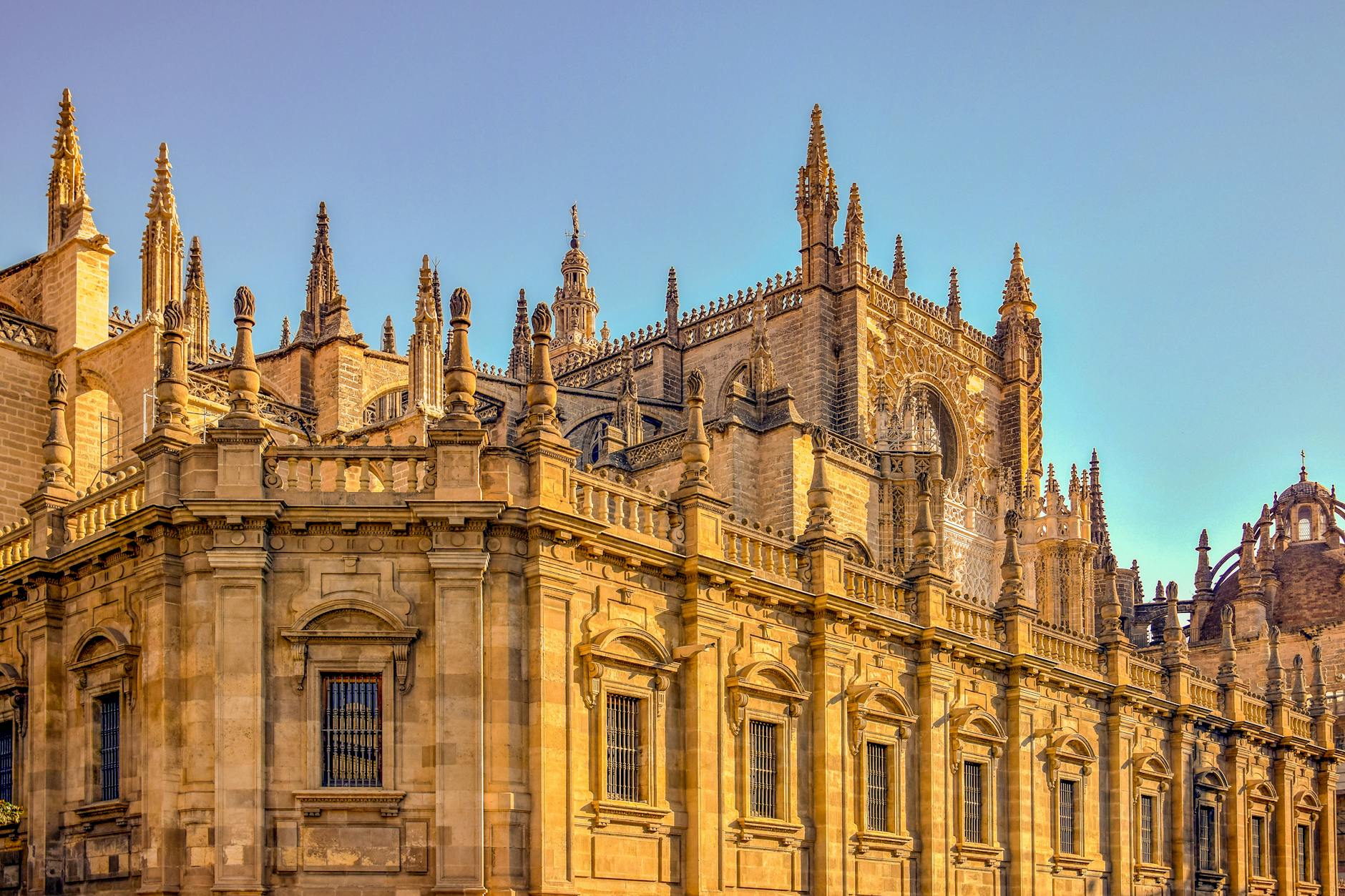
The Cathedral of Seville, a UNESCO World Heritage Site, epitomizes the fusion of Islamic, Christian, and secular influences in its Gothic and Renaissance architecture. Originally built as a mosque in 1198, it was transformed into a cathedral after Seville’s Reconquista in 1248. The construction commenced in 1401, aiming to surpass all other cathedrals. The Giralda tower, originally a minaret, showcases this cultural blend. Housing remarkable artistic treasures, including the largest altarpiece, the cathedral symbolizes Seville’s power and historical significance. Today, it faces preservation challenges due to environmental factors and tourism, yet remains a vital spiritual and cultural landmark.
-
Exploring the Uffizi Galleries: Art, History, and Renaissance Legacies

Introduction The Uffizi Galleries, located in Florence, are one of the world’s most renowned museums, housing an extensive collection of art from the Italian Renaissance and beyond. Originally conceived as administrative offices by Giorgio Vasari for Francesco I de’ Medici in the 16th century, the Uffizi evolved into a prominent public gallery showcasing the wealth and artistic legacy of the powerful Medici family. Over the centuries, it has become a symbol of Florence’s cultural heritage and a major destination for art lovers globally. The gallery’s collection boasts masterpieces by iconic artists like Leonardo da Vinci, Botticelli, Raphael, and Michelangelo. However,…
-
Puerta del Sol: The Amazing Heart of Madrid
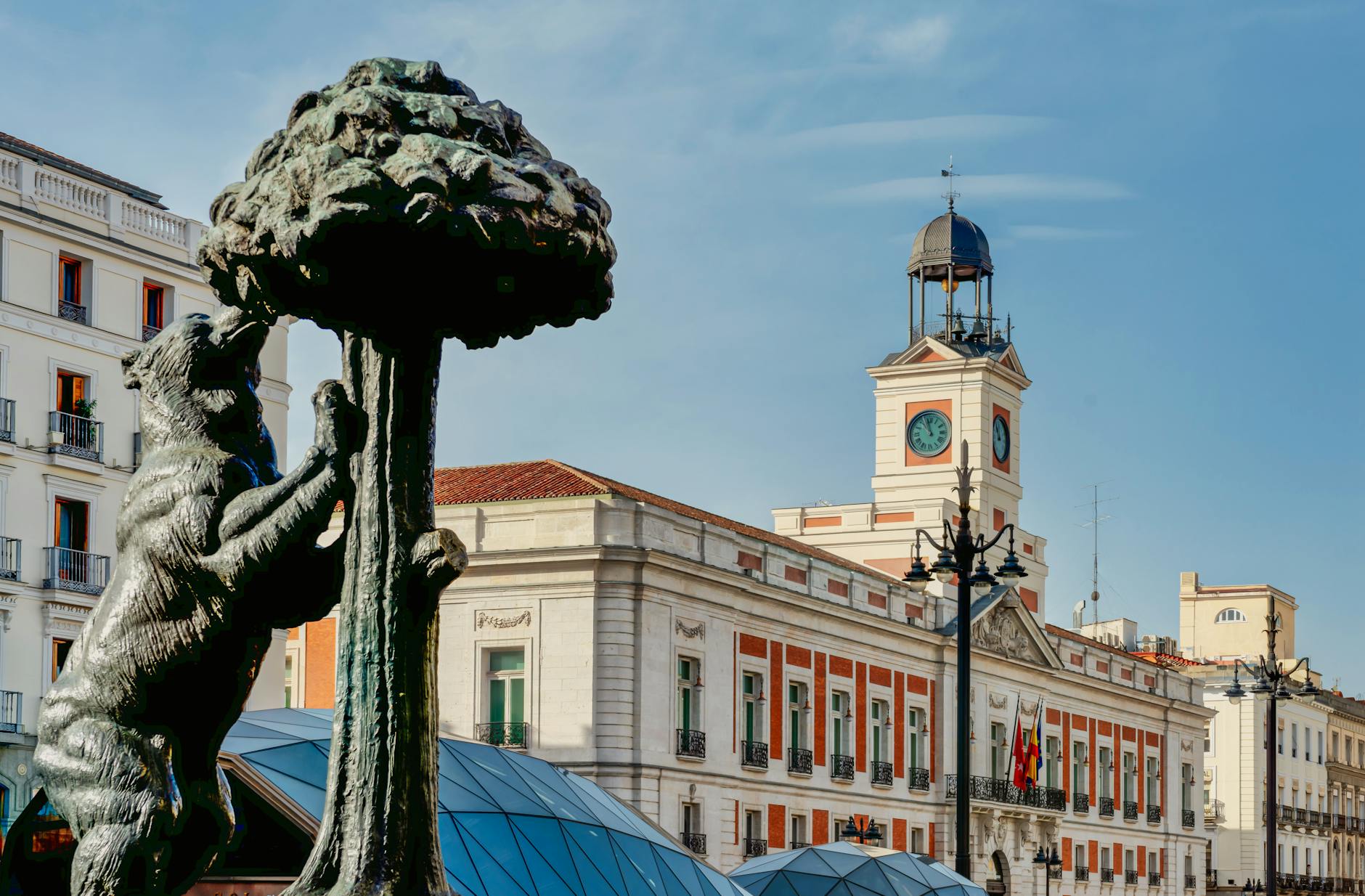
The Puerta del Sol is one of Madrid’s most iconic landmarks and a focal point of Spanish culture and history. Nestled in the heart of the capital, this vibrant square has evolved over centuries from a gateway in the city’s medieval walls to a bustling hub of activity. It serves as Spain’s Kilómetro Cero, the symbolic starting point of the country’s road network, and is steeped in historical significance as a witness to revolutions, political movements, and joyous celebrations.