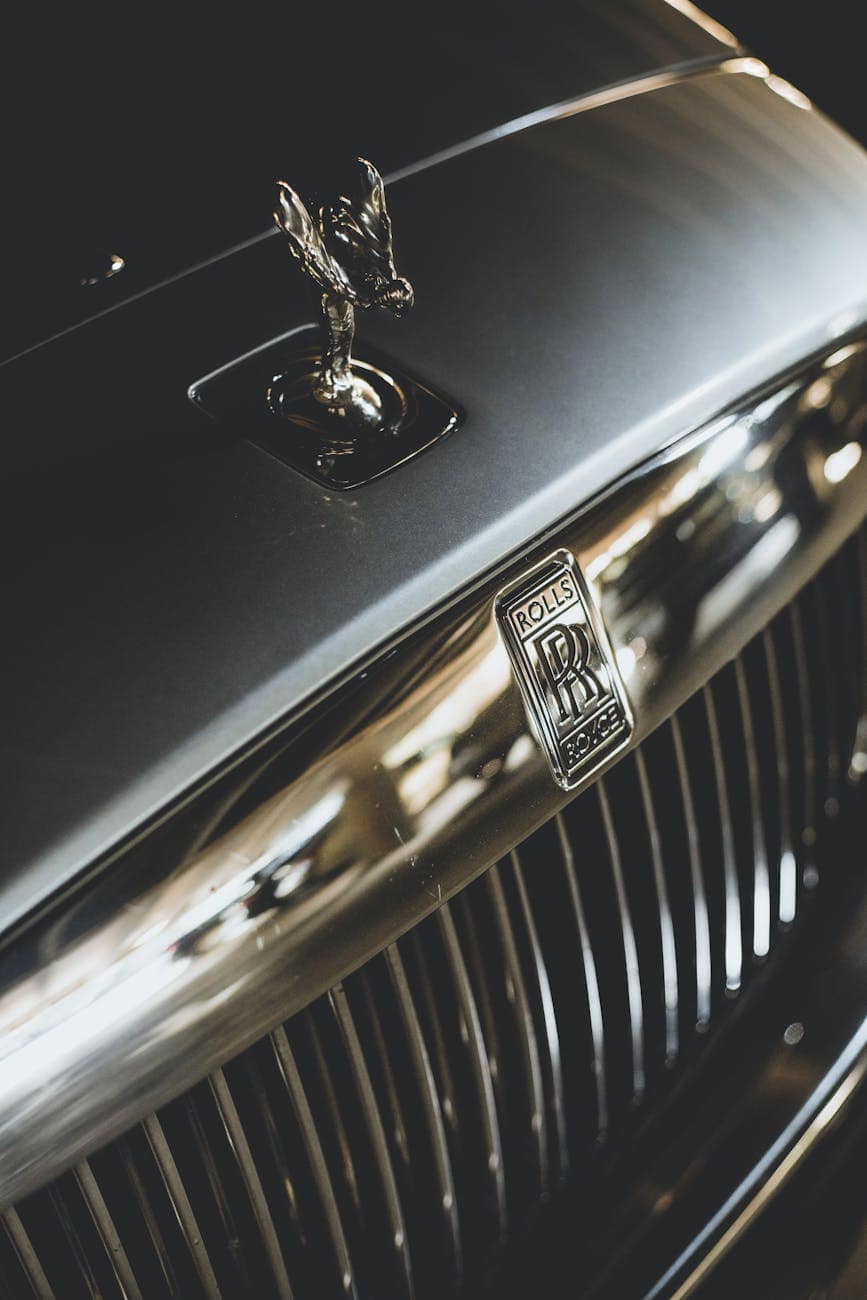
Introduction
The story of Rolls Royce is one that epitomizes luxury, engineering excellence, and a commitment to quality. Founded in the early 20th century, the company transformed the automotive landscape with its innovative engineering practices and a relentless pursuit of perfection. From its humble beginnings as an automobile manufacturer to becoming a symbol of status and sophistication, Rolls Royce has shown remarkable resilience and adaptability over the decades. The brand has expanded beyond cars into aviation and marine engineering, maintaining its core values of reliability and elegance. This article delves into the rich history of Rolls Royce, exploring its founding vision, engineering innovations, contributions during wartime, redefinition of luxury, and future prospects.
The Founding of Rolls Royce: Visionaries Behind the Brand
The inception of Rolls Royce in 1904 is intricately tied to the partnership between two extraordinary men: Charles Rolls and Henry Royce. Charles Rolls was born in 1877 into a wealthy family, which allowed him to pursue his interests in engineering and automobiles. After an education at Eton and Cambridge, he became fascinated with motor vehicles and founded one of Britain’s first car dealerships. Here, he recognized the need for reliable vehicles and the burgeoning allure of automobile ownership. Rolls sought out high-quality manufacturers to fulfill this demand.
On the other hand, Henry Royce was born in 1863 in a modest household in Alwalton, Cambridgeshire. With a natural talent for engineering, he became a successful electrical engineer and manufacturing entrepreneur. His experience in the industrial world instilled in him a strong work ethic and a commitment to perfection. Royce’s meticulous attention to detail and dedication to quality became his hallmark, shaping the ethos that would define Rolls Royce.
The paths of these two men crossed in 1904, when Rolls came across Royce’s first car, the Royce 10. Captivated by its design and impeccable engineering, Rolls immediately recognized the potential for a remarkable partnership. They agreed upon a collaboration, combining Rolls’ marketing acumen and luxury branding with Royce’s engineering prowess. The company was established under the name Rolls Royce, and they launched their first car, the 10 h.p., later that year. It quickly became renowned for its elegance, performance, and reliability.
As the company grew, it began to establish a reputation not only for its cars but for its unyielding commitment to quality. In 1906, Rolls Royce introduced the Silver Ghost, a car that would cement its place in history. The Silver Ghost was celebrated for its power and smooth performance, and it quickly garnered acclaim for its aesthetics and luxury features. The model whetted the appetite of wealthy buyers and positioned Rolls Royce as the definitive status symbol of the time.
Rolls and Royce were not just business partners; they built a profound friendship based on mutual respect. They both understood the importance of maintaining their company’s name and reputation, which would focus on craftsmanship, innovation, and customer satisfaction. However, as the years passed, they would face challenges that tested their collaboration and vision for the company.
Despite their successes, the partnership was marked by tensions. Rolls had a deep-seated belief in the potential of the automobile market, and he was keen on expanding the company’s reach, while Royce remained more focused on perfecting his engineering principles. Tragically, in 1910, Charles Rolls died in a plane crash, leaving Royce to carry on their vision. This loss could have spelled disaster for the company, but instead, it became an impetus for Royce to uphold their shared values.
After Rolls’ death, Royce continued to innovate and expand the brand. The company introduced several new models, including the Phantom, which set new standards for luxury and sophistication in automotive design. Royce also navigated the entrepreneurial landscape of the time with a vision that extended beyond the automobile, envisioning the potential of aviation and marine engineering that would later become integral to the company’s offerings.
Thus, the legacy of Rolls and Royce lives on through the brand’s dedication to excellence and its continuous evolution in the automotive industry. The founding of Rolls Royce is not just a tale of two men; it is a narrative that has set the tone for a century of innovation, luxury, and the relentless pursuit of automotive perfection.
The Evolution of Automobile Engineering: Innovations and Milestones
The history of Rolls Royce is replete with groundbreaking innovations that have left an indelible mark on the world of automobile engineering. As the company grew, it continually raised the bar on performance, comfort, and design, solidifying its reputation as a leader in luxury automotive technology. This section will explore how Rolls Royce evolved its engineering practices and introduced significant milestones that shaped the automotive industry.
From the outset, Rolls Royce was dedicated to producing cars that delivered superior performance. In 1907, the company made history by embarking on the famed 200-hour endurance trial at the Montlhéry track near Paris, testing the capabilities of the Silver Ghost. This rigorous event showcased the car’s reliability and helped to cement its place in the market. Rolls Royce adopted strict testing procedures that would remain a cornerstone of its engineering philosophy, with an emphasis on endurance, reliability, and safety.
The introduction of the alumino-silicate engine in the early 1920s marked another significant innovation. This lightweight yet durable material allowed for greater fuel efficiency and improved engine performance. Rolls Royce engineers applied their penchant for experimentation as they continually sought ways to enhance engine output while ensuring smooth drivability.
In the 1930s, Rolls Royce came into its own with the development of the Phantom III, which featured innovations such as a V12 engine and advanced suspension systems. This model was lauded for its refined ride quality and exhilarating performance. The V12 engine was a significant departure from previous designs, reflecting a commitment to pushing the limits of engineering paradigms.
The company also embraced aesthetic design as an integral part of the engineering process. Throughout the years, Rolls Royce collaborated with renowned coachbuilders like Mulliner and Park Ward to create bespoke bodies that married performance with luxury. Each vehicle became a work of art, with unique designs tailored to the tastes of their discerning clientele. This understanding of melding functionality with beauty would set the standard for other luxury automobile manufacturers.
In the post-World War II era, Rolls Royce faced challenges that complicitly accelerated innovation. The company adapted to a new market characterized by a growing middle class, leading to new design philosophies and assembly techniques. The introduction of the Silver Cloud in the 1950s exemplified this shift. It combined powerful performance with sumptuous luxury, detailing pure comfort. Engineers enhanced the braking system and embraced new materials that would further refine the driving experience.
The 1960s saw the introduction of the Rolls Royce Corniche, a car that would redefine luxury convertibles. With its elegant design and technological innovations, the Corniche appealed to a new generation of buyers who demanded both style and performance. This model integrated features like air conditioning, power windows, and high-fidelity sound systems, reflecting broader trends in consumer preferences.
Moving into the late 20th century, Rolls Royce continued to enhance its reputation for cutting-edge engineering with models like the Silver Seraph, which marked the return of the brand’s flagship sedan. This car utilized technology and design that aligned with modern sensibilities, while still honoring the brand’s storied history.
In summary, the engineering evolution of Rolls Royce hasn’t just been about producing cars; it represents a relentless pursuit of excellence and innovation. As technology advanced, the brand continually embraced and integrated new ideas while ensuring that craftsmanship and luxury remained at the forefront.
Rolls Royce in War: Contributions and Adaptations
When examining the history of Rolls Royce, it is essential to consider the role the company played during wartime, especially during World War I and World War II. This period not only challenged the company but also inspired remarkable contributions to its engineering prowess.
In the first World War, Rolls Royce transitioned from producing luxury automobiles to manufacturing aircraft engines, recognizing the urgent demand for reliable power in aviation. The company’s expertise in engineering excellent engines translated seamlessly to the aerospace industry. The Rolls Royce Eagle engine became a significant asset to military aviation, specifically noted for its use in the renowned Sopwith Camel and other aircraft. With its emphasis on reliability and power, the Eagle engine quickly became synonymous with the British war effort.
As World War I progressed, Rolls Royce developed additional aviation engines, showcasing their engineering capabilities. The company’s entry into aircraft manufacturing and engine production laid the groundwork for an enduring relationship with the military and the aviation sector. This shift not only diversified the company’s portfolio but also catalyzed further innovation in aerodynamics and performance.
The experience gained during World War I established a foundation that would be further tested during World War II. As global tensions mounted in the 1930s, Rolls Royce once again pivoted its focus toward aviation, developing some of the most iconic engines of the era. The Rolls Royce Merlin, perhaps the company’s most famous engine, powered legendary aircraft including the Spitfire and the Lancaster Bomber. Its introduction represented a pinnacle of engineering, providing the necessary thrust and reliability for British forces.
The Merlin engine was celebrated for its performance in dogfights, significantly contributing to the success of the Royal Air Force during the Battle of Britain. Its lightweight, robust design enabled aircraft to achieve greater agility and speed compared to their rivals. Rolls Royce’s commitment to excellence ensured that so many fighter pilots could trust their aircraft’s performance in critical missions.
During the war, Rolls Royce also invested heavily in R&D, positioning itself to address the challenges facing the aviation industry. The company leveraged advancements in materials and technology that would ultimately improve engine efficiency and performance. This commitment to adaptation and resilience laid the groundwork for future innovations, fortifying Rolls Royce’s market position post-war.
In the years after World War II, Rolls Royce transitioned back into the luxury automotive sector while maintaining a strong footing in aerospace. The lessons learned and the innovation fostered during wartime became invaluable assets that informed their engineering practices moving forward. The expertise garnered during these turbulent years allowed Rolls Royce to flourish and set industry standards for reliability and quality.
Ultimately, the contributions of Rolls Royce during wartime transcend mere manufacturing; they showcase a legacy of adaptation, innovation, and quality that would inform the company’s evolution in the years to follow. The impacts of these experiences would resonate in both the automotive and aviation sectors, forming a cornerstone of the brand’s identity.
The Luxury Market: How Rolls Royce Redefined Premium Cars
Rolls Royce has long been synonymous with luxury, epitomizing the blend of engineering excellence, timeless design, and bespoke craftsmanship. The company’s approach to the luxury automobile market redefined what consumers could expect in terms of functionality and aesthetics, establishing new benchmarks for opulence and refinement.
Initially, the allure of Rolls Royce stemmed from its superior reliability and performance. The early 20th century saw a growing class of affluent buyers seeking more than just a mode of transportation; they desired an extension of their identity and an emblem of their success. Rolls Royce recognized this cultural shift and positioned itself as not merely a car manufacturer, but a purveyor of prestige.
The Silver Ghost remains the cornerstone of this transformation. With its remarkable engineering and attention to opulent details, the vehicle cultivated a client base enamored with status. The philosophy of “the best car in the world” resonated deeply among the aristocracy and burgeoning industrialists, making it a desirable possession.
Bespoke craftsmanship became a defining characteristic of Rolls Royce. Customers were presented with the opportunity to personalize their vehicles to suit their tastes and preferences, incorporating unique touches that set their automobiles apart. From tailored leather interiors to custom paint finishes, each car became an extension of the owner’s personality.
As the luxury automobile market evolved throughout the decades, so did Rolls Royce. The introduction of the Phantom series in the 1920s and subsequent iterations reaffirmed their commitment to unmatched luxury. The Phantom was not just a vehicle; it was a luxurious experience, equipped with features such as rolling dimming headlights, sumptuous interiors, and a quiet ride that reflected the brand’s dedication to opulence.
The post-war era in the mid-20th century saw a significant change in consumer attitudes and market demands. The arrival of more affordable luxury vehicles prompted Rolls Royce to emphasize craftsmanship and exclusivity. The company responded with innovations like the Silver Shadow introduced in 1965, which incorporated modern engineering while maintaining the brand’s signature luxury components.
In addition to exceptional engineering, Rolls Royce utilized marketing strategies that highlighted the brand’s heritage and attention to detail. Advertisements painted a picture of aspirational luxury, appealing to a discerning clientele who sought vehicles that conveyed both status and taste. The use of celebrity endorsements and high-profile events further solidified the brand’s image in popular culture.
Rolls Royce’s foray into the limousine market represented another innovative leap. Clients desired vehicles that blended luxury with practicality, and customized limousines quickly became favored by heads of state, dignitaries, and celebrities. The brand’s unwavering commitment to quality ensured that each handcrafted vehicle was unique and tailored to meet the highest standards of luxury.
As the automotive landscape continues to evolve, Rolls Royce remains steadfast in its dedication to luxury, sophistication, and engineering excellence. The company has adapted to new consumer preferences, such as incorporating advanced technologies and sustainability initiatives without compromising its core values.
In summation, Rolls Royce has redefined the luxury automobile market through meticulous craftsmanship, personalized experiences, and innovative engineering. The brand’s legacy continues to influence luxury car manufacturing, ensuring that it remains an aspirational symbol across generations.
The Future of Rolls Royce: Challenges and Opportunities Ahead
As the 21st century unfolds, Rolls Royce faces a myriad of challenges and opportunities. The automotive industry is experiencing transformative changes due to advancements in technology, shifts towards sustainability, and evolving consumer preferences. How Rolls Royce navigates these waters will be critical for its ongoing success.
Environmental sustainability has emerged as a vital consideration for contemporary automobile manufacturers. The global shift towards reducing carbon emissions pushes brands to rethink their vehicle offerings. Rolls Royce has embraced this challenge by investing in electric and hybrid technologies that promise to revolutionize the luxury car segment. Concepts like the all-electric Spectre signal a commitment not only to luxury but also to environmental responsibility.
Innovative technologies such as autonomous driving also represent a significant transformation in the automotive landscape. While Rolls Royce has traditionally focused on the human experience of driving, the advent of self-driving technology presents both challenges and opportunities. The brand must find ways to integrate automation while retaining the sense of luxury and driver engagement that distinguished its vehicles.
Additionally, the rise of connected cars is reshaping consumer expectations. Today’s buyers desire seamless connectivity and integrated smart features. Rolls Royce is exploring partnerships with technology firms to elevate its in-car experiences, ensuring customers receive cutting-edge technology within a luxurious framework.
Evolving customer demographics also pose challenges for Rolls Royce. The younger generation’s preferences differ significantly from those of previous affluent buyers. These consumers prioritize sustainability, personalized experiences, and digital engagement. Rolls Royce must tailor its marketing strategies to resonate with this new clientele while remaining true to its brand identity.
Moreover, economic fluctuations and geopolitical considerations pose external threats to the automotive industry as a whole. Luxury brands like Rolls Royce are particularly sensitive to economic downturns, as customers often curtail high-value purchases during economic uncertainty. Strategic planning will be imperative to identify market conditions and adapt offerings accordingly.
Despite the challenges, Rolls Royce retains a wealth of opportunities to forge a dynamic future. The brand’s longstanding reputation for quality and luxury offers a foundation upon which to build. By investing in research and development and remaining agile in a rapidly changing environment, Rolls Royce can navigate toward a successful future.
In conclusion, the future of Rolls Royce holds both challenges and opportunities that will test the brand’s ability to evolve while staying true to its legacy of excellence. The company’s response to sustainability, innovation, and changing consumer preferences will define its path forward.
Conclusion
The journey of Rolls Royce embodies a remarkable narrative that intertwines innovation, luxury, and resilience. From its founding by visionary partners Charles Rolls and Henry Royce to its pivotal role in war and remarkable adaptability in the ever-changing automotive landscape, the brand has established an unwavering legacy. Its commitment to quality, engineering excellence, and bespoke luxury has made it a benchmark in the automotive and aviation industries.
Throughout the century-long journey, Rolls Royce has navigated numerous challenges and embraced opportunities, whether through groundbreaking innovations or adapting to shifting societal values. The transition to electric technology and advanced digital experiences signifies the company’s foresight as it prepares for a rapidly evolving future. As Rolls Royce moves ahead, it remains anchored in its core values that define its status as an icon of luxury.
With an eye toward sustainability and modernization, Rolls Royce continues to be a symbol of prosperity and a beacon of engineering excellence. The future of this timeless brand is bright, and its story continues to inspire generations to come.
Sources Consulted
- Rolls Royce Official Website: www.rolls-royce.com
- The Automaker’s History: www.history.com
- Rolls Royce: The Best Car in the World? www.theguardian.com
- The Impact of War on Rolls Royce: www.bbc.co.uk
- Luxury Car Market Trends: www.forbes.com