Introduction
Carnival is a vibrant and dynamic celebration that has captivated cultures worldwide for centuries. Originating from ancient traditions, these festivities are characterized by extravagant parades, colorful costumes, and lively music, all inviting a temporary escape from the mundane. The history of Carnival offers a rich tapestry of cultural influences, religious practices, and social commentary. As communities come together to celebrate, the essence of Carnival evolves, reflecting the diversity and uniqueness of each region’s heritage. This article delves into the rich history of Carnival celebrations, tracing its origins, exploring its cultural significance, examining global variations, discussing contemporary practices, and contemplating the future of this enchanting festival. Through this exploration, we shall uncover the familiar yet distinct ways communities celebrate Carnival, ultimately emphasizing its enduring relevance in today’s world.
Origins of Carnival: Historical Context and Early Celebrations
The origins of Carnival can be traced back to ancient rites and festivals that celebrated the changing seasons and agricultural cycles. Many historians suggest that these early celebrations were often linked to pagan traditions, marking the onset of spring and the renewal of life after the cold winter months. One of the earliest forms of Carnival can be seen in ancient Rome. The Romans held a festival known as Saturnalia, a week-long celebration dedicated to Saturn, the god of agriculture. During this time, social norms were overturned, and the class structure of society was relaxed, allowing for joyous revelry characterized by feasting, dancing, and merriment.
Additionally, similar traditions emerged in ancient cultures around the Mediterranean, where fertility rites and celebrations were common. The Greeks celebrated Dionysia in honor of Dionysus, the god of wine, where revelers would engage in theatrical performances, competitive events, and communal feasts. As these early festive practices spread and evolved, their influence would eventually shape the Carnival we recognize today.
With the advent of Christianity, many of these pagan festivals were transformed, adapted, and integrated into religious practices. By the Middle Ages, the Catholic Church sought to incorporate these popular ceremonies into the Christian calendar. The concept of Carnival emerged as a preparatory period leading up to Lent—a time of fasting and penance. This allowed communities to indulge in food, drink, and festivities before observing the solemnity of the season. The term “Carnival” itself is believed to derive from the Latin “carne vale,” meaning “farewell to meat,” signifying the last opportunity to eat rich foods before the self-imposed dietary restrictions of Lent began.
The transformation of Carnival from pagan traditions to a Christian festival was not a mere adaptation; rather, it became an avenue for communities to express their identity, joy, and solidarity. As the Catholic Church endorsed Carnival, it became deeply embedded in the culture of many countries, particularly in Europe. Distinct regional celebrations began to emerge, each reflecting its local customs, folklore, and historical influences. The vibrant festival atmosphere created a sense of community that drew people together, made even more significant by regional rivalries over who could organize the most elaborate celebrations.
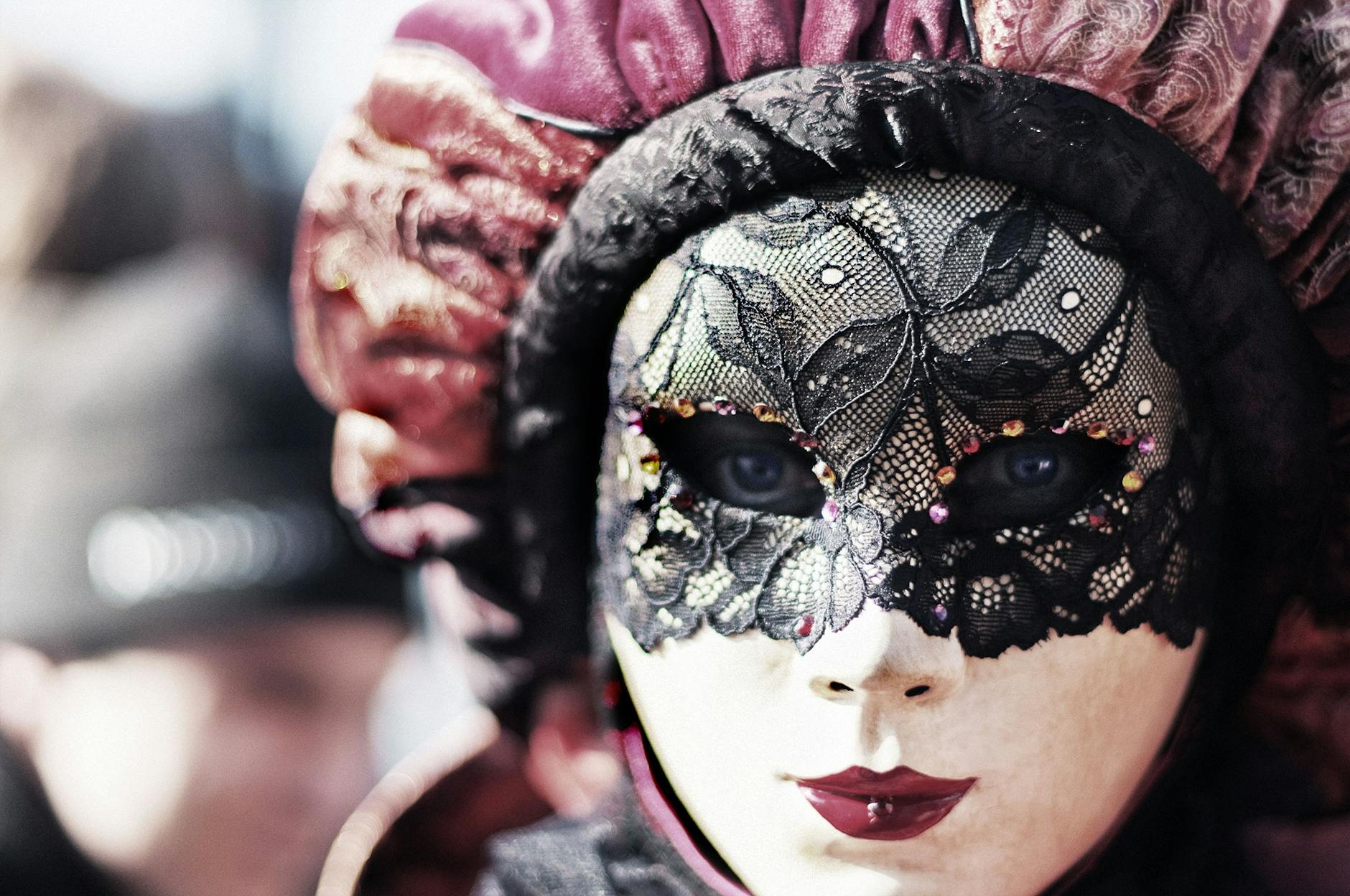
In countries like Italy, this evolution birthed unique traditions, particularly in Venice, where elaborate masked balls and parades became hallmarks of the iconic Carnival celebrations. The lavish costumes and masks served not merely decorative purposes; they represented anonymity and liberation from societal constraints, allowing individuals to immerse themselves fully in the joyful experience.
By the time Carnival spread to other parts of the world, particularly through colonial expansion, its identity had become intertwined with both ritualistic elements and the local cultural narratives. The history of Carnival celebrations illustrates a journey of transformation and adaptation where ancient rituals melded with Christian observances, evolving into the diverse festivities we see globally today. It is a celebration that honors tradition while simultaneously allowing for innovation—evolving as cultures continue to merge and respond to contemporary influences.
Cultural Significance: Carnival as a Reflection of Society
The cultural significance of Carnival cannot be overstated; it serves as a mirror reflecting societal values, struggles, and identities. At its core, Carnival offers an opportunity for expression and liberation—often celebrating the very essence of humanity, including its joys, sorrows, and contradictions. This section explores the multifaceted role that Carnival plays in shaping and reflecting social dynamics.
Firstly, Carnival is inherently a communal affair, emphasizing solidarity and collective identity. People from various walks of life unite in celebration, bridging social and economic divides. Through its music, dance, and elaborate costumes, Carnival fosters a sense of belonging—reaffirming ties among participants. In many cultures, Carnival is one of the few occasions where individuals can vividly express their creativity and uniqueness while simultaneously feeling part of a greater whole.
Additionally, Carnival often highlights social issues and allows for criticism of societal norms, government policies, or class inequalities. Masks and costumes serve as metaphors for disguise, enabling participants to voice dissent or to speak truth to power without fear of repercussion. In many Carnival celebrations, satire and parody form an integral part of the festivity, allowing marginalized communities to reclaim their narratives and confront societal injustices in a space that celebrates joy.
Furthermore, the music and dance associated with Carnival embody cultural traditions unique to each region. From samba in Brazil to calypso in the Caribbean, these forms of expression preserve history and storytelling. They capture the struggles, triumphs, and aspirations of the community, transmitting experiences across generations. Through shared rhythms and lyrics, Carnival fosters intergenerational knowledge and cultural continuity—important as cultures navigate the complexities of the modern world.
Overall, Carnival transcends the boundaries of entertainment; it is a cultural phenomenon that encapsulates the very essence of human experience. As it evolves, Carnival continues to adapt to contemporary challenges while preserving the cultural heritage that shapes communities. The joy of celebration serves as a unifying force and an assertion of identity in the face of adversity, ensuring that Carnival retains its significance in a continuously changing world.
Global Variations: How Different Cultures Celebrate Carnival
The celebration of Carnival varies widely across cultures, each infusing its character, traditions, and history into the festivities. This section will delve into how diverse societies interpret and enact Carnival, showcasing its global variations.
In Brazil, Carnival is perhaps one of the most famous celebrations, known for its energetic samba parades that draw millions of visitors each year. Brazilian Carnival is characterized by its elaborate floats, dazzling costumes, and the rhythmic beat of samba music. The roots of this exuberant celebration lie in African heritage, as enslaved Africans were integral to shaping the Afro-Brazilian culture. By the mid-20th century, the celebration evolved into a national festival, with Rio de Janeiro leading the charge. Each samba school prepares for months, preparing intricate choreographies and breathtaking costumes to compete for the title of champion at the Sambadrome. This vibrant display not only celebrates joy but also pays homage to African roots, reflecting the cultural syncretism that defines Brazilian society.
In contrast, Venice’s Carnival presents a different ambiance steeped in historical grandeur. Originating from the 13th century, Venetian Carnival is famed for its elaborate masks and sophisticated balls that echo the opulence of the Venetian Republic. Participants don masks, allowing anonymity and freedom, which fosters an environment of playfulness and creativity. The rituals of drinking, dancing, and entertainment are interwoven with the city’s rich art history, exemplifying how Carnival serves as a platform for cultural heritage and artistic expression.
Further afield, Trinidad and Tobago’s Carnival is known for its energetic energy and vibrant street parties. The celebration features colorful costumes, calypso music, and lively dance competitions. Known as “the greatest show on Earth,” it reflects the nation’s history, blending African, Indian, and European influences. The steelpan drum, originating from Trinidad, exemplifies how Carnival has adapted to incorporate distinct sounds and styles that resonate with the people.
In places like New Orleans, Carnival is embodied in Mardi Gras, where the tradition revolves around parades, parties, and the iconic King Cake. Rooted in the French Catholic tradition, Mardi Gras features masks, beads, and joyous celebrations, often occurring alongside community-driven events that emphasize local culture and cuisine. The city’s melting pot of cultures—French, Spanish, and Creole—creates a unique experience, combining longstanding traditions with modern festivities.
These examples illustrate that while Carnival may share common elements, each culture imbues its history and identity into the celebration. The global variations of Carnival reflect how diverse societies interpret the significance of revelry and what it means to celebrate community, resilience, and togetherness. As Carnival continues to evolve, its ability to absorb and adapt to varied cultural influences remains one of its most extraordinary aspects.
Modern-Day Carnival: Evolution and Contemporary Celebrations
As we step into the modern era, Carnival celebrations have undergone significant evolution, adapting to contemporary societal changes while maintaining their core essence. This section explores how modern-day Carnival reflects the complexities of 21st-century life, responding to globalization, technological advancements, and shifting cultural narratives.
In recent years, the globalization of culture has brought unique challenges and opportunities for Carnival. While the festivals remain anchored in regional traditions, they have also begun to embrace diverse influences from around the world. This cultural exchange has led to innovative performances, creative fusions of music styles, and a fresh take on traditional costumes. For example, the integration of hip-hop elements into samba parades in Brazil showcases how contemporary forms of expression can align with long-standing traditions, inviting younger generations to engage with Carnival in new ways.
Technology also plays a crucial role in modern Carnival celebrations, enabling greater visibility and participation. Social media platforms allow Carnival festivities to reach broader audiences beyond their geographical confines. Live streaming of parades, digital interactions, and online collaborations have allowed communities to connect and share their celebrations with a global audience. Additionally, the exchange of ideas and designs across borders leads to a fusion of styles, enriching the Carnival experience for participants and spectators alike.
However, this evolution is not without its challenges. As Carnival grows in popularity, the commercialization of these events poses the risk of diluting their cultural and social significance. The pressure to attract tourists can shift the focus away from authentic traditions, introducing elements that may not resonate with local communities. The tension between preserving authenticity and catering to commercial interests remains a critical discussion in the modern context of Carnival.
Local communities are actively working to counter this commercialization by prioritizing cultural preservation and inclusivity. Many Carnival organizations now emphasize community-based initiatives, inviting participation from diverse, often marginalized, groups. These efforts ensure that the spirit of Carnival reflects the authentic voices and stories of its participants, emphasizing cultural pride and social unity.
Moreover, modern societal issues are increasingly woven into Carnival narratives, leading to expressions of activism and social commentary through performances and costume designs. Themes of environmental awareness, social justice, and political critique often emerge, prompting deeper conversations around the place of Carnival in contemporary society. Parades and performances become platforms for reflection, allowing artists and participants to challenge norms and assert their identities.
Through its ability to adapt and evolve, modern-day Carnival continues to resonate with participants rooted in historical traditions while embracing contemporary issues and innovations. Despite the challenges posed by commercialization and global influences, Carnival remains a powerful celebration of identity, community, and resilience in an ever-changing world.
The Future of Carnival: Challenges and Innovations
Looking ahead, the future of Carnival presents a fascinating panorama of challenges intertwined with opportunities for innovation. As these celebrations continue to evolve, evaluating what lies ahead can provide insights into maintaining their significance in an increasingly complex world.
A recognition of climate change and environmental sustainability has prompted Carnival organizers to rethink their approaches. The environmental impact of large-scale events, including waste generation, carbon footprints, and resource consumption, has become a pressing concern. Consequently, many Carnival organizers are proactively integrating sustainability practices into their celebrations. Recycling initiatives, using eco-friendly materials for costumes, and promoting sustainable tourism practices are becoming part of the planning process, ensuring that Carnival does not negatively impact the environment.
Moreover, the COVID-19 pandemic has greatly affected Carnival celebrations worldwide, forcing organizers to adapt swiftly. Restrictions on large gatherings have led to the emergence of virtual events and innovative celebrations that leverage technology. Many communities opted for live-streamed performances, interactive online experiences, and smaller, localized gatherings, illustrating adaptability in the face of uncertainty. The lessons learned during this time will likely influence how Carnival is structured moving forward, leading to a potential hybrid model that incorporates both in-person events and digital engagement.
Furthermore, innovation in artistic expression has the potential to reshape the very essence of Carnival celebrations. With the rise of digital media and new art forms, the way culture and stories are expressed is continually evolving. Creative partnerships among artists from diverse backgrounds foster new avenues of expression that incorporate multimedia elements. This integration can lead to experimental designs, choreographies, and storytelling methods that push the boundaries of traditional Carnival celebrations.
However, the future success of Carnival will hinge on maintaining its core essence while embracing innovation. As celebrations continue to globalize, protecting the unique cultural identities intrinsic to each Carnival is vital. Education initiatives, mentorship programs, and collaborations with local communities can facilitate the transmission of knowledge, ensuring these vibrant traditions are preserved for future generations.
As we gaze into the future, Carnival celebrations must remain a site of connection, resilience, and expression in an ever-evolving world. By embracing sustainability, adapting to societal challenges, and fostering creative innovation, the spirit of Carnival can thrive—celebrating the rich heritage and diverse identities that define each unique tradition.
Conclusion
Carnival celebrations carry a rich and vibrant history that transcends time and geography, embodying the resilience, joy, and creativity of human expression. From ancient rites celebrating the arrival of spring to contemporary gatherings reflecting cultural nuances, Carnival serves as a testament to the interconnectedness of societies and the enduring power of celebration. Each region, with its distinct traditions and expressions, contributes to a global tapestry that celebrates diversity and cultural heritage.
As we look forward, the challenges posed by commercialization, environmental sustainability, and societal changes must be navigated with care to ensure that the essence of Carnival is preserved. By fostering inclusivity, embracing innovation, and cultivating awareness of contemporary challenges, the future of Carnival can continue to honor its past while evolving to reflect the world we live in today. Ultimately, Carnival remains a powerful expression of community spirit and identity—a reminder that amid the challenges of life, the joy of coming together in celebration is a universal truth that unites us all.
Sources Consulted
- “The History and Significance of Carnival Celebrations.” www.history.com
- “How Carnival Celebrations Have Evolved in the Modern Era.” www.culturaljourney.com
- “Exploring Carnival Traditions Around the World.” www.worldcarnivals.com
- “The Impact of Carnival on Local Cultures and Communities.” www.localculture.org
- “Sustainability Practices in Modern Carnival Celebrations.” www.sustainablefests.org