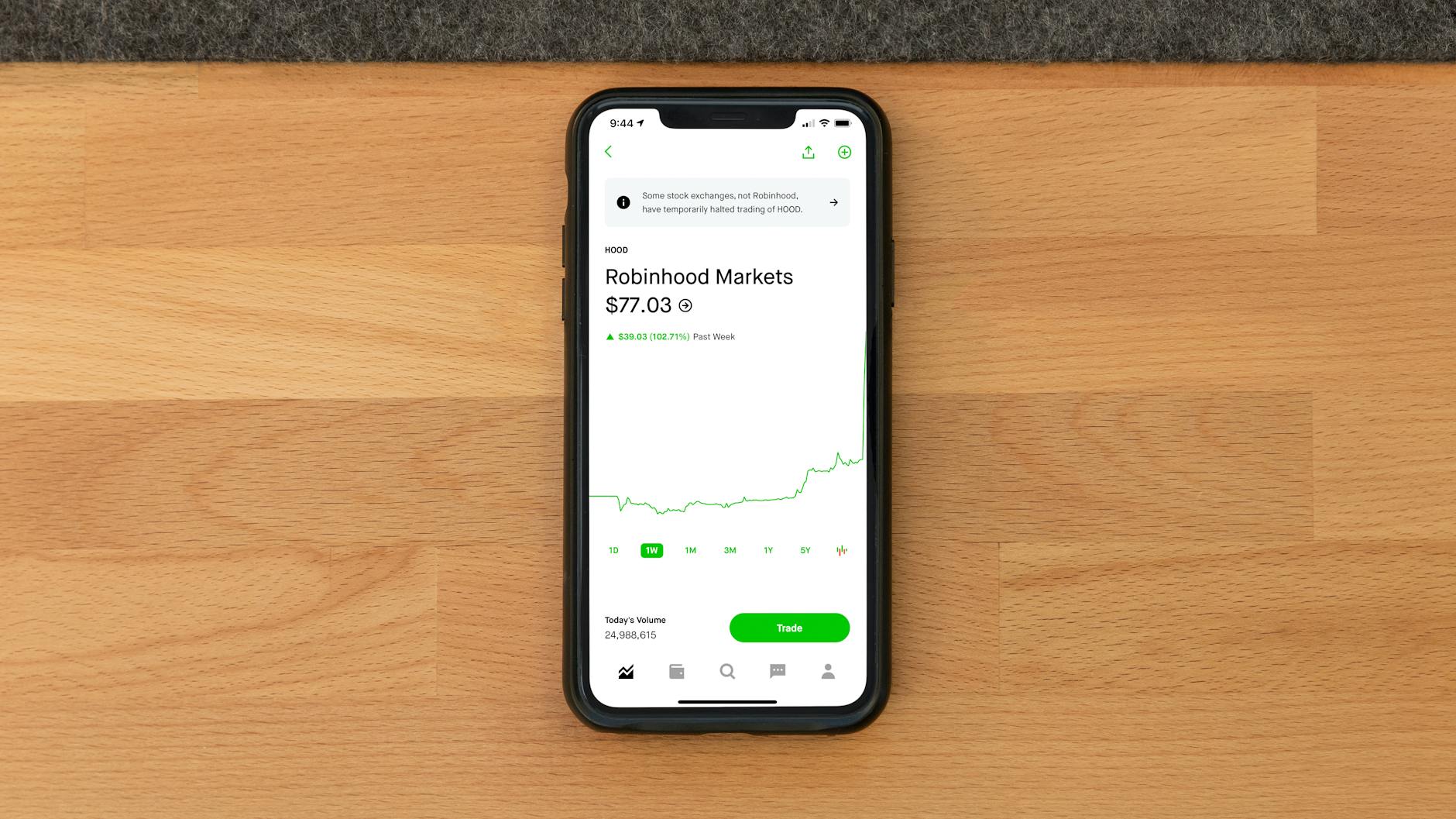
Introduction
The Robinhood trading platform has dramatically reshaped the landscape of retail investing. Founded in 2013 by Vlad Tenev and Baiju Bhatt, Robinhood aimed to democratize finance for all by offering commission-free trades and an intuitive mobile interface. With its commitment to empowering everyday investors, Robinhood quickly gained popularity, especially among Millennials and Gen Z. This article will delve into the captivating history of Robinhood, exploring its founding principles, growth strategies, and the controversies that have arisen from its meteoric rise. Key developments and technological innovations will also be examined, alongside the platform’s future prospects and its overall impact on the financial markets.
Foundation and Launch of Robinhood
The Robinhood trading platform’s origins can be traced back to the visions of its founders, Vlad Tenev and Baiju Bhatt. Both entrepreneurs, who met during their studies at Stanford University, recognized early on the barriers that traditional brokerage firms posed to retail investors. The existing financial landscape was dominated by high fees that discouraged many potential traders, particularly younger individuals with limited disposable income. Tenev and Bhatt aimed to create a platform that would allow anyone, regardless of financial status, to participate in the stock market.
In April 2013, Robinhood was launched as a mobile application. The platform’s unique selling proposition was straightforward: commission-free trading. This innovation was revolutionary at the time, as most brokerages charged fees per trade, creating a substantial burden for novice traders looking to invest small amounts. Robinhood’s model promised to eliminate these barriers and make investing accessible to all. To finance their operations without charging commissions, the founders implemented a practice known as “payment for order flow,” where they received compensation from market makers for routing trade orders to them.
The initial rollout of Robinhood was met with enthusiasm, especially among younger demographic groups who found the platform’s user-friendly interface appealing. Within a year of its inception, Robinhood garnered over 1 million users, a remarkable feat for any startup. This early user acquisition was fueled by a referral program that incentivized existing users to invite friends by offering free stocks for each successful referral. The strategy not only expanded Robinhood’s user base but also created a community of engaged investors eager to share their experiences and learn from each other.
As Robinhood continued to grow, it caught the attention of venture capitalists. By the end of 2014, the platform had secured its first significant round of funding, raising $13 million in a Series A financing led by New Enterprise Associates. This influx of capital was pivotal for the company’s expansion, allowing Robinhood to enhance its technology infrastructure, develop new features, and broaden its market presence. In 2015, the company introduced the ability to trade options, further solidifying its appeal to a broader range of investors.
Moreover, Robinhood’s branding played a crucial role in its success. Emphasizing its goal to “democratize finance for all,” the company positioned itself as a disruptor in the financial services industry. Its easy-going, approachable branding resonated well with its target audience, reinforcing the idea that investing did not have to be esoteric or reserved for the wealthy. The platform’s name, a nod to the legendary figure who “robbed from the rich to give to the poor,” encapsulated its mission to empower individual investors.
However, the rapid ascent of Robinhood was not without its challenges. As the user base expanded, so did the scrutiny from regulators. Questions surrounding its business model, particularly its reliance on payment for order flow, led to ongoing discussions about transparency and potential conflicts of interest. Despite these concerns, Robinhood’s impact on the trading landscape was undeniable—by 2020, it had amassed over 13 million users, making it one of the most popular trading applications in the United States.
The launch of commission-free trading by Robinhood catalyzed a shift that prompted other brokerage firms to re-evaluate their fee structures. Major players like Charles Schwab, TD Ameritrade, and E*TRADE followed suit, eliminating commissions for trades and further validating Robinhood’s disruptive business model. This competitive shift not only transformed the trading industry but also established a new expectation among consumers for low-cost, accessible investment options.
Growth and User Acquisition Strategies
Robinhood’s growth was not merely a result of its innovative commission-free model; it was bolstered by strategic user acquisition efforts that leveraged technology, social media, and community engagement. The company recognized that to sustain its rapid growth, it needed to continually attract new users while retaining existing ones.
One of the pioneering strategies adopted by Robinhood was the referral program, which incentivized current users to invite friends. This strategy proved effective as users of the platform were motivated by the opportunity to receive free stocks—an attractive proposition for those new to investing. The referral program not only encouraged existing users to promote the platform but also facilitated organic growth through trust and personal recommendations.
In addition to the referral program, Robinhood heavily invested in digital marketing campaigns aimed at younger demographics. The targeted ads were designed to resonate with the Millennial and Gen Z populations who were increasingly dissatisfied with traditional financial institutions. Platforms like Instagram, Facebook, and Twitter became key channels for reaching potential users, with visually engaging content that highlighted the platform’s ease of use and commitment to democratizing finance.
Partnerships with influencers and financial educators also played a significant role in Robinhood’s user acquisition strategy. By collaborating with prominent figures on social media who advocated for financial literacy, Robinhood effectively tapped into existing online communities eager to learn about investing. These partnerships facilitated a sense of trustworthiness, enhancing Robinhood’s credibility among users who may have viewed investing as intimidating or complex.
Moreover, the company’s focus on delivering a seamless and engaging user experience through its mobile application contributed significantly to user retention. The simple, intuitive interface made trading accessible even for those with no prior experience. Users were not only able to execute trades effortlessly but were also presented with educational resources, including articles and tutorials, that encouraged informed decision-making.
A further dimension of Robinhood’s growth strategy involved the introduction of new features continually aimed at enhancing user engagement. For instance, the addition of fractional shares allowed users to invest small amounts in high-priced stocks, broadening their investment opportunities and fostering a culture of ownership. Other features like cryptocurrency trading and a range of investment options attracted a diverse user base, allowing Robinhood to cater to varying investment styles and preferences.
The introduction of the Robinhood Gold subscription service in 2016 marked another strategic expansion aimed at generating revenue while offering premium features such as access to margin trading and bigger instant deposits. The monetization strategy behind Robinhood Gold demonstrated the company’s innovative approach to diversifying its revenue streams while still adhering to its original mission of making finance accessible.
Furthermore, Robinhood’s data-driven approach to understanding user behavior allowed the company to refine its offerings and marketing efforts continuously. By analyzing user interactions within the app, Robinhood could identify patterns and preferences, adapting features and promotional strategies accordingly. This nimbleness in responding to user feedback contributed to high user satisfaction rates and loyalty.
Overall, Robinhood’s growth trajectory is a testament to the efficacy of its user acquisition strategies, emphasizing the combination of innovative features, effective marketing, and leveraging social networks to foster community engagement. As the platform evolved, it successfully established itself as a dominant player in the rapidly changing landscape of retail investing, paving the way for its future advancements.
Controversies and Regulatory Challenges
As Robinhood’s popularity soared, the platform became embroiled in several controversies and regulatory challenges that would shape its path moving forward. While the company’s mission centered on democratizing finance, various incidents raised concerns among investors, regulators, and policymakers about the ramifications of its business practices.
One of the most significant controversies erupted in March 2020 during the COVID-19 pandemic when the platform experienced multiple outages and technical glitches. As volatility surged in the markets, many users attempted to access their accounts to place trades, only to encounter frustrating delays and failures. This incident sparked anger among users, leading to widespread complaints fueled by the sentiment that Robinhood had failed them in times of need. The outages not only caused financial losses for users who missed trading opportunities but also created questions about the platform’s reliability and ability to handle increased traffic.
In the wake of these outages, Robinhood faced intense scrutiny from regulators, specifically The Financial Industry Regulatory Authority (FINRA) and the Securities and Exchange Commission (SEC). Regulators began investigating the circumstances surrounding the outages to determine if Robinhood adhered to the necessary standards for operational resilience. This scrutiny highlighted the fragile nature of technology-driven trading platforms and the potential implications for investors reliant on their functionality.
Moreover, the conversation around payment for order flow, a core component of Robinhood’s business model, intensified amid these controversies. Critics raised concerns about potential conflicts of interest that could arise from the practice, wherein Robinhood received compensation for directing orders to market makers. Although this model helped facilitate commission-free trading, it also raised questions about whether users were receiving the best execution prices on their trades.
In December 2020, the SEC launched an investigation into whether Robinhood adequately disclosed how it generated revenue through payment for order flow. With increased public attention on the issue, the company faced pressure to enhance transparency regarding its business practices. In response, Robinhood implemented measures to improve disclosures and educate users about the intricacies of its revenue generation methods, striving to reassure its user base.
Another major controversy ensued in early 2021 when Robinhood halted trading on several stocks, notably GameStop, during the height of the short squeeze driven by retail investors on platforms like Reddit. The decision to restrict trading on heavily shorted stocks drew sharp criticism from users who viewed it as a betrayal of the platform’s foundational principles of encouraging free trading. Additionally, legislators initiated inquiries into the incident, questioning whether Robinhood acted in the best interest of its users or capitulated to pressures from institutional investors.
The backlash prompted Robinhood to confront not only user anger but also a significant reputational challenge. The fallout from the GameStop incident contributed to congressional hearings where Robinhood’s CEO, Vlad Tenev, was summoned to testify. The hearings scrutinized the role of trading apps in exacerbating market volatility and examined whether there should be more stringent regulations governing such platforms.
In July 2021, Robinhood went public through an initial public offering (IPO), momentarily shifting the focus of narrative around the company. However, the controversies and regulatory inquiries surrounding its operations persisted. Investors and analysts keenly watched how Robinhood would address its ongoing challenges, perceived risks, and the implications for its business model as it navigated the complexities of the financial landscape.
Beyond these controversies, Robinhood also actively sought to engage with regulators and policymakers to promote dialogue on enhancing market accessibility and investor protection. The company launched initiatives aimed at fostering financial literacy among its user base and advocated for responsible trading practices. By taking a proactive stance, Robinhood attempted to rehabilitate its image and align itself with broader discussions about consumer protection and ethical trading in the financial markets.
Overall, the controversies and regulatory challenges faced by Robinhood underscore the complexities inherent in disrupting traditional financial models through technology. As the trading industry continues to evolve, such incidents serve as an important reminder of the responsibility that comes with providing trading platforms and the need for robust regulatory oversight.
Technological Innovations and User Experience
At the core of Robinhood’s success lies its commitment to technological innovation and user experience. The platform revolutionized retail investing by recognizing the importance of creating a seamless, user-friendly interface that catered to both seasoned investors and newcomers alike. This dedication to enhancing user experience has played a crucial role in Robinhood’s ability to attract and retain millions of users.
The mobile-first design of Robinhood was among its most impactful innovations. In an era where smartphones increasingly dominate communication and commerce, Robinhood positioned itself as a mobile-centric platform that allowed users to trade stocks, options, and cryptocurrencies directly from their devices. The sleek and intuitive app interface made navigating the various features an effortless experience, providing users with easy access to account management, market data, and trading functionalities.
Incorporating gamified elements into the app further contributed to an engaging user experience. The platform embraced a more casual approach to investing by allowing users to track their portfolios with visual elements and playful notifications that celebrated milestones like executing their first trade or hitting new account balance thresholds. This gamification resonated particularly well with younger audiences, making investing feel less intimidating and more accessible.
Security and privacy are critical components of any financial platform, and Robinhood took steps to prioritize these concerns. The app utilized advanced encryption and security protocols to safeguard user information and financial data. Moreover, features such as two-factor authentication added an extra layer of protection, reassuring users that their accounts were secure. This emphasis on security helped to instill confidence in users, allowing them to focus on their investment strategies rather than worrying about the safety of their information.
Educating users and providing them with comprehensive resources was another hallmark of Robinhood’s innovative approach. Within the app, users found a wealth of information on various investment concepts, trading strategies, and stock analyses. The inclusion of these educational resources empowered users to make informed decisions, demystifying the investing process and fostering a sense of financial empowerment, especially for those new to trading.
Robinhood also leveraged technology to introduce advanced trading features that catered to diverse investment styles. The addition of options trading and cryptocurrency trading presented users with opportunities to explore new investment avenues. Additionally, the introduction of fractional shares allowed users to invest in high-priced stocks without needing the full amount. This move removed the barrier to entry for many budding investors and enabled them to diversify their portfolios more easily.
The application’s real-time market data and tailored notifications allowed users to stay informed about market trends and receive updates on their investments. With this functionality, users could respond swiftly to market movements, ensuring they never missed a trading opportunity. Push notifications kept users engaged with their portfolios, prompting them to act when specific price points were reached or when significant news events occurred.
Furthermore, Robinhood’s integration of social elements became a notable market differentiator. The introduction of features like the Popular Stocks section allowed users to see which stocks were trending among other investors, fostering a sense of community within the app. Additionally, the platform encouraged users to share insights with their connections, further enhancing engagement and collective learning.
In 2021, while the app underwent enhancements to address user feedback and concerns from regulators, Robinhood maintained its focus on technological advancements. The launch of web trading in addition to the mobile app enabled users to have a more comprehensive trading experience across multiple platforms, catering to diverse user preferences.
Through continual iteration and innovation, Robinhood’s investment in user experience and technology not only positioned it as a leader in the trading platform space but also contributed to its overall mission of making finance more accessible. By fostering a welcoming and supportive environment for users of all skill levels, Robinhood redefined the overall investing experience and paved the way for a new generation of retail investors.
Future Prospects and Market Impact
Looking ahead, the future prospects of Robinhood are characterized by both immense potential and the challenges it must navigate in a rapidly evolving financial landscape. As the platform adapts to regulatory pressures and shifts in user behavior, its approach will likely define its trajectory in the years to come.
One key area that Robinhood will need to consider is the increasing demand for more advanced investment products and services. With the rise of sophisticated retail investors seeking options beyond just stock trading, Robinhood’s ability to innovate and expand its offerings will be critical. The platform may explore introducing more complex investment vehicles, such as exchange-traded funds (ETFs), bonds, and even financial advisory services, to cater to the diverse needs of its user base.
Moreover, as financial literacy among users continues to improve, they may seek more proactive guidance and education. In response, Robinhood may enhance its educational resources and introduce tools that assist users in making informed investment decisions, such as personalized portfolio analysis and risk assessment features. This proactive approach could further solidify Robinhood’s reputation as a user-centered platform committed to empowering its investors.
Another significant consideration for Robinhood pertains to regulatory challenges that have emerged from its business practices. As regulators take a closer look at the implications of commission-free trading and payment for order flow, Robinhood must work to ensure compliance while safeguarding its unique business model. Adapting to increased transparency requirements will be essential in maintaining trust with users and fostering long-term relationships with regulators.
The competitive landscape of retail investing is also evolving, with traditional brokerages and new fintech entrants entering the space. To maintain its status as a frontrunner, Robinhood will need to continually monitor competitor developments and differentiate itself through unique features, user experience, and value propositions. Partnerships with other financial services companies or improvements in its technology stack may become necessary to stay ahead of the curve.
As Robinhood navigates these dynamics, its impact on the overall investment ecosystem continues to resonate. The platform has played a significant role in democratizing finance, notably shifting the narrative around investing and open access to financial markets. By leveraging technology to empower individual investors, Robinhood has influenced the way financial institutions and brokerages approach their services, leading to broader changes in the financial industry.
Additionally, Robinhood has paved the way for increased investor engagement, with a community of users that actively participate in discussions and trading decisions. This cultural shift toward an engaged retail investor base could have lasting implications for how companies communicate with their shareholders and how stocks are valued in the market.
In summary, while Robinhood faces challenges in the ever-evolving financial landscape, its innovative spirit, user focus, and commitment to democratizing finance provide a solid foundation for future growth and influence. As technology continues to reshape investing, Robinhood stands at the forefront of this transformation, determined to redefine how individuals interact with financial markets and participate in investment opportunities.
Conclusion
The history of the Robinhood trading platform is a story of innovation, disruption, and transformation in the financial services industry. From its foundation and mission to democratize access to investing to its meteoric rise in popularity and the controversies it has encountered along the way, Robinhood has made waves that resonate far beyond the boundaries of traditional brokerage firms.
As we have explored, Robinhood’s commitment to providing commission-free trading and a user-friendly platform has successfully attracted millions of users and transformed the notion of investing for the average person. Through innovative marketing strategies and technological advancements, the company has created an engaging ecosystem for retail investors, empowering individuals to take control of their financial futures.
However, with growth comes challenges. The controversies surrounding outages, regulatory scrutiny, and its trading practices raise critical questions about the sustainability of Robinhood’s model. Moving forward, how the company navigates these regulatory hurdles, adapts its services to meet evolving user needs, and embraces technological advancements will ultimately shape its future prospects.
As Robinhood continues to influence the broader financial landscape, it inspires a generation of investors who see finance as an everyday endeavor rather than an exclusive domain for the elite. Its legacy will likely prompt other companies to prioritize transparency, accessibility, and education while reshaping the narrative of consumer finance.
In conclusion, Robinhood’s journey is far from over. With its ongoing commitment to empowering individual investors and navigating the complexities of the modern financial world, Robinhood is poised to reshape the investing landscape for years to come.
Sources Consulted
- Robinhood: https://robinhood.com
- SEC on Robinhood’s trading model: https://sec.gov/news/press-release/2021-72
- FINRA Report on Robinhood outages: https://finra.org/newsroom/2020/robinhood-outages
- Congressional Hearing on GameStop: https://financialservices.house.gov/news/documentsingle.aspx?DocumentID=508428
- Investor Education Resources: https://robinhood.com/learn