
Introduction
The history of the papacy is a profound narrative that intertwines with the development of Christianity and the Catholic Church. Throughout the centuries, numerous popes have assumed leadership, each leaving an indelible mark on religious practices and societal norms. These influential popes not only shaped the spiritual journey of millions but also influenced politics, culture, and education within the broader spectrum of human history. This article delves into the lives and impacts of the most significant popes, examining their contributions, challenges, and legacies. Moreover, the exploration will highlight how these leaders navigated through tumultuous periods of change, asserting their authority while addressing contemporary issues. Through a comprehensive overview, readers will gain insight into how these influential popes have guided the course of the Catholic Church and beyond.
The Early Papacy: Foundations and Influences
The early papacy emerged in the wake of the apostolic age, marked by the establishment of the Catholic Church as a formal institution. Notably, the first pope, St. Peter, played a critical role as one of Christ’s apostles and is often referred to as the “rock” upon which the Church was built. His leadership and martyrdom set a precedent for the authority and sanctity associated with the papacy.
Following Peter, there were several influential figures, such as St. Linus and St. Anacletus, who served during the first century. Their contributions were foundational, establishing the office’s legitimacy and ecclesiastical structure. The early papacy faced numerous challenges, chiefly the persecution of Christians within the Roman Empire. This period of suffering and martyrdom strengthened the resolve of the Church and its leaders, who sought to consolidate their power and protect their followers.
By the fourth century, the Edict of Milan issued by Emperor Constantine marked a significant turning point for the papacy. It legalized Christianity and allowed the Church to grow without fear of persecution. As the Church flourished, the office of the pope began to assume greater authority not only spiritually but also politically. The role of the pope transformed from a local leader to a prominent figure influencing the vast expanses of Christendom.
The establishment of the doctrine of Petrine supremacy, asserting that the pope is the spiritual successor to St. Peter, was crucial during this early phase. This belief granted the pope authority over bishops and established a hierarchy that reinforced the central role of Rome in global Christianity. The theological and political implications of this doctrine remain significant to this day.
Throughout the early papacy, significant events such as the First Council of Nicaea, convened in 325, illustrated the increasing power of the pope. The council addressed pressing theological disputes and affirmed the Nicene Creed, showcasing the pope’s central role in Christian unity. This early involvement in the ecumenical councils set a precedent for future papal influence in theological matters.
In summary, the early papacy laid the groundwork for the authority and influence that the pope would later exert over both spiritual and worldly matters. The challenges faced and the foundations established during this pivotal time greatly shaped the future of the Catholic Church and reinforced the significance of the pope in ecclesiastical and secular domains.
Papal Authority during the Middle Ages
During the Middle Ages, the papacy reached unprecedented heights of power and influence, becoming a central institution in European society. This era was characterized by intricate relationships between the popes and monarchs, leading to a complex dynamic of authority and territorial control.
One of the most notable popes of this period was Pope Gregory VII, who reigned from 1073 to 1085. His reforms aimed to eradicate corruption and enforce clerical celibacy, which he believed was essential for the moral integrity of the Church. Gregory’s conflict with Emperor Henry IV over the appointment of bishops exemplified the struggle for power between the papacy and secular rulers. The famous phrase “I am in the place of God†echoed Gregory’s belief in the divine legitimacy of papal authority.
Another key figure was Innocent III, whose papacy from 1198 to 1216 marked the zenith of papal power. Innocent wielded significant influence over European monarchies, asserting the supremacy of the pope in political and spiritual matters. He played a pivotal role in initiating the Fourth Crusade and called for the Albigensian Crusade against heretical movements in southern France. His decisions during this time shaped the political landscape of Europe and demonstrated the papacy’s capability to mobilize forces for religious purposes.
The medieval period also saw the establishment of crucial doctrines, such as the doctrine of transubstantiation, which solidified the significance of the Eucharist and the priesthood. The pope’s role as the intermediary between God and humanity underscored the Church’s spiritual authority, reinforcing the belief in papal infallibility when defining doctrines on faith and morals.
Moreover, the medieval Catholic Church acted as a unifying force in a divided Europe, providing stability and continuity through its governance and social services. Monasteries and cathedral schools flourished, with the Church at the center of intellectual and cultural life. The papacy promoted education, art, and the establishment of universities that contributed to the intellectual revival of Europe during the High Middle Ages.
However, this period was not without challenges. The emergence of dissenting movements, such as the Cathars and Waldensians, posed significant threats to the Church’s authority. The papacy responded with measures ranging from dialogue to the implementation of investigations and inquisitions to combat heresy.
In conclusion, the Middle Ages were a transformative time for the papacy, where its authority evolved amidst political power struggles, ecclesiastical reforms, and cultural developments. The legacies left by influential popes during this period continue to resonate within the Catholic Church today.
The Impact of the Reformation on the Papacy
The Protestant Reformation in the 16th century marked one of the most radical changes in Christianity, as figures like Martin Luther and John Calvin challenged the established authority of the Catholic Church and, by extension, the papacy. The movement led to the fragmentation of Western Christianity and resulted in significant repercussions for the role of the pope.
At the onset of the Reformation, the papacy faced deep-rooted criticism for perceived corruption and decadence. The sale of indulgences, whereby individuals could purchase remission from sins, incited outrage among reformers and ordinary believers alike. Luther’s 95 Theses laid bare these grievances and called for a return to biblical principles. As the movement spread like wildfire across Europe, the pope’s authority came under tremendous scrutiny.
Pope Leo X, during whose papacy the Reformation began, underestimated the power of reformist ideas. His response to Luther was one of condescension, thinking that the movement would quickly dissipate. However, the Protestant Reformation gained momentum, leading to the formation of various Protestant sects that fundamentally rejected papal authority.
In response to the growing crisis, subsequent popes took steps to address the pressing issues raised by Protestant reformers. The Council of Trent (1545-1563), convened by Pope Paul III, marked a significant turning point in the Church’s efforts to clarify doctrine and enact reform. The council sought to counter the Protestant movement and reaffirm the supremacy of papal authority while addressing issues of morality and corruption within the Church. This endeavor resulted in comprehensive reforms in areas such as clerical education, conduct, and the administration of sacraments.
Additionally, the papacy became more involved in missionary work to reclaim territories lost to Protestantism. The Jesuits, founded by St. Ignatius of Loyola in 1540, played an instrumental role in this revival, emphasizing education and engagement with different cultures around the world. The papacy’s efforts during this period extended beyond Europe, influencing Christianity in Asia, Africa, and the Americas.
While the Reformation posed serious challenges, it also prompted the Renaissance of Catholic thought and spirituality. The emphasis on personal faith, scripture, and morality led to the development of new spiritual movements within the Church, including the Counter-Reformation, which galvanized Catholic identity.
In summary, the impact of the Reformation on the papacy was profound and multifaceted. The challenges posed by reformers not only highlighted the need for internal reform within the Church but also sparked a renewed emphasis on the authority and central role of the pope in guiding the Catholic Church through turbulent times.

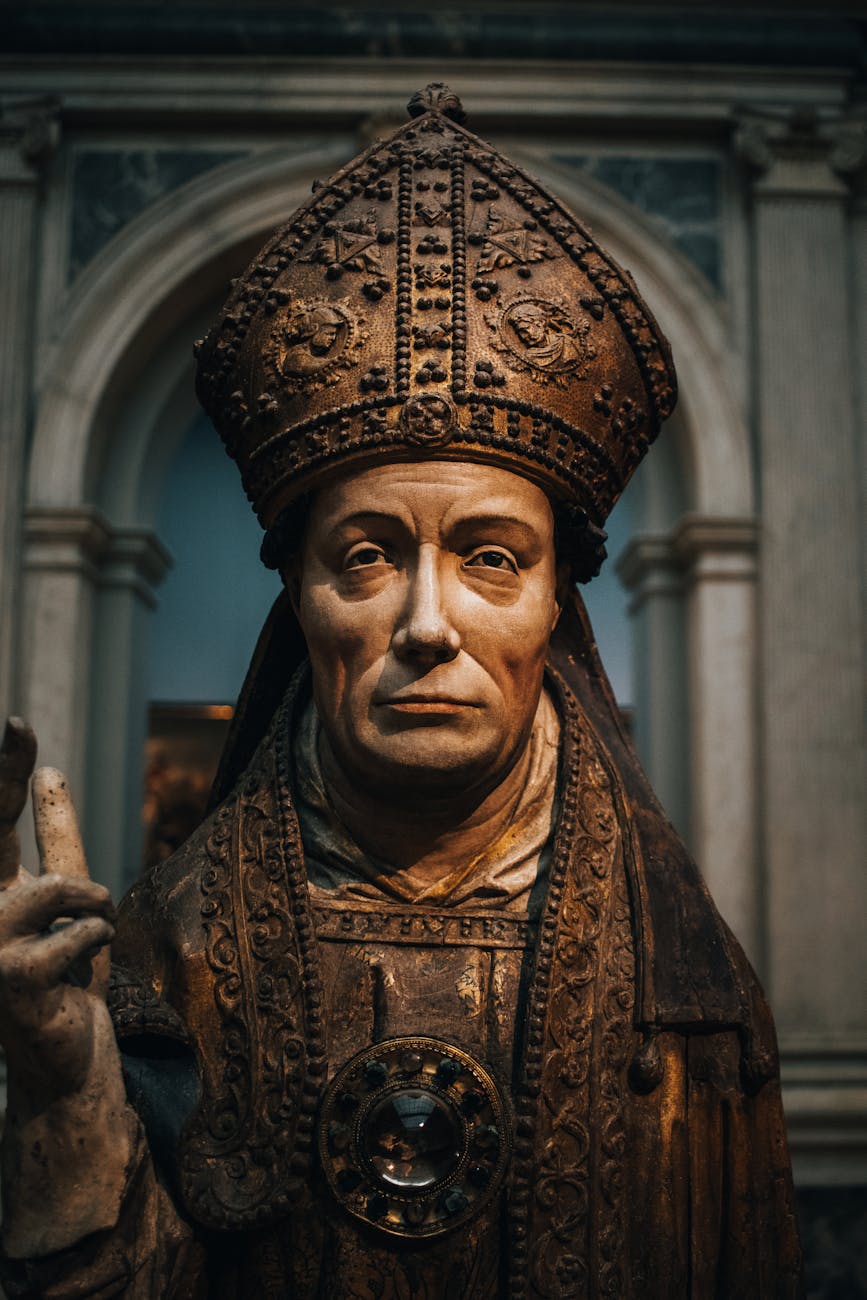
Photo by Alina Rossoshanska on Pexels.com
Modern Popes and Their Influence on Global Society
In the contemporary era, popes have become increasingly influential figures not only in religious contexts but also in broader global society. Modern popes have taken active stances on social, political, and economic issues, addressing some of the most pressing challenges faced by humanity.
Pope John XXIII, who served from 1958 to 1963, is widely recognized for initiating the Second Vatican Council, a landmark event that aimed to modernize the Church and engage with the contemporary world. The council produced significant documents on ecumenism, religious freedom, and the role of laity, marking a shift towards a more inclusive and dynamic Church. His vision emphasized the need for the Church to engage with societal issues and foster dialogue among diverse faiths.
Similarly, Pope Paul VI, who reigned from 1963 to 1978, continued these efforts, advocating for peace during the Cold War and addressing issues of social justice. His encyclical “Populorum Progressio” emphasized economic development and highlighted the moral obligation of wealthier nations to assist those in poverty. Paul VI’s connection with global issues positioned the papacy as a voice for the marginalized and oppressed.
Pope John Paul II, serving from 1978 to 2005, wielded tremendous influence both within the Church and in the global arena. His travels around the world helped bolster the image of the papacy as a leader of moral authority and conscience. John Paul II was pivotal in advocating for human rights, peaceful resolution to conflicts, and the promotion of interfaith dialogue. His presence in Poland during the Solidarity Movement significantly contributed to the collapse of Communist regimes in Eastern Europe, emphasizing the papacy’s role as a political force for good.
Pope Benedict XVI, while known for his academic approach to theology, also addressed contemporary issues through a critical lens. His encyclicals tackled topics such as the environment, social justice, and the role of religion in modern society. Benedict’s resignation in 2013 paved the way for the election of Pope Francis, who has emerged as an advocate for the marginalized, environmental issues, and economic inequality.
Pope Francis, the first Jesuit pope, has made headlines with his emphasis on compassion, social consciousness, and community engagement. His encyclical “Laudato Si'” called for urgent action against climate change and underscored the moral duty of caring for the environment. He has challenged the Church to be more open and welcoming while addressing issues such as immigration, poverty, and human trafficking.
In conclusion, modern popes have evolved to become influential leaders within a global context, addressing pressing social, economic, and political issues. Their voices have resonated beyond the confines of the Vatican, shaping conversations that affect millions of lives around the world. The papacy has adapted to meet contemporary challenges, reaffirming its commitment to justice, peace, and the dignity of all people.
The Role of the Papacy in Contemporary Issues
In the 21st century, the papacy continues to play a pivotal role in addressing contemporary issues that resonate deeply with both the Catholic faithful and the global community. This era has seen a remarkable transformation in the visibility and influence of the papal office, as popes engage with matters that affect society and the world at large.
One of the foremost contemporary issues has been the Church’s stance on social justice and inequality. Poverty remains a pressing challenge, and successive popes have highlighted the need for compassion and active engagement in aiding the poor. Pope Francis, in particular, has brought attention to the plight of marginalized communities, calling on Catholics and individuals of goodwill to take action. His emphasis on the “preferential option for the poor†reminds the Church of its mission to care for those in need, echoing the teachings of Christ on love and solidarity.
Additionally, the papacy has become increasingly involved in discussions surrounding climate change and environmental justice. Pope Francis’s encyclical “Laudato Si’†emphasizes the interconnectedness of creation and the moral imperative to protect our planet for future generations. The document has galvanized Catholics and non-Catholics alike to address ecological issues and foster a sustainable future. The Vatican’s engagement in global climate summits has underscored the significance of moral leadership in environmental stewardship.
The papacy also addresses issues of migration and refugee crises, as millions are displaced worldwide due to conflict, persecution, and climate-related disasters. Popes have consistently called for compassion and solidarity with migrants, urging governments and communities to welcome and protect those seeking refuge. This advocacy resonates with the Church’s teachings on the inherent dignity of every human being, irrespective of their circumstances.
Furthermore, the Catholic Church is actively engaging with contemporary debates surrounding human rights. Issues such as gender equality, racial justice, and LGBTQ+ rights are increasingly on the papal agenda. While the Church traditionally held conservative views on many of these matters, recent statements have indicated a willingness to engage in dialogue and compassionately respond to the needs of diverse communities. This willingness reflects the evolving nature of the papacy concerning societal changes and challenges.
The role of the papacy in interfaith dialogue has also gained prominence in contemporary society. Pope Francis is known for fostering relationships with leaders of other faiths, aiming to promote mutual understanding and collaboration. His historic visit to Abu Dhabi in 2019 and the signing of the Document on Human Fraternity with the Grand Imam of Al-Azhar exemplified a commitment to unity in diversity, shaping a narrative of peace and respect among different religions.
In conclusion, the papacy’s role in contemporary issues highlights its relevance in an ever-changing world. The engagement with social justice, environmental concerns, migration, human rights, and interfaith dialogue portrays a Church striving to meet the challenges of the times. Modern popes continue to inspire action and reflection, calling on the faithful and all of humanity to work toward a more just and compassionate world.
Conclusion
The history of the papacy is rich with influential figures who have shaped the trajectory of the Catholic Church and society at large. From the early papacy’s foundation to the multifaceted roles of modern popes, each era has seen the papacy navigate challenges while asserting its authority and mission. The legacies of influential popes continue to inspire millions of Catholics and serve as a moral compass for contemporary society.
As the Church faces new challenges in a rapidly changing world, the call for compassion, justice, and engagement remains paramount. Each pope’s commitment to addressing social, political, and spiritual issues demonstrates the papacy’s evolving nature as it seeks to respond to the needs of the faithful and humanity as a whole. The story of the papacy, therefore, is not merely a tale of leadership but a continuous journey marked by faith, resilience, and an enduring commitment to serve God and humanity.
Sources
- “A History of the Papacy” – Scholarly articles on early popes and their influences.
- “The Vatican and its Role in World Affairs” – Publications and resources on the modern papacy and its global impact.
- “The Reformation: A History” – Historical texts detailing the events and figures of the Reformation.
- “Pope John XXIII: The Good Pope” – Biographies exploring the life and impact of John XXIII.
- “Laudato Si’: On Care for Our Common Home” – The encyclical by Pope Francis addressing environmental issues.





[…] subsequent popes, the Vatican Museums expanded considerably. Pope Clement XIV, in the 18th century, continued Julius […]