
Introduction
This article delves into the intricate history of Vatican wealth, exploring how it has evolved from its origins to the present day. By examining historical events, cultural contributions, and contemporary financial practices, we aim to understand the complexities surrounding the Vatican’s financial empire. This exploration not only highlights the Vatican’s lavish treasures but also its resilience in navigating the challenges posed by politics and global economics. The Vatican, a city-state surrounded by Rome, is renowned not only for its religious significance but also for its immense wealth accumulated over centuries. As the spiritual center of the Catholic Church, the Vatican has garnered financial resources from a myriad of sources, including donations, art patronage, and its global influence.
The Origins of Vatican Wealth: Historical Context
The story of Vatican wealth begins deep in history, tracing back to the early days of Christianity. As the church gained prominence, it established roots in Rome with the martyrdom of Saint Peter, regarded as the first Pope. His burial site became a place of pilgrimage, attracting followers and donations. As the church’s influence expanded throughout the Middle Ages, so did its financial assets.
Initially, the Vatican amassed wealth through land ownership. Monasteries and church properties were granted extensive lands, generating income through agriculture. The system of tithing, where congregants contributed a portion of their income, became a steady revenue stream, empowering the church to not only sustain its ministers but also to fund various ecclesiastical projects.
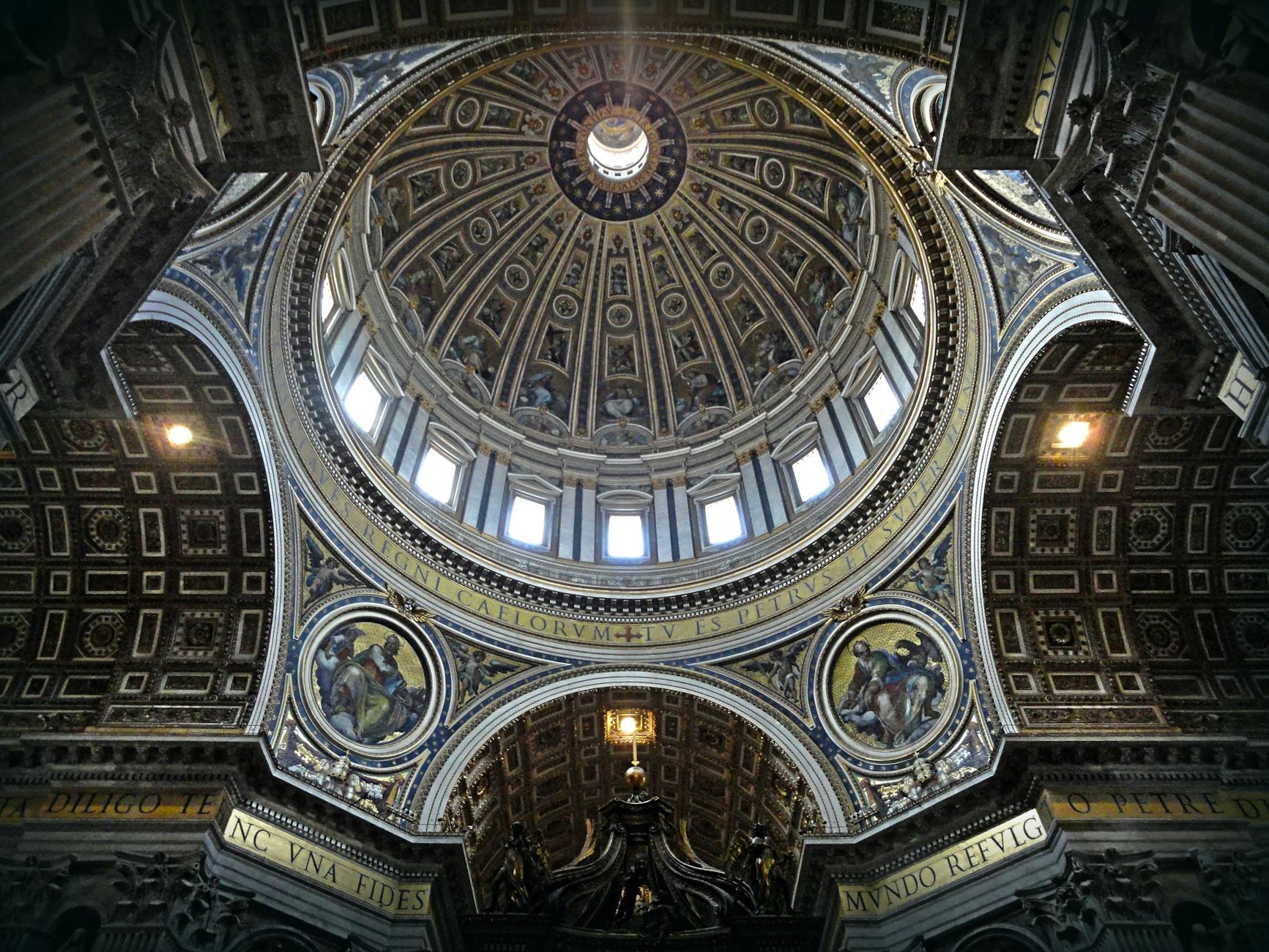
During the Renaissance, the Vatican’s wealth flourished. Popes became influential patrons of the arts, commissioning works from masters such as Michelangelo and Raphael. This patronage not only enriched the Vatican’s coffers but also transformed it into a cultural powerhouse, laying the groundwork for its long-standing legacy. The construction of St. Peter’s Basilica, funded by both donations and the controversial sale of indulgences, exemplifies how financial decisions were intertwined with spiritual objectives.
Moreover, the Vatican established diplomatic relationships with various monarchies, allowing for the acquisition of favor and financial support across Europe. These alliances often led to significant gifts, further bolstering the Vatican’s wealth. The church’s ability to navigate the complex political terrain of the time helped secure its financial standing, as it provided sanctity and stability during turbulent periods.
In conclusion, the origins of Vatican wealth are rooted in both spiritual devotion and shrewd management of resources. The church’s ability to adapt to changing times while maintaining its economic power has been a continuous narrative throughout its history.
The Role of Donations and Patronage in Building Wealth
One of the fundamental pillars of Vatican wealth relies heavily on the generosity of its followers. Donations form a significant part of the church’s income, reflecting the devotion of millions to the Catholic faith. Contributions range from regular tithes from parishioners to extraordinary gifts from the affluent and influential. The Vatican has implemented various fundraising campaigns over the years, emphasizing its reliance on voluntary contributions to support its ministries, charities, and maintenance of sacred sites.
Throughout history, notable figures have contributed substantial donations to the Vatican, solidifying their legacy while supporting the church. The church’s ability to inspire such generosity showcases its potent spiritual influence, as many view financial support as an investment in their faith.
However, it is not only the individual donations that have contributed to Vatican wealth; patronage has played a critical role as well. During the Renaissance and Baroque periods, numerous wealthy patrons supported the Church’s artistic endeavors, resulting in an impressive collection of artwork that today constitutes one of the Vatican’s most valuable assets. These artists, funded through generous commissions, created works that would immortalize both their own legacies and that of the church.
Additionally, some popes actively sought to enhance their own power and prestige through opulent displays of wealth, commissioning public works and architectural projects intended to captivate the loyalty of their followers while establishing their dominance. These actions, while occasionally controversial, were stark reminders of how closely financial resources were tied to ecclesiastical influence.
Art and Artifacts: The Vatican’s Cultural Treasures
The Vatican is home to one of the world’s most valuable collections of art and artifacts, representing not only religious significance but also immense financial value. Spanning centuries, these treasures include works from some of the most illustrious artists in history, such as Raphael, Michelangelo, and Bernini. Each piece not only stands as a testament to artistic evolution but also contributes to the Vatican’s overall wealth.
Renowned examples like the Sistine Chapel, where Michelangelo’s frescoes depict pivotal biblical events, serve both as cultural landmarks and sources of revenue through tourism. The Vatican Museums attract millions of visitors annually, generating substantial income and affirming the importance of art as an economic asset.
Additionally, the extensive collection of manuscripts and rare books stored within the Vatican Library is another priceless element of its wealth. These historical documents, many of which date back to the early days of Christianity, provide insights into religious, cultural, and political developments over the past millennia. Their preservation not only showcases the Vatican’s commitment to scholarship but also underscores its financial value, as rare texts can command significant prices on the antiquarian market.
Furthermore, the Vatican has utilized its collection strategically over the years. Loans to prestigious museums and exhibitions have not only showcased the Vatican’s riches to a broader audience but have also contributed to its reputation as a preeminent cultural institution. This visibility enhances its influence and fosters further donations.
In summary, the Vatican’s art and artifacts represent a duality of spiritual and financial significance. Beyond their intrinsic worth, these treasures serve as vital contributors to the Vatican’s enduring wealth.
Investments and Financial Management: Modern Approaches to Wealth
In recent decades, the Vatican has adopted more sophisticated financial management strategies to navigate the complexities of its wealth. Moving beyond traditional income sources such as donations and art patronage, the Vatican has explored diverse investment opportunities to ensure its financial sustainability.
One significant development has been the establishment of the Vatican Bank, formally known as the Institute for the Works of Religion (IOR). Founded in 1942, the IOR plays a crucial role in managing the church’s financial assets. The bank primarily serves the financial needs of the Catholic Church, contributing to various charitable projects while safeguarding the financial contributions of its followers.
Moreover, the Vatican has diversified its investment portfolio, venturing into real estate, global markets, and sustainable industries. This strategy not only aims to optimize returns but also aligns with the church’s ethical practices, ensuring investments reflect its values. Such diversification has helped mitigate risks associated with economic fluctuations, allowing the Vatican to maintain financial stability even during uncertain times.
However, the Vatican’s financial management has not been without controversy. Issues related to transparency, accountability, and allegations of mismanagement have arisen, leading to increased scrutiny from both the public and international financial institutions. In response, the Vatican has implemented reforms to improve governance and align itself with international best practices. These reforms are essential in restoring trust and ensuring the longevity of its financial resources.
In conclusion, the Vatican’s modern approach to financial management reflects a significant evolution in how it oversees its wealth. By embracing contemporary investment strategies while upholding spiritual values, the Vatican aims to secure its financial future for generations to come.
The Impact of Politics and Global Economics on Vatican Wealth
Vatican wealth is inextricably linked to the broader political and economic landscapes across the globe. As a sovereign entity, the Vatican interacts with various nations, influencing and being influenced by their policies.
Throughout history, the Vatican has navigated complex political environments, often playing a central role in mediating conflict and promoting peace. This diplomatic engagement has sometimes resulted in financial arrangements that benefit the Vatican, providing a framework for further economic cooperation. For instance, treaties such as the Lateran Treaty of 1929 established the Vatican City as an independent state, securing its sovereignty and financial independence while generating revenue from the ecclesiastical state.
Furthermore, the Vatican faces the challenge of adapting to a rapidly changing global economy. Issues such as economic inequality, climate change, and shifts in global power patterns present both obstacles and opportunities for its financial portfolio. The Vatican has increasingly advocated for social justice and ethical stewardship of resources, aligning its financial practices with its commitment to moral values.
As the global landscape continues to shift, the Vatican remains poised to respond to both emerging challenges and new opportunities for partnerships, ensuring its wealth is utilized not only for institutional purposes but also for positive societal impact. The interplay between politics, global economics, and Vatican wealth will define its future trajectory and ongoing relevance in a complex world.
Conclusion
The history of Vatican wealth encapsulates a rich tapestry of spiritual devotion, cultural heritage, and strategic financial management. From its early foundations as a religious institution to its status as one of the most influential entities in the world, the Vatican’s ability to adapt and thrive is a testament to its enduring legacy.
As it faces contemporary challenges, the Vatican remains committed to upholding its core values while navigating the complexities of modern finance and global economics. Understanding the interplay of these elements enriches our appreciation for the Vatican’s history and its intricacies. As we move forward, the Vatican must continue to embrace transparency and ethical practices to maintain trust, ultimately ensuring that its wealth serves both the Church and the wider community.
Sources
- “The Vatican: A History†by Charles J. Reid
- “The Vatican Museums: The Complete Illustrated History†by Francesco Buranelli
- “The Catholic Church: A Short History†by Hans Küng
- “The Vatican Bank: Investigation into Money Laundering and Financial Crimes” administered by international financial watchdogs
- Academic journals and articles on religious economics and the financial practices of religious institutions








[…] a focal point of spiritual and artistic endeavors. The completion of this monumental work in 1512 solidified the Vatican’s reputation, drawing the attention of artists, scholars, and visitors from across […]
[…] Church’s ability to mobilize resources and people, thus further intensifying its economic power. The sale of indulgences and other financial practices, however, led to mounting criticism and ultimately the Protestant Reformation in the 16th century, […]
[…] records indicate the Vatican’s early wealth stemmed from land ownership and donations from wealthy patrons, clergy, and… The acquisition of land during the Papal States period provided a significant revenue source […]