Introduction
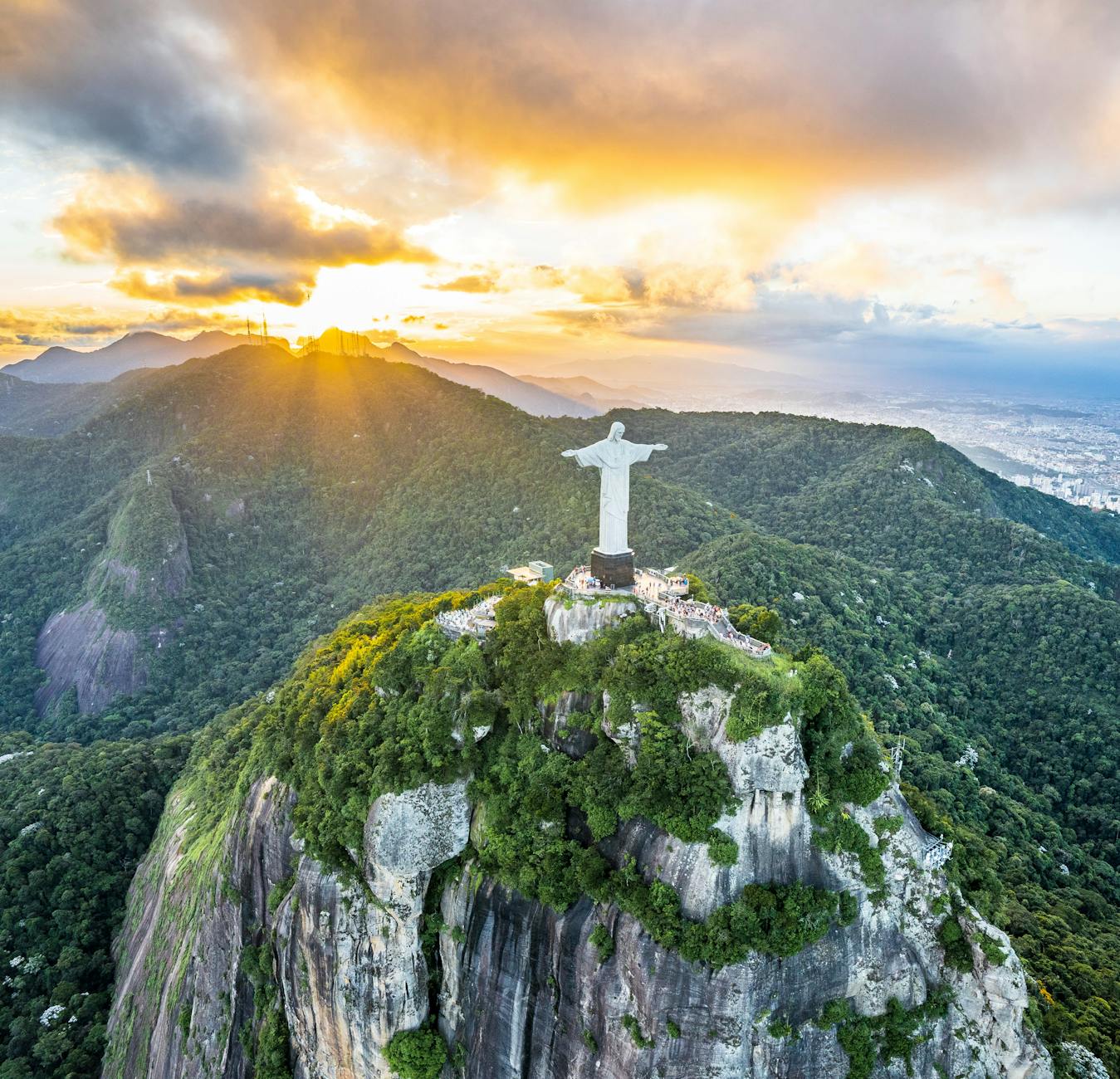
Rio de Janeiro, often referred to simply as Rio, is a city that embodies the spirit of Brazil through its vibrant culture, stunning landscapes, and rich history. Rio de Janeiro history started in 1565 by the Portuguese, and the city has evolved from a small settlement into one of the largest cities in South America. The city played a pivotal role in Brazil’s colonial history and later blossomed into a cultural hub known for its music, food, and festivals. In this article, we will delve into the multifaceted history of Rio de Janeiro, exploring its indigenous roots, colonial past, and its journey through significant cultural and political changes. From the majestic Sugarloaf Mountain to the lively Copacabana beach, we will uncover the events that shaped this extraordinary city, illustrating its remarkable resilience and spirit.
The Indigenous Influence and Early Settlements
The area that is now Rio de Janeiro was originally inhabited by indigenous tribes, including the Tupi and Guarani people. Their rich culture, traditions, and connection to the land laid the foundation for the city that would emerge in centuries to come. The Tupi, known for their agricultural practices and social structures, thrived along the coastal regions, utilizing the abundant natural resources.
In the early 16th century, before the Portuguese established a foothold in the region, European explorers had begun to chart the Brazilian coastline. However, it wasn’t until 1565 that Estácio de Sá and his men formally founded the city of Rio de Janeiro. The site was chosen strategically, located within a naturally sheltered bay surrounded by lush mountains, which offered a ripe environment for settlement and defense against potential enemies.
Upon their arrival, the Portuguese encountered the local indigenous populations, leading to complex interactions. The early years of the settlement were marked by conflicts as the colonizers sought to assert their control over the land. The indigenous groups resisted, leading to skirmishes and a struggle for dominance. This period was significant in the shaping of Rio’s future as settlers began to establish their own communities, setting the stage for deeper colonization.
As the city grew, the Portuguese began to import enslaved Africans to work on sugar plantations and in urban settings. These enslaved individuals contributed significantly to the development of the region, bringing their own cultural practices, beliefs, and skills. The synthesis of indigenous, African, and European cultures would eventually define Rio’s unique identity. The blending of these influences manifested in music, dance, religion, and cuisine, creating a rich tapestry that would continue to evolve over centuries.
The settlement of Rio de Janeiro was not merely a starting point for colonization; it also laid the groundwork for what would become one of the most significant urban centers in the Americas. During this early period, the establishment of Jesuit missions was crucial in the conversion and education of the indigenous peoples. Jesuits played a vital role in the cultural exchange, teaching literacy and agricultural techniques. However, their presence was also a source of conflict, as they opposed the enslavement of indigenous people.
Throughout the late 16th century, the city continued to flourish, with the growth of commerce and trade. The strategic location of Rio de Janeiro allowed it to serve as a key port for goods traveling between Europe and the Americas. The bustling activity of the port attracted settlers and traders from various backgrounds, further enhancing the cultural diversity of the nascent city.
As we transition into the next phase of Rio’s history, it is essential to recognize how these early interactions laid the foundation for a multi-ethnic society. The legacy of the indigenous peoples and the resultant cultural amalgamation would resonate throughout the city’s evolution, influencing everything from its architecture to its artistic expressions.
Colonial Era: The Establishment of the City
The arrival of the Portuguese in the 16th century marked the beginning of a new era in Rio de Janeiro’s history. Established as a strategic port city, Rio was initially viewed through the lens of its economic potential. The choice of location at the entrance of Guanabara Bay was fortuitous; it provided not only natural beauty but also a protective harbor ideal for trade. The colonial era was characterized by conflicts with indigenous tribes and the establishment of the sugar cane industry, which would come to dominate Brazil’s economy.
Initially inhabited by a mixture of Portuguese settlers and indigenous peoples, the city’s early growth was fraught with challenges. The settlers faced resistance from the Tupi and Guarani tribes, leading to violent confrontations. However, as the number of settlers increased, alliances were sometimes formed, resulting in a complicated relationship that oscillated between cooperation and conflict.
By the late 17th century, Rio de Janeiro began to emerge as an important economic hub, largely due to the burgeoning sugar trade. As the economy expanded, so did the influx of enslaved Africans, who provided the labor force necessary for the sugar plantations. This created a deeply entrenched system of slavery that would have profound implications for Brazilian society and its culture.
The social structure of colonial Rio was hierarchically stratified, with Portuguese colonizers and their descendants often at the top of the social ladder. The enslaved Africans and indigenous populations were relegated to the margins, facing marginalization and exploitation. However, the blending of cultures began to take root, with enslaved Africans contributing their knowledge of agriculture and their rich cultural traditions, which began to permeate the broader society.
The colonial era also saw significant infrastructure developments, driven by the need for better trade routes and urban planning. The construction of roads, buildings, and churches reflected European architectural styles while also incorporating local materials and aesthetics. These developments would leave a lasting imprint on the city’s landscape, establishing a city that was both functional and visually striking.
The impact of religion during this period cannot be overlooked. The Catholic Church played a pivotal role in the lives of the settlers and enslaved individuals alike. Churches and missions provided social services, education, and spiritual guidance, shaping the cultural life of Rio. The influence of the church can still be seen in the many historic churches that dot the city today.
As the 18th century approached, the economic landscape began to shift yet again with the discovery of gold in the nearby regions of Minas Gerais. This led to an influx of wealth into Rio de Janeiro, further solidifying its status as the colonial capital of Brazil. The city became the center of a flourishing trade network, attracting merchants and artisans from various parts of the world.
In summary, the colonial era was fundamentally about establishing control, economic exploitation, and cultural production that would shape the identity of Rio de Janeiro. The experiences of indigenous peoples, enslaved Africans, and European settlers intertwined, creating a complex social fabric that set the foundation for the city’s future.
The Golden Age: Cultural and Economic Flourishing
As Rio de Janeiro transitioned into the 18th century, it was poised on the brink of considerable change. The discovery of gold in the interior of Brazil led to a period often referred to as the “Golden Age” of Rio, marked by significant economic growth and a cultural renaissance. This period would profoundly shape the social and economic landscape of the city, positioning it as a central player in both Brazilian and global contexts.
The influx of gold seekers and fortune hunters from all over Portugal and beyond transformed the city into a bustling cosmopolitan center. The population boomed, leading to an increased demand for goods, services, and housing. This surge in economic activity attracted merchants, artisans, and laborers, resulting in a diverse cultural mosaic. As wealth flowed into the city, the local elite began to invest in various cultural, artistic, and architectural projects.
Architectural developments during this golden age were ambitious, reflecting both local tastes and European influences. Baroque and neoclassical styles dominated the city’s skyline, with the construction of grand churches, palaces, and public buildings. Notable structures from this period include the Cathedral of São Sebastião and the Royal Palace. These buildings not only showcased the city’s newfound wealth but also served as symbols of power and authority during this prosperous time.
Cultural expressions flourished as well. Rio became a hub for artistic and literary movements, with a vibrant community of writers, musicians, and artists contributing to the cultural landscape. The city hosted numerous cultural events and festivals, which celebrated both European traditions and local customs. Music genres like samba and choro began to emerge, drawing inspiration from African, indigenous, and Portuguese roots. These musical forms would come to define Rio’s identity and continue to resonate far beyond its borders.
Education also saw significant advancements during the golden age. The establishment of educational institutions fostered a climate of intellectual curiosity and inquiry. Advancements in science, philosophy, and the arts proliferated as schools and universities began to attract scholars and students alike. This intellectual ferment contributed to a growing sense of national identity and pride among the citizens of Rio.
The Brazilian independence movement, gaining momentum during the late 18th and early 19th centuries, was inextricably linked to the socio-economic changes of this golden age. The wealth that flowed into Rio, coupled with its burgeoning middle class, fostered an environment of political consciousness and reformist ideas. Intellectuals and activists began to question colonial rule and advocate for greater autonomy from Portugal, setting the stage for the eventual independence of Brazil.
However, this period was not without its challenges. The rapid economic growth led to stark social inequalities. The elite’s wealth contrasted sharply with the poverty experienced by the working class and enslaved populations. Discontent simmered beneath the surface, as the harsh realities of life for many clashed with the opulence surrounding them. This tension would bubble over in the coming decades as demands for social justice and reform became increasingly vocal.
In conclusion, the golden age of Rio de Janeiro marked a pivotal chapter in the city’s history. It was a time of wealth and cultural flourishing, but also of social struggles and contradictions. This period laid the groundwork for the city’s modern identity, instilling a blend of affluence, cultural richness, and a burgeoning sense of national pride.
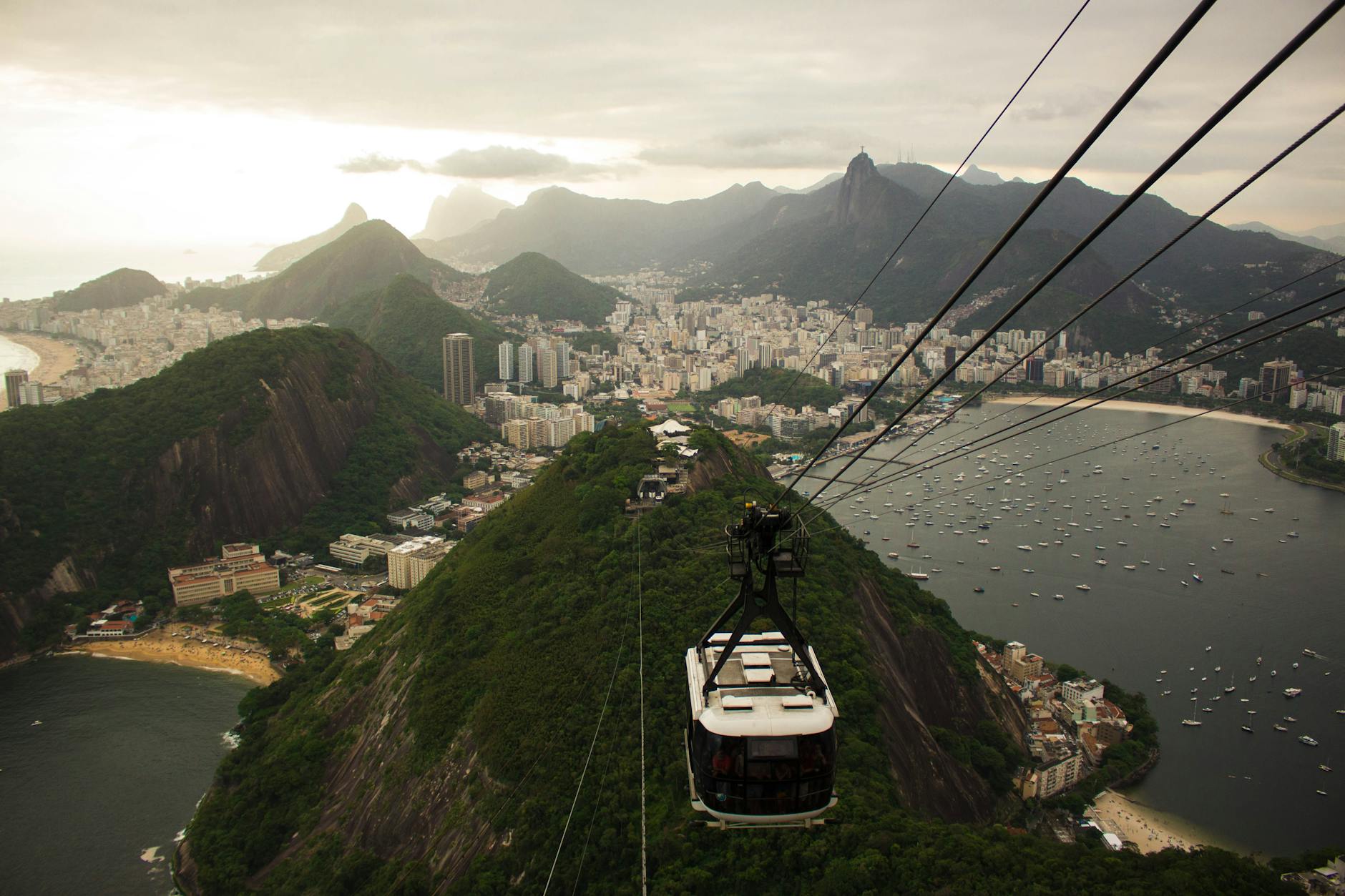
Photo by Aline Cardoso on Pexels.com
Transition to Modernity: The 19th and 20th Centuries
The 19th and early 20th centuries were transformative periods in Rio de Janeiro’s history, characterized by profound political, social, and cultural shifts. This era ushered in modernization and urbanization that would help shape the future of the city and its inhabitants. The backdrop to this transformation was painted with the interplay of national independence, abolitionism, and the influx of immigrants.
In 1822, Brazil declared its independence from Portugal, and with it, Rio de Janeiro became the capital of the newly established Brazilian Empire under Emperor Pedro I. This period of independence marked a significant shift in the political landscape of the nation, as the center of power shifted from colonial authorities to Brazilian leaders. The city’s status as the capital facilitated the growth of national institutions and modernization efforts, which were necessary for the young nation to assert itself on the global stage.
The shift from monarchy to a republic in 1889 further impacted Rio’s trajectory. The republic brought about various reforms aimed at alleviating social inequality and modernizing the economy. Investments in infrastructure flourished as the government prioritized urban development, resulting in the expansion of public services, transportation networks, and housing. Innovations in sanitation and public health also became focal points for the city, alleviating some of the pressing issues it faced as its population grew exponentially.
However, the transition to modernity was not without strife. The abolition of slavery in 1888 brought about significant social change but also revealed underlying tensions within society. The freed enslaved individuals often faced systemic racism and exclusion, forcing many into impoverished neighborhoods and informal economies. The issues stemming from unequal access to opportunities contributed to rising social unrest and demands for better living conditions and rights.
The demographic landscape of Rio changed dramatically as waves of European immigrants arrived throughout the late 19th and early 20th centuries. Italians, Germans, and Spaniards settled in various neighborhoods, further enriching the city’s cultural fabric. This influx of immigrants contributed to the diversification of customs, culinary practices, and languages spoken in Rio. The convergence of different cultural influences facilitated artistic movements that would define the city, such as modernist literature and tropicalismo in the musical spheres.
Culturally, Rio thrived during this period. The city became a significant center for the arts, promoting cinematic, literary, and theatrical movements. The establishment of the Brazilian Academy of Letters in 1897 emphasized the importance of a national literary identity, giving rise to noteworthy authors who explored themes of identity and belonging. Art deco architecture flourished as a prosperous middle class sought to represent their cultural sentiments through architecture and public spaces, exemplified in the construction of the Municipal Theatre and other iconic buildings.
The rise of samba as a popular music genre during this period coincided with the birth of the famed Carnival celebrations that Rio is now known for. The fusion of African rhythms, European melodies, and local traditions created a vibrant celebration that attracted locals and tourists alike. Carnival evolved from a small community festival into a symbol of national pride, showcasing the diverse cultural identities that coexist within Rio.
The early 20th century also witnessed political turmoil, with a series of coups and social movements arising from the demands of labor rights and political reforms. Students, workers, and intellectuals mobilized, advocating for social changes that would address the inequities faced by the underprivileged. Their efforts in pursuit of social justice laid the groundwork for future movements dedicated to equality.
In conclusion, the transition to modernity in Rio de Janeiro during the 19th and early 20th centuries was a defining period of transformation. The city emerged as a center of political and cultural significance, while also grappling with deep-seated social issues. The legacy of this era would continue to resonate, influencing subsequent generations to grapple with issues of class, race, and identity that challenge the city even today.
Contemporary Rio: Challenges and Triumphs
Rio de Janeiro in the 21st century represents a multifaceted city, balancing its rich history with the pressing challenges of modernization and urban development. While the city is celebrated for its natural beauty, cultural vibrancy, and festive spirit, it also faces significant issues such as economic disparities, violence, and environmental degradation. This contemporary landscape requires understanding both the triumphs and tribulations that characterize Rio today.
Economic inequality remains one of the most pressing challenges facing Rio de Janeiro. Despite being one of the wealthiest cities in Brazil, the wealth distribution is highly skewed, with stark contrasts visible between affluent neighborhoods and favelas (informal settlements). The legacy of systemic inequalities persists, and many residents in favelas lack access to essential services, such as healthcare, education, and employment opportunities. Efforts to address these disparities have been slow and often hampered by political instability and corruption.
Gun violence and crime further complicate the social fabric of Rio. Homicide rates have remained high, and armed gangs exert control over many areas of the city, particularly favelas. These challenges are exacerbated by the drug trade, poverty, and lack of resources for community development. Responding to these issues requires nuanced approaches that prioritize community engagement, economic opportunities, and comprehensive violence prevention programs.
On the other hand, Rio’s cultural and artistic scenes continue to thrive. The city remains a hotspot for music, dance, art, and festivals that celebrate its diverse heritage. The annual Carnival, drawing millions of locals and tourists alike, has solidified Rio’s reputation on the global stage. Local samba schools and cultural groups keep alive the rhythms and traditions that define the city, fostering a sense of identity and unity among its residents.
Cultural investments and initiatives have gained momentum in recent years, promoting programs that aim to uplift marginalized communities. Educational programs, cultural exchanges, and initiatives that focus on social inclusion have emerged as vital players in addressing inequality and fostering community identity. These grassroots movements illustrate the resilience of Rio’s people, united in their quest for social change.
Additionally, the development of sustainable practices is gaining traction in contemporary Rio. Urban planning efforts that prioritize green space, recycling, and public transportation are essential in addressing the city’s environmental challenges. As climate change increasingly poses risks to coastal cities, Rio is working to develop strategies for sustainable urban environments that enhance quality of life for all residents. Programs aimed at revitalizing waterfront areas and increasing public access to parks are underway, demonstrating a commitment to preserving the city’s natural beauty.
The hosting of major international events like the 2014 FIFA World Cup and the 2016 Summer Olympics propelled Rio into the global spotlight, but these events also triggered debates about the impacts on local communities. While these events brought investment and attention, they also raised concerns over the forced displacement of residents and the prioritization of profits over community welfare. The lessons learned from these high-profile events continue to shape urban policies in Rio, emphasizing the need for inclusivity and accountability.
In the face of these ongoing challenges, the spirit of Rio de Janeiro endures. The resilience of its people to navigate adversity, celebrate their culture, and advocate for change is a testament to the city’s character. While the future may present uncertainties, the potential for growth, cultural fusion, and social transformation remains alive in the heart of Rio.
Conclusion
The history of Rio de Janeiro is a tapestry woven from the threads of its indigenous roots, colonial past, and modern struggles. From its origins as a coastal settlement to its rise as a vibrant cultural hub, the city reveals the complexities of identity and resilience. The historical events of the past — from the interactions between indigenous peoples and European settlers to the challenges posed by slavery and social inequality — shape the contemporary realities of Rio de Janeiro.
As we reflect on the journey of this remarkable city, it is imperative to recognize the ongoing challenges that persist, such as economic disparities, violence, and environmental issues. The triumphs of Rio, exemplified through its cultural richness, artistic expressions, and community resilience, stand in stark contrast to these struggles, emphasizing the need for collective action toward a more equitable future.
In understanding Rio’s history, we gain insight into the social dynamics that continue to evolve, illuminating paths toward progress and unity. As Rio de Janeiro moves forward, its ability to embrace both its challenges and triumphs will determine the trajectory of its identity, paving the way for future generations to celebrate and build upon the legacy established by those before them.
Sources
- “A History of Brazil” by E. Bradford Burns
- “Rio de Janeiro: A Cultural History” by John Dickie
- “The Brazilian Economy: Growth and Development” by Werner Baer
- “Samba: Resistance in Motion” by Marc A. Schade-Poulsen
- “The favelas of Brazil: an overview” by G. B. F. W. Rodrigues
- Official websites of Rio de Janeiro cultural institutions and government cultural initiatives