
Introduction
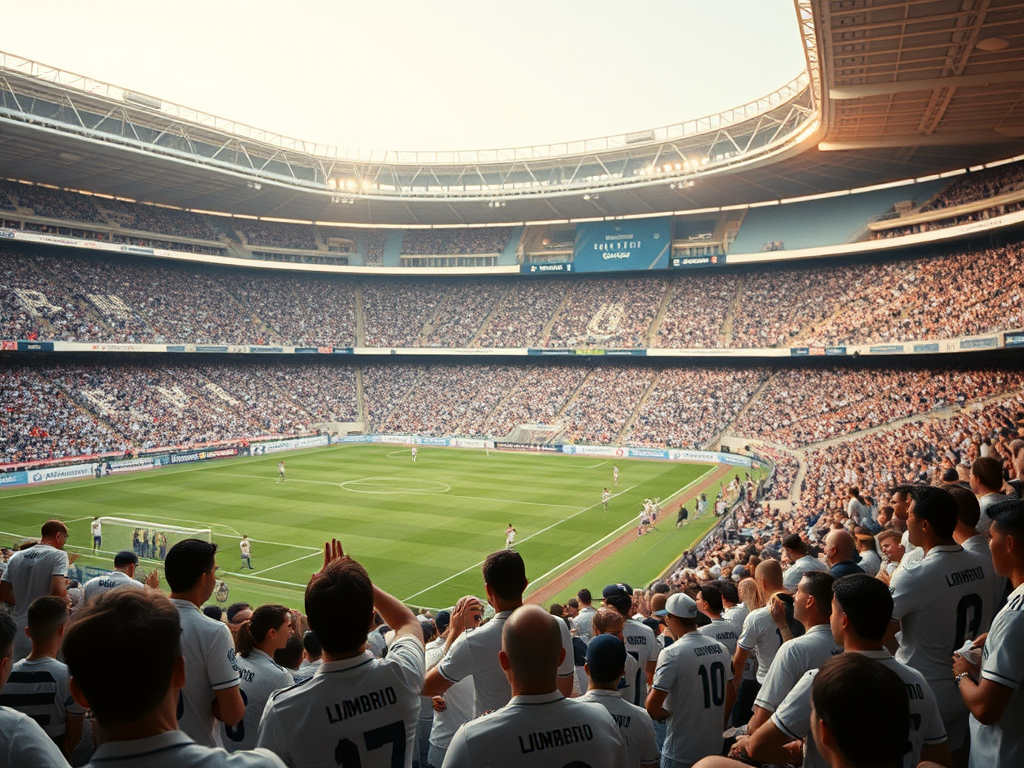
Real Madrid, one of the world’s most celebrated football clubs, has a legacy spanning more than a century. Since its establishment in 1902, the club has been renowned for its dedication to excellence, innovation in football, and countless trophies. Real Madrid’s history is marked by legendary players, including Di Stéfano, Zidane, Ronaldo, and more recently, Cristiano Ronaldo. This journey takes us through the club’s formative years, its rise to global prominence, and the way it has consistently set standards in world football. Real Madrid is not just a club; it’s a symbol of sportsmanship, ambition, and tradition.
Founding Years and Early Successes (1902-1940)
The story of Real Madrid begins in 1902, when a group of enthusiasts in Madrid established a football club known as “Madrid Football Club.†The idea of organized football was still gaining ground in Spain, inspired by the sport’s popularity in England. The initial years were challenging, as football in Spain was still largely informal and unstructured. However, Madrid FC quickly gained popularity and became a focal point for sports fans in the Spanish capital. In 1905, the club claimed its first major trophy, winning the Copa del Rey—a significant achievement that established its place in Spanish football.
In 1920, Madrid FC was granted royal patronage by King Alfonso XIII, officially becoming “Real Madrid,†or “Royal Madrid.†This royal endorsement helped boost the club’s prestige and visibility. With its new status, Real Madrid sought to strengthen its influence in both Spanish and European football. Real Madrid’s early success in the Copa del Rey, alongside developing a solid fan base, allowed the club to stand out from its rivals. During these years, the club also built its first official stadium, the Campo de O’Donnell, which became an iconic venue for Spanish football.
The 1930s brought challenges with the onset of the Spanish Civil War (1936-1939), which disrupted football activities across the nation. However, Real Madrid’s reputation and legacy endured. Despite these turbulent times, Real Madrid maintained a level of organization and ambition that set it apart from many other clubs. The club’s commitment to professionalism and sportsmanship during this period solidified its reputation as a pioneering institution within Spanish football.
During this early era, Real Madrid faced off against various teams in regional leagues and the Copa del Rey, establishing intense rivalries, including the famous competition with FC Barcelona, known as “El Clásico.†These matches captivated fans across Spain and highlighted Real Madrid’s competitive spirit, further establishing the club as a national symbol. By the 1940s, Real Madrid had set a solid foundation, ready to reach new heights in Spanish and European football.
Post-War Rise and the Era of Di Stéfano (1940s-1960s)
Following the conclusion of World War II, European football entered a transformative phase, and Real Madrid was primed to capitalize on this era of change. The club sought to rebuild and reorganize, positioning itself as a premier team within both Spain and Europe. One of the most pivotal moments in the club’s history occurred in the early 1950s, when Santiago Bernabéu, a former player and visionary club president, initiated a series of bold moves that would forever reshape Real Madrid. Bernabéu’s ambition was not merely to dominate Spanish football but to create an enduring legacy on the European stage.
Under Bernabéu’s leadership, Real Madrid attracted top talent, but no acquisition was as impactful as that of Alfredo Di Stéfano, the Argentine forward who joined in 1953. Di Stéfano’s arrival marked the beginning of an unparalleled golden era for Real Madrid. His dynamic playing style, extraordinary vision, and ability to score consistently made him an instant sensation. With Di Stéfano at the helm, Real Madrid not only dominated Spanish football but also became a force in European competitions.
This period was also marked by Real Madrid’s involvement in the establishment of the European Cup, the precursor to today’s UEFA Champions League. Bernabéu was a key advocate for this tournament, believing that Europe needed a club competition that brought together the continent’s best teams. Real Madrid’s commitment to the European Cup was more than competitive—it was a philosophical stance aimed at positioning the club as a global icon of football.
Between 1955 and 1960, Real Madrid’s success was unmatched. The club won five consecutive European Cups, a feat that remains one of the most remarkable in sports history. Di Stéfano, alongside legends like Ferenc Puskás and Paco Gento, led Real Madrid to triumph after triumph. Their skill, teamwork, and winning mentality elevated Real Madrid to new heights, making it the team to beat across Europe. These years not only strengthened Real Madrid’s competitive identity but also laid the groundwork for the club’s “never give up†ethos, which persists today.
This period, known as the “Di Stéfano Era,†established Real Madrid’s place among football’s elite. Di Stéfano’s influence went beyond his playing years, as he remained an important figure in the club, later becoming an honorary president. This era was a transformative phase, shaping Real Madrid’s identity as a club that was not content with national success but instead aspired for global dominance.
European Dominance and the Creation of a Football Dynasty (1955-1970)
Real Madrid’s entry into European competitions in the 1950s set a standard of excellence that would solidify its reputation for generations. Following the club’s initial five consecutive European Cup victories from 1956 to 1960, Real Madrid established itself as the epitome of European football excellence. Under the leadership of Santiago Bernabéu and fueled by star players like Alfredo Di Stéfano and Ferenc Puskás, Real Madrid’s European campaign transformed the club into a global phenomenon. The club’s style, ambition, and unyielding pursuit of titles became key characteristics of its identity, as Real Madrid set an early precedent for European success.
In 1960, Real Madrid achieved one of its most legendary victories in the European Cup final by defeating Eintracht Frankfurt 7-3. This final, played in Glasgow in front of nearly 127,000 spectators, is remembered as one of the greatest performances in European football history. Di Stéfano and Puskás scored all seven goals, cementing their status as icons and propelling Real Madrid into an era of unmatched dominance. This victory also showcased the club’s “total football†approach, blending technique, power, and strategy, which influenced future generations and left a lasting impact on European football.
The European dominance of Real Madrid extended beyond the pitch as well. The club’s success motivated other Spanish clubs and intensified rivalries, particularly with Barcelona. This competition fueled the concept of “El Clásico,†as fans across Europe became captivated by the fierce rivalry that symbolized more than just football. Real Madrid’s success also led to the professionalization and commercialization of football in Spain, with higher attendance rates, media coverage, and financial investments that would shape the future of the sport.
During this period, Real Madrid’s status as a “dynasty†became firmly entrenched. Winning six European Cups in just over a decade, Real Madrid set a record that would remain unbeaten for decades. This success was not only due to individual talent but also to the club’s organizational strategies and commitment to excellence. Santiago Bernabéu’s vision of a football institution capable of competing at the highest levels spurred developments in training facilities, scouting, and youth academies, all designed to ensure that Real Madrid remained competitive on both the national and international stages.
As the 1970s approached, Real Madrid faced challenges as its golden generation aged. However, the dynasty had already left an indelible mark on football. The club’s legacy was carried forward by future players who aspired to live up to the standards set during these years. Real Madrid’s dominance in the European Cup laid the foundation for its future ambitions and achievements, inspiring both the club and its fans to constantly strive for success. Real Madrid’s European dominance in the mid-20th century was more than a series of victories; it was a phenomenon that set the tone for modern football and reinforced the club’s identity as one of the world’s greatest sports institutions.
Revitalization in the Galácticos Era (2000s)
The dawn of the 21st century marked a new era for Real Madrid, both on and off the pitch, with the inception of the “Galácticos†era. The club’s president, Florentino Pérez, orchestrated a transformative plan to bring in world-class players and globalize Real Madrid’s brand. His approach emphasized not only sporting success but also marketing potential, and he quickly sought to sign high-profile players who could attract worldwide attention. This ambitious project set Real Madrid on a path toward reinvention, and the term “Galácticos†became synonymous with the club’s new vision.
In 2000, Pérez’s acquisition of Portuguese superstar LuÃs Figo was the first major move, and it made global headlines, especially due to the fact that Figo transferred from arch-rival FC Barcelona. His arrival marked the beginning of an era where superstars such as Zinedine Zidane, Ronaldo Nazário, David Beckham, and Roberto Carlos joined the team. These signings elevated Real Madrid to the forefront of football, but the Galácticos project was not without its challenges. The club’s focus on star power led to increased scrutiny, as fans and analysts debated the sustainability of prioritizing marquee players over a more balanced, cohesive squad.
On the field, the Galácticos era brought mixed results. Real Madrid won La Liga titles in 2001 and 2003, as well as the UEFA Champions League in 2002, where Zidane’s spectacular volley in the final against Bayer Leverkusen became one of the most iconic goals in football history. Despite these achievements, the club struggled with consistency. While Real Madrid dazzled in some matches, it struggled in others, often due to the imbalance between its attacking prowess and defensive solidity. The Galácticos model was commercially successful but left fans and critics divided regarding its long-term impact on the club’s legacy.
Off the pitch, however, Real Madrid’s approach was a resounding success. The Galácticos project boosted the club’s financial performance, expanded its global fanbase, and positioned Real Madrid as one of the wealthiest sports clubs in the world. The club leveraged the fame of its players to secure sponsorships, media deals, and merchandise sales, making Real Madrid a household name across continents. This commercial success allowed the club to reinvest in facilities, youth development, and scouting networks, which would pay dividends in later years.
As the Galácticos era came to an end, Real Madrid had succeeded in modernizing its brand and securing its status as a global institution. While the focus on individual stars generated excitement, it also highlighted the importance of teamwork and structure in achieving sustained success. The lessons learned during this period informed future decisions at the club and influenced Real Madrid’s approach to building competitive teams in the years that followed. The Galácticos era remains one of the most fascinating chapters in Real Madrid’s history, a period defined by ambition, spectacle, and the challenge of balancing commercial success with on-field performance.
Modern Era and Global Influence (2010-Present)
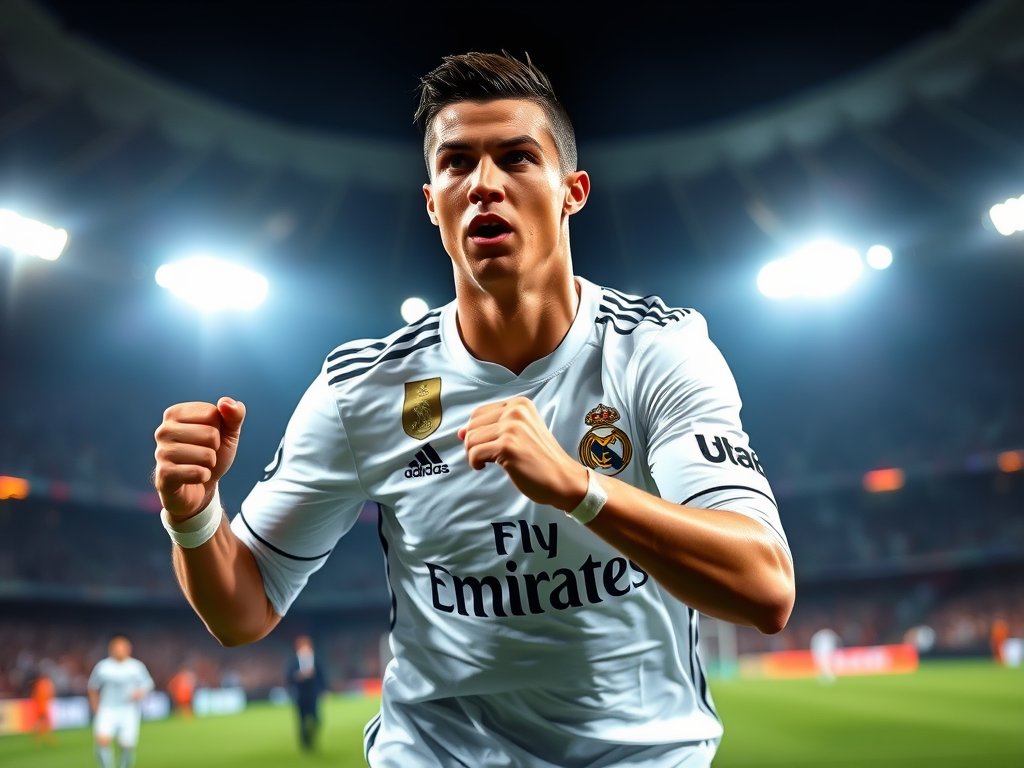
The modern era has seen Real Madrid elevate its legacy to unprecedented heights. Under the leadership of presidents Florentino Pérez and the managerial guidance of coaches like José Mourinho, Carlo Ancelotti, and Zinedine Zidane, Real Madrid has built a team capable of dominating on a global scale. One of the defining aspects of this era has been the return to a balanced squad, integrating youth and experience while pursuing trophies with an unrelenting drive. This period saw the arrival of superstar Cristiano Ronaldo in 2009, a transformative addition who would become the club’s all-time top scorer.
Real Madrid’s achievements during this period have been extraordinary, particularly in the UEFA Champions League. Between 2014 and 2018, Real Madrid won four Champions League titles, including a historic “three-peat†from 2016 to 2018, a feat unmatched in the modern era. Zidane, as the head coach, was instrumental in leading the team through this period of dominance. Players like Ronaldo, Karim Benzema, Luka Modrić, and Sergio Ramos exemplified Real Madrid’s dedication to teamwork, resilience, and high performance, cementing the club’s reputation as the ultimate force in European football.
Off the field, Real Madrid continued to strengthen its brand and engage with fans worldwide. The club embraced digital media, expanded its merchandising reach, and capitalized on its players’ global appeal to solidify its position as a football powerhouse. Real Madrid’s success in blending tradition with modernity has allowed it to maintain relevance and attract a new generation of supporters, ensuring that its influence extends well beyond the pitch.
Conclusion
Real Madrid’s history is a tale of passion, resilience, and innovation. From its early years to its position as a global footballing institution, the club has constantly pursued excellence and adapted to changing times. The dedication to winning, coupled with a commitment to maintaining its legacy, has made Real Madrid more than just a football club—it is a symbol of ambition and sportsmanship. Today, Real Madrid stands as an enduring example of what can be achieved through vision and determination, inspiring fans and players alike to dream big and strive for greatness.







[…] del Rey Final in Chaos: Real Madrid Boycotts Events After Referee’s “Thief” […]
[…] Real Madrid‘s Carvajal Risks Suspension After Copa del Rey Sideline Tirade […]
[…] Real Madrid players are almost always in the selection for the Ballon d’Or. This year, star striker […]