Introduction
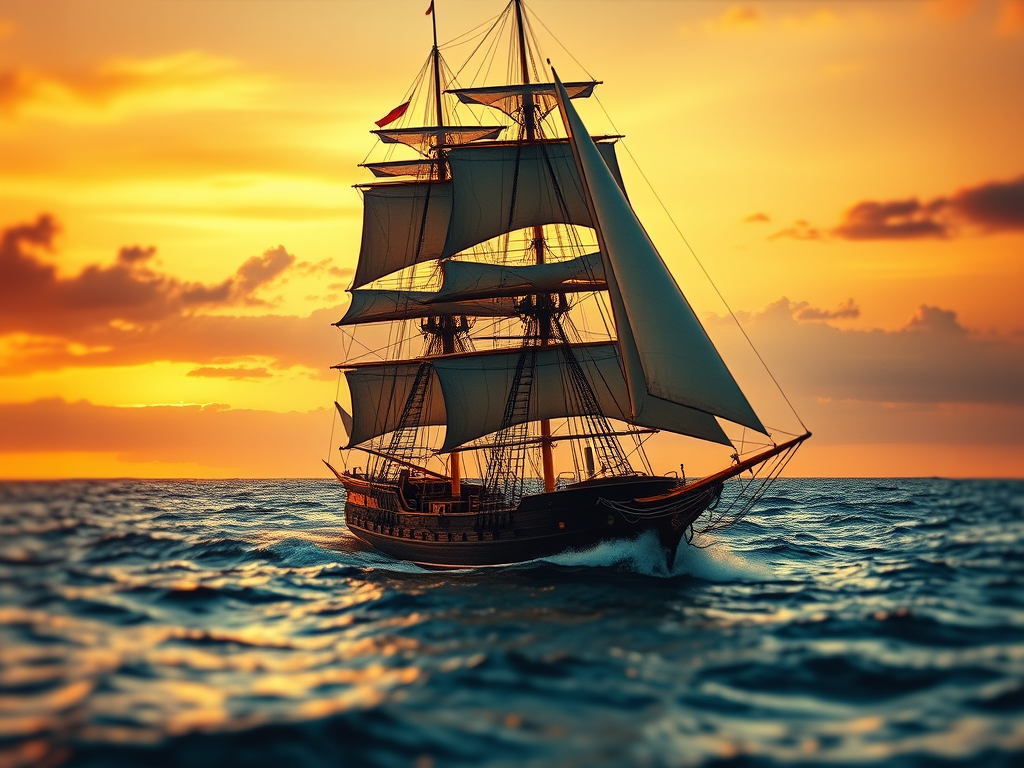
The first circumnavigation of the globe stands as a landmark achievement in maritime exploration, showcasing the bravery and determination of those who dared to venture into uncharted waters. Led by the Portuguese navigator Ferdinand Magellan, this monumental expedition not only redefined geographical knowledge but also demonstrated the complexities of global navigation and the cultural encounters it bred. Departing from Spain in 1519, Magellan embarked on a perilous journey that ultimately changed the course of history, leading to the first complete navigation around the Earth. This article delves into the myriad facets of this epic journey, highlighting the historical context, Magellan’s background, the trials faced during the voyage, significant encounters, and the lasting impact of this endeavor on world exploration.
The Historical Context of the Age of Exploration
The Age of Exploration, spanning from the late 15th century to the early 17th century, marked a transformative period in world history. Driven by the quest for new trade routes, wealth, and territorial expansion, European nations embarked on ambitious maritime expeditions that changed the global landscape. The competition among powers such as Spain, Portugal, England, and France fueled innovations in navigation and shipbuilding, leading to the exploration of previously uncharted territories.
During this era, the fall of Constantinople in 1453 and the subsequent rise of the Ottoman Empire shifted trade dynamics, prompting European nations to seek alternative routes to Asia for spices, silk, and other luxury goods. The traditional land routes became perilous, and the need for maritime exploration became imperative. The Portuguese were pioneers in this regard, establishing trade routes along the coast of Africa and venturing down to India. These navigators developed advanced techniques in cartography and celestial navigation, which laid the groundwork for more ambitious explorations.
Ferdinand Magellan’s expedition was emblematic of the era’s adventurous spirit. Unlike other explorers who focused primarily on Africa and Asia, Magellan sought to find a westward route to the Spice Islands (the Moluccas). His proposal to Spain came at a time when competition with Portugal was fierce, and Spain was eager to expand its influence in the East Indies. Magellan, despite being Portuguese, convinced the Spanish crown to sponsor his voyage.
His journey was also notable for its ambition to complete the circumnavigation of the globe—a concept that was still largely theoretical at the time. The understanding of the Earth’s dimensions, the vastness of the Pacific Ocean, and the complexities of global currents were yet to be fully grasped. This context set the stage for Magellan’s extraordinary venture, one that would require not only skillful navigation but also immense resilience against the unpredictable forces of nature and human conflict.
Magellan’s expedition departed from Seville on September 20, 1519, with five ships: Trinidad, San Antonio, Concepción, Victoria, and Santiago, carrying a crew of over 200 men. The journey would take three years and traverse thousands of miles across vast and largely unexplored oceans, encountering various cultures, climates, and challenges.
The Age of Exploration was a time of great ambition, fraught with danger and uncertainty. Explorers like Magellan pushed the boundaries of the known world, fueled by the desire for discovery, wealth, and glory. The significance of Magellan’s circumnavigation cannot be overstated; its impact reverberates through history even today, as it fundamentally reshaped the understanding of global geography and the interconnectedness of diverse cultures.
Ferdinand Magellan: Early Life and Inspirations
Ferdinand Magellan was born in 1480 in the Portuguese town of Sabrosa, located in the northern region of Portugal. As a young man, he showed a keen interest in exploration and navigation, influenced by the rising tide of maritime adventures that were sweeping through Europe during the Age of Exploration. Despite the limitations of his social rank as the son of a minor noble, his relentless ambition and obsession with the sea would soon set him on a path toward greatness.
During his formative years, Magellan sailed under the Portuguese flag, gaining valuable experience in navigation and maritime warfare. He participated in several expeditions along the African coast and was involved in military campaigns against Muslim forces in the Indian Ocean. These early experiences greatly enhanced his navigational skills and understanding of maritime combat, shaping him into a formidable seafarer.
In 1505, Magellan was assigned to a fleet bound for India, where he witnessed the burgeoning trade networks established by the Portuguese. This exposure ignited his passion for exploration further, and he developed an ambition to find a new route to the Spice Islands. Despite his successes, Magellan’s relations with the Portuguese crown began to deteriorate, leading him to seek opportunities elsewhere.
In 1517, Magellan proposed an ambitious plan to King Charles I of Spain. His proposal aimed to find a westward route to the Spice Islands, believing that he could navigate through a passage that would connect the Atlantic and Pacific Oceans. At the time, Spain was primarily focused on exploring the Americas, but after much persuasion, the king agreed to finance Magellan’s expedition. He was motivated by the potential riches that could be garnered from the Spice Islands, which were the source of valuable spices such as cloves and nutmeg.
His decision to sail under the Spanish flag was a remarkable turn, especially considering the rivalry between Spain and Portugal. This choice stemmed from his desire to explore, coupled with a feeling of betrayal by the Portuguese crown. Magellan’s single-minded focus and determination to succeed would ultimately lead to a historic clash of cultures and an unprecedented journey.
In 1519, Magellan set sail from Seville, commanding a fleet of five ships and a multicultural crew. His journey was fraught with challenges, including navigating complex political dynamics, maintaining crew morale, and confronting the uncertainties of uncharted waters. His ability to lead and inspire others became evident as he embarked on his voyage, which would eventually redefine humanity’s understanding of the globe and its vast interconnectedness.
Magellan’s early life and inspirations were critical in forming the leader he would become. His background provided him with the necessary experiences and skills, while his ambition and determination pushed him to seek out a path that would ultimately change history. The legacy of Magellan is one of courage and tenacity, symbolizing the very essence of exploration during one of the most transformative periods in human history.
The Voyage Begins: Magellan’s Departure and Initial Challenges
The first circumnavigation of the globe began on September 20, 1519, when Ferdinand Magellan and his fleet set sail from the port of Seville, Spain. The journey marked the beginning of a monumental expedition that would encounter significant challenges, both at sea and among the diverse cultures they would encounter. Magellan’s fleet comprised five ships: Trinidad, San Antonio, Concepción, Victoria, and Santiago, carrying approximately 270 men eager for adventure and exploration.
The initial leg of the journey took the fleet down the western coast of Africa, where they made their way towards the Cape Verde Islands before crossing the Atlantic Ocean. The challenges of sailing during this time were immense; navigators relied on rudimentary tools and often faced unpredictably harsh weather conditions. The crew encountered issues with scurvy, a disease caused by vitamin deficiency during prolonged sea voyages, and the lack of variety in their diet took a toll on the sailors’ health.
The voyage’s first major setback occurred in the Canary Islands when the San Antonio, the fleet’s flagship, failed to maintain the desired speed, falling behind the rest of the fleet. This event foreshadowed the strife and discord that would plague the journey. There was tension among the crew members, exacerbated by the long days at sea and the challenges of maintaining morale while venturing into the unknown. Magellan faced the difficult task of uniting his multicultural crew, which included sailors from Portugal, Spain, Italy, and other nationalities, all of whom had diverse languages and customs.
Upon leaving the Canary Islands, the fleet pushed onward into the Atlantic, navigating treacherous waters marked by unpredictable winds and currents. The expedition traveled for several weeks without sighting land, leading to increasing unease among the crew who were anxious about whether they would ever reach their intended destination. However, Magellan’s unwavering determination and leadership helped to maintain discipline and focus, as he reassured the crew that they were on the brink of making a significant breakthrough.
As the days turned into weeks, the fleet finally approached the coast of Brazil in December 1519. The sighting of land brought much-needed relief to the crew, allowing them to replenish their supplies and repair their ships. However, the challenges were far from over. The expedition faced difficulties navigating the complex river systems and dealing with local indigenous populations who were unfamiliar with the European explorers.
Unfamiliar territorial disputes emerged, as some crew members attempted to forge alliances with local tribes, while others sought to assert dominance through displays of military force. Magellan’s diplomatic skills would soon be tested as he navigated these cultural exchanges, balancing the interests of the expedition with the sensitivity required to maintain peace.
The fleet continued its journey south along the Brazilian coastline, where they encountered the harsh realities of the New World, including extreme weather fluctuations and various indigenous groups. These lengthy detours and frustrations contributed to crew tensions, resulting in occasional revolts against Magellan’s leadership. Dealing with dissent became a constant struggle, as some crew members questioned the expedition’s objectives and voiced their desire to abort the journey.
Ultimately, the initial challenges faced by Magellan and his crew were not merely physical but deeply rooted in human dynamics, as different personalities and motivations clashed in the face of adversity. Despite the turmoil, Magellan’s persistence and adaptability proved essential in overcoming obstacles, enabling the expedition to forge ahead and take critical steps toward achieving the ambitious goal of circumnavigation.
Significant Discoveries and Interactions During the Voyage
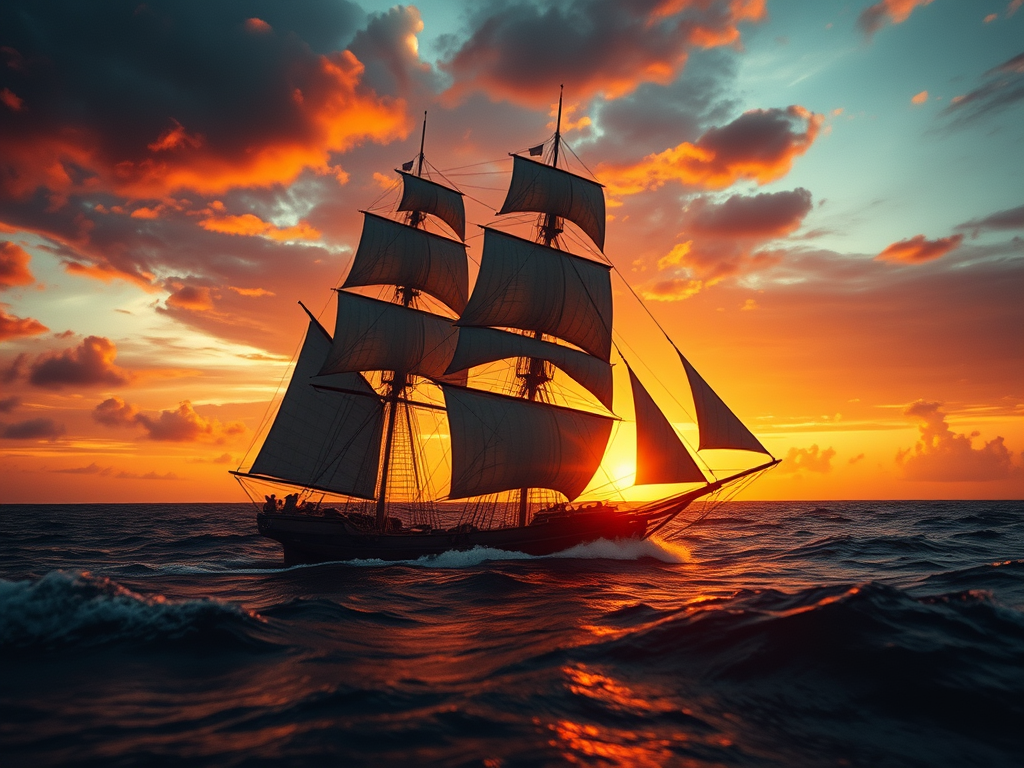
As the expedition led by Ferdinand Magellan advanced into uncharted waters, the crew encountered a variety of significant discoveries and interactions that would ultimately shape their journey and subsequent historical narrative. The experiences in these foreign lands not only enriched the explorers’ understanding of geography but also transformed their perceptions of the peoples and cultures they encountered.
Upon leaving Brazil, the fleet sailed through the Strait of Magellan, a treacherous waterway located in the southernmost reaches of South America. This strait was a crucial discovery for the expedition, as it represented the first navigable passage connecting the Atlantic and Pacific Oceans. Its discovery marked a turning point in maritime exploration, offering future navigators an alternative route that would facilitate global trade and exploration. The journey through the strait was characterized by tumultuous weather, rugged coasts, and treacherous tides, as a cacophony of waves crashed against the rocky shoreline.
Emerging from the Strait of Magellan into the vast expanse of the Pacific Ocean was an exhilarating moment for Magellan and his crew. However, this newfound freedom came with its own set of challenges. The sheer size of the Pacific posed navigational difficulties, and the crew faced an overwhelming sense of isolation. For months, they sailed the calm waters of this immense ocean, grappling with unpredictable weather patterns and a severe shortage of provisions, leading to increased tensions aboard the ships.
During their time at sea, the crew also established interactions with various indigenous populations. One of the significant encounters occurred upon their arrival in the Philippines in March 1521. Magellan sought out the Spice Islands by navigating through the archipelago, gravitating toward the islands of Cebu and Mactan, where rich cultures thrived. Here, he engaged in important interactions with the local rulers, namely Raja Humabon, who received Magellan with hospitality and warmth.
The relationship that formed between Magellan and Humabon exemplified the complex nature of colonial dynamics. While Magellan was initially welcomed as a guest, his presence also represented the encroachment of European powers. In an effort to win converts to Christianity, Magellan baptized numerous locals, transforming their socio-religious landscape and establishing a foundation for future missionary endeavors.
However, the expedition’s renowned diplomacy waned when they encountered resistance from the warrior chieftain Lapu-Lapu on the island of Mactan. Lapu-Lapu, who rejected European intervention, rallied his forces against Magellan’s crew. The ensuing skirmish on April 27, 1521, culminated in a devastating defeat for Magellan, who lost his life on the battlefield. This incident underscored the deep tensions between indigenous populations and European colonizers and the complexities of cultural exchange.
Significant discoveries were not limited to encounters with indigenous peoples. The expedition also provided vital information about diverse ecological environments, as the crew observed unfamiliar flora and fauna that they documented through meticulous records. From the tropical landscapes of the Caribbean islands to the lush greenery of the Philippine archipelago, these observations would inform subsequent European expeditions and explorations in the region.
The discoveries made during Magellan’s quest for the Spice Islands and the interactions with different cultures underscore the multifaceted nature of exploration. The lessons learned, both in terms of navigation and diplomacy, shaped the understandings of cross-cultural encounters in an increasingly interconnected world. Magellan’s original vision of uniting the East and the West indeed faced significant trials, ultimately leaving a profound impact on global history.
The Return Journey and Legacy of Magellan’s Circumnavigation
Following the tragic death of Ferdinand Magellan in April 1521, the remnants of the fleet were left in a precarious position. The expedition’s leadership fell to Juan Sebastián Elcano, who had been a member of the crew since its inception. Elcano was tasked with navigating the remaining ships through the challenges ahead and ensuring the survival of the expedition and crew.
With a diminished crew and faced with significant uncertainty, Elcano made the decision to abandon the original quest for the Spice Islands and prioritize the safe return of the crew to Spain. The remaining ship, Victoria, became the single vessel entrusted with the monumental task of circumnavigating the globe. With an estimated crew of only 18 sailors, the journey home was riddled with peril, requiring them to dodge hostile encounters and navigate treacherous waters.
Upon leaving the Philippines, the crew set sail toward the Spice Islands, where they managed to acquire valuable cargo. Combining their existing resources with fresh spices, they then embarked on the challenging return journey across the Indian Ocean, steering towards the Cape of Good Hope. The sailors were forced to confront the immense challenges of the ocean, adjusting to the rigors of navigating through unfamiliar waters and grappling with potential conflicts with other maritime powers.
On September 6, 1522, after nearly three years at sea, the Victoria docked back in Spain, effectively completing its journey around the world. This historic event was met with awe and reverence, as only one of the original five ships had completed the journey, carrying with it a wealth of knowledge, experiences, and valuable treasures. The feat remarked not only on the perseverance of the crew but also highlighted the significance of the expedition in expanding European knowledge of the world.
The legacy of Magellan’s circumnavigation cannot be understated. It fundamentally altered perceptions of geography, demonstrating that the world was far more interconnected than previously understood. The journey provided invaluable information about global trade routes, fostering European interest in exploring new lands. Various nations would soon embark on their expeditions, further expanding the boundaries of the known world.
In addition to altering the course of navigation, Magellan’s journey had profound cultural implications. The interactions between European explorers and indigenous populations marked the beginning of centuries of colonial encounters, shaping the dynamics between the East and West. The expedition’s legacy influenced later explorers, paving the way for significant advancements in navigation, cartography, and maritime exploration.
Magellan’s story serves as a reminder of the spirit of exploration and the desire for discovery that has driven humanity for centuries. Through triumph and tragedy, the impact of his expedition resonates even today, as we continue to explore and engage with the diverse cultures of our planet.
Conclusion
The first circumnavigation of the globe, spearheaded by Ferdinand Magellan, remains one of the defining moments in the history of exploration. This ambitious journey not only expanded geographic knowledge but also fostered intercultural interactions that would shape the course of history for centuries to come. The expedition faced myriad challenges—harsh weather, uncharted territories, cultural conflicts, and ultimately, the loss of its leader. Yet, through sheer determination and daring spirit, the crew persevered, leaving a profound legacy that reshaped global navigation and interconnectedness.
Magellan’s vision of uniting continents through exploration exemplified the heights of human ambition and critical endeavor in the quest for knowledge. The saga of discovery, encompassing diverse encounters with various indigenous cultures, along with the eventual success of the Victoria in completing the circumnavigation, altered the tide of history, propelling the world toward greater exploration and global trade.
The legacy of this monumental undertaking continues to shape our understanding of exploration, trade, and cultural exchange in today’s globalized society. As we reflect on the intricacies of Magellan’s journey and the lessons learned from it, we are reminded of the unyielding human spirit—a spirit that persists in seeking out new frontiers in an ever-evolving world.
Sources Consulted
- History.com. (2020). Magellan Circumnavigates the Globe. Retrieved from History.com
- National Geographic. (2019). Ferdinand Magellan and the First Circumnavigation of the Earth. Retrieved from National Geographic
- BBC History. (2021). Ferdinand Magellan: Explorer of the World. Retrieved from BBC History
- Britannica. (2022). Ferdinand Magellan. Retrieved from Britannica
- World History Encyclopedia. (2021). Magellan’s Circumnavigation of the Earth. Retrieved from World History Encyclopedia