Tag: Rome
-
Palatine Hill and Roman Forum History: Walking Through the Heart of Ancient Rome
Palatine Hill and the Roman Forum are pivotal historical sites in Rome that showcase the grandeur of ancient civilization. Palatine Hill, believed to be the birthplace of Rome, holds archaeological treasures depicting royal life, starting from its founding in 753 BCE. Historical accounts reveal its evolution from basic huts to lavish palatial complexes, highlighting significant figures like Augustus. Conversely, the Roman Forum emerged as the city\’s public life center, hosting important political activities, social gatherings, and religious practices, all reflective of Rome\’s communal spirit. Ongoing archaeological research continues to enrich our understanding of these sites, emphasizing their enduring legacy in…
-
Unforgettable 5 Days in Rome: A Guide to Art, Food, and History

This guide provides a five-day itinerary for exploring Rome, emphasizing the city’s rich history, culture, and culinary delights. Day One focuses on iconic ancient sites like the Colosseum and Roman Forum. Day Two centers on the Vatican, featuring St. Peter’s Basilica and the Vatican Museums. Day Three highlights the artistic vibe of Trastevere, including its historic basilicas and lively streets. Day Four immerses visitors in local cuisine through markets and cooking classes. Finally, Day Five uncovers hidden gems in neighborhoods like Testaccio and concludes with scenic walks and a farewell dinner. The journey promises unforgettable encounters with the Eternal City.
-
The Rich History of Vatican City and Its Landmarks

Vatican City, the smallest independent state, serves as the spiritual heart of Catholicism and is rich in history and art. Originating from the martyrdom of St. Peter, it transformed from a religious site to the center of papal authority. Key landmarks include St. Peter’s Basilica, the Sistine Chapel, and the Vatican Museums, showcasing masterpieces that reflect the Catholic Church’s grandeur. The Lateran Treaty of 1929 established Vatican City as an independent state, reaffirming its global significance. Its artistic and historical treasures continue to inspire millions, highlighting the deep connections between faith, culture, and architectural beauty.
-
Exploring the Rich History of Rome: A ultimate guide
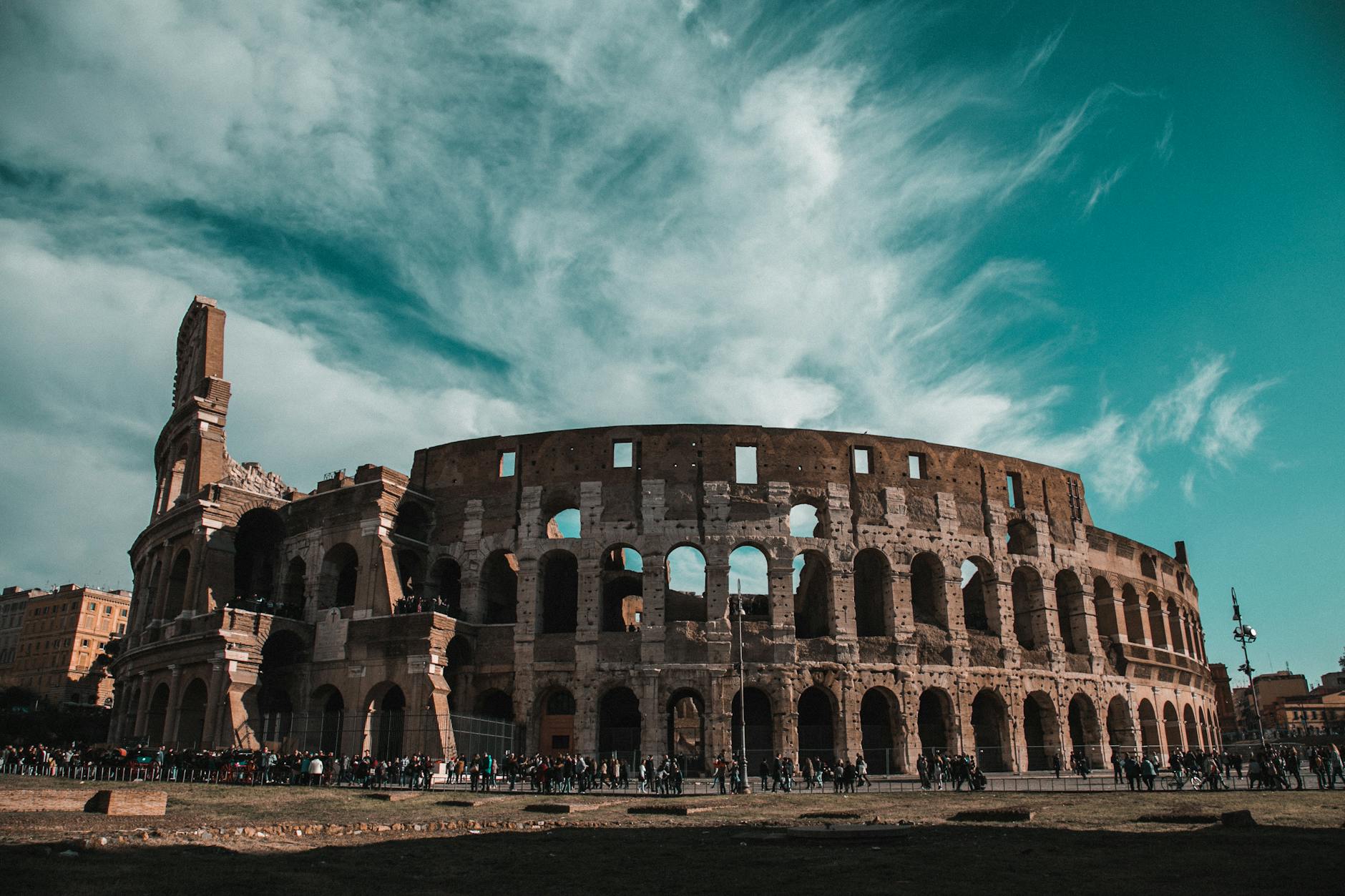
Rome, known as the “Eternal City,” is a symbol of human achievement and cultural significance, with a history spanning over 2,700 years. From its mythical founding by Romulus and Remus to its dominance as the center of a vast empire, the city evolved through various eras. The establishment of the Roman Republic in 509 BCE introduced shared governance, while the transition to the Roman Empire in 27 BCE ushered in political stability and cultural flourishing. However, challenges like economic instability and power struggles led to the fall of the Western Empire in 476 CE. Rome transformed into a spiritual capital…
-
Discover the history of the amazing Pantheon of Rome
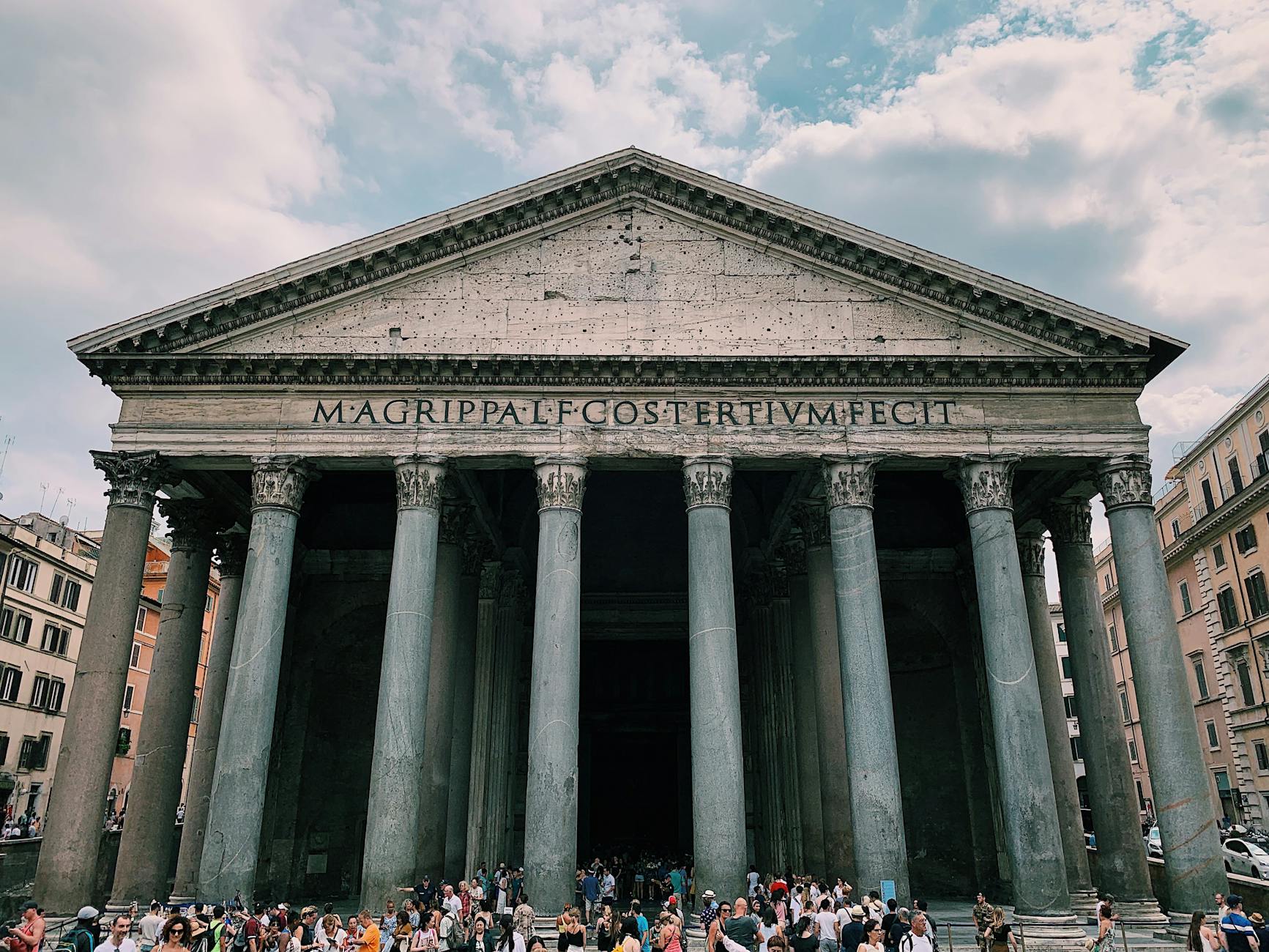
The Pantheon of Rome is a remarkable example of ancient architecture and engineering, originally built as a temple for all Roman gods during Emperor Hadrian’s reign in the early 2nd century CE. Its iconic dome, featuring a central oculus, symbolizes the universe and showcases innovative construction techniques with Roman concrete. Over time, the Pantheon transformed from a pagan temple into a Christian church in the 7th century, reflecting Rome’s evolving identity. Its architectural design has influenced numerous structures throughout history and continues to serve as a symbol of resilience and power. Modern preservation efforts ensure its legacy endures for future…
-
The History and Art of the marvelous Fontana di Trevi of Rome

The Fontana di Trevi, an iconic masterpiece of Baroque art, symbolizes Rome’s rich history and cultural significance. Originating from ancient Roman aqueducts, it evolved through Renaissance visions to become a grand structure designed by architect Nicola Salvi in the 18th century. The fountain features intricate sculptures embodying themes of mythology, human interaction with nature, and water’s transformative power. It has gained immense popularity through films and coin-tossing traditions, reinforcing its status as a cultural icon. Modern conservation efforts continue to preserve its integrity, ensuring the Trevi Fountain remains a timeless treasure that captivates millions of visitors annually.
-
The great history of the Colosseum: Architecture, Construction and its impact in Rome

The article explores the history of the Colosseum construction, and significance within Roman society. Built under Emperor Vespasian and completed under Titus, the Colosseum symbolizes Roman engineering prowess and reflects the social hierarchy of the era. It served as a venue for gladiatorial games, animal hunts, and public spectacles, illustrating the emperors’ power and the culture of entertainment in ancient Rome. The structure faced decline after the 4th century due to changing social attitudes and natural disasters but was later recognized as a sacred site. Today, the Colosseum stands as a historical monument, representing the Roman Empire’s legacy.