Tag: Netherlands

  • Rijksmuseum History: Inside Amsterdam’s Most Celebrated Museum

    Rijksmuseum History: Inside Amsterdam’s Most Celebrated Museum

    Introduction

    The Rijksmuseum, located in the heart of Amsterdam, stands as a testament to the rich artistic heritage of the Netherlands. Established in the early 19th century, this renowned museum has evolved into one of the most significant cultural institutions in the world. With its vast collections that encompass works from the Dutch Golden Age, including masterpieces by Rembrandt and Vermeer, the Rijksmuseum invites visitors to explore the depth of Dutch art and history. The museum is not just a repository of art; it is also a vibrant cultural hub that engages with the community and connects the past with the present. As the Rijksmuseum continues to innovate and expand its offerings, it remains firmly committed to its mission of making art accessible to all. This article delves into the fascinating Rijksmuseum history, exploring its origins, architectural transformations, remarkable collections, cultural significance, and future directions.

    The Origins of the Rijksmuseum

    The Rijksmuseum’s story begins in the early 19th century, when the need for a national museum in the Netherlands became apparent. Established in 1800 in The Hague during the existence of the Batavian Republic, the museum was initially named the “Nationale Kunstgalerij” (National Art Gallery). Its purpose was to house an extensive collection of artworks and historical objects that reflected the nation’s cultural identity.

    In 1808, King Louis Napoleon, the brother of Napoleon Bonaparte, commissioned a more central and permanent location for the museum, which resulted in its relocation to the newly constructed museum building in Amsterdam. However, it wasn’t until 1815 that the museum officially became known as the Rijksmuseum, a name that translates to “State Museum.” This name change marked the museum’s transformation into a royal institution dedicated to the preservation and exhibition of Dutch art and history.

    The early collections of the Rijksmuseum were modest, primarily consisting of works acquired from various national collections and individual donations. Key acquisitions included artworks from the Golden Age, with pieces by prominent artists such as Rembrandt, Frans Hals, and Jan Steen. The museum gradually built a reputation for showcasing the best of Dutch art, attracting both local and international visitors.

    As the 19th century progressed, the Rijksmuseum underwent significant changes in both its collection and vision. Under the directorship of figures like the influential curator and historian A. A. H. L. Mousset, the museum began to emphasize the importance of education and public access to the arts. This shift in focus led to the development of educational programs and exhibitions designed to engage a broader audience.

    The original building of the Rijksmuseum, known as the “Oude Rijksmuseum,” was not adequately equipped to handle the growing collection, leading to discussions about a new architectural vision for the museum. In 1885, the renowned architect Pierre Cuypers was commissioned to design a new building that would embody the grandeur of Dutch museum architecture while providing adequate space for the expanding collections.

    Cuypers’ design was inspired by Gothic and Renaissance styles, prominently featuring a stunning red-brick façade, large arched windows, and intricate detailing. The new Rijksmuseum was inaugurated in 1885, instantly becoming a symbol of national pride and cultural significance. This architectural masterpiece not only enhanced the museum’s ability to display its collections but also provided a rich historical context to the artworks within.

    During the early 20th century, the Rijksmuseum’s influence continued to grow, with significant acquisitions that enriched its already impressive collection. The museum began actively acquiring contemporary works and expanded its scope to include international art, thereby cementing its status as a central player in the global art scene. The impact of World War II on the museum was profound; many artworks were hidden or looted, and the museum’s premises suffered damages during the conflict.

    After the war, restoration efforts were implemented, and the museum was reestablished with a renewed focus on accessibility and education. The collaborative spirit of Dutch artists and curators flourished during this time, leading to innovative exhibitions and outreach programs aimed at engaging the public.

    Throughout its history, the Rijksmuseum has not only acted as a custodian of Dutch art but has also played a vital role in shaping the narrative of Dutch cultural identity. Its evolution—from a small national gallery to one of the most celebrated museums in the world—serves as a reflection of the dynamics of Dutch society and the ever-growing appreciation for art and history.

    Architectural Evolution and Renovations

    The architectural journey of the Rijksmuseum is as rich and layered as the collections it houses. When Pierre Cuypers designed the new Rijksmuseum, which opened in 1885, he intended not just to create a space for art, but an emblematic building that reflected Dutch national identity. Cuypers incorporated elements of Gothic architecture seamlessly with Renaissance influences, creating a structure that would capture the imagination of its visitors.

    The museum’s façade, adorned with intricate stone carvings, majestic towers, and vibrant stained glass windows, serves as an inviting entrance to its vast collections. The central atrium, with its grand staircase, is designed to echo the enlightenment ideals of public access to art. Visitors are greeted with a sense of grandeur that anticipates the treasures within. The iconic ‘I AMSTERDAM’ sign has become part of the museum’s identity and is a popular photo destination for tourists.

    As the years passed, it became clear that the museum required extensive renovations and expansions to accommodate its growing collection and to enhance the visitor experience. In 2003, a major renovation plan was set in motion, led by the architectural firm Cruz y Ortiz. This renovation aimed to modernize the museum while preserving its historical character. The project involved extensive restoration work on the façade, equipping the museum with state-of-the-art climate control and lighting systems to protect the delicate artworks.

    A significant addition to the museum was the creation of the new Asian Pavilion, which opened in 2012. This modern space was designed to showcase the museum’s extraordinary Asian collection, including ceramics, textiles, and paintings. The pavilion stands in stark contrast to the original structure, with its minimalist lines and expansive glass walls, allowing natural light to flood the space, enhancing the viewing experience. This juxtaposition of old and new reflects the Rijksmuseum’s commitment to continually evolve while respecting its historical roots.

    In 2013, the renovations culminated in a grand reopening that celebrated the museum’s rich heritage and modern advancements. The revitalized Rijksmuseum offered visitors a renewed sense of discovery and connection to art, enriched by cutting-edge technology, educational exhibits, and interactive displays. The museum reintroduced iconic pieces, such as Rembrandt’s “The Night Watch,” allowing visitors to experience these masterpieces in all their glory within a contemporary context.

    planters filled with tulips in the pond in front of rijksmuseum in amsterdam
    The Rijksmuseum, Amsterdam

    The integration of visitor-centric facilities, including a new café, shop, and improved access for individuals with disabilities, transformed the Rijksmuseum into a modern cultural hub. The museum now encourages visitors to interact with art, offering programs and workshops that appeal to diverse audiences.

    Moreover, during the architectural evolution of the Rijksmuseum, sustainability emerged as a guiding principle. The renovation incorporated eco-friendly practices and materials, aligning with global trends toward environmental responsibility in museum practices. This focus on sustainability involves not only minimizing the museum’s carbon footprint but also engaging the community in environmental initiatives.

    A hallmark of the Rijksmuseum’s architectural evolution is its ability to function as a bridge between the past and the present. Through careful restoration and innovation, the museum manages to remain relevant in a rapidly changing cultural landscape. The careful planning and execution of renovations reflect not only a desire to preserve artistic heritage but also a commitment to public service and education.

    The story of architectural evolution at the Rijksmuseum mirrors the journey of the Netherlands itself, transitioning from a narrative rooted in its illustrious past toward an inclusive future in which art continues to inspire and engage generations to come. As visitors ascend the grand staircase of the Rijksmuseum, they are stepping into a living history, where every corner tells a story of artistic endeavor, national pride, and a dynamic dialogue between eras.

    The Collection: Highlights and Masterpieces

    The Rijksmuseum is home to an extraordinary collection of artworks spanning over eight centuries, making it one of the most comprehensive repositories of Dutch art in the world. With more than one million objects in its collection, including paintings, sculptures, decorative arts, and historical artifacts, the museum tells the story of the Netherlands through its artistic heritage. The collection’s highlights are staggering, with a specific focus on the Dutch Golden Age, a period marked by unprecedented artistic achievement and cultural development.

    One of the most celebrated works in the collection is Rembrandt’s masterpiece, “The Night Watch,” painted in 1642. This monumental painting is renowned for its dramatic use of light and shadow, known as chiaroscuro, which imbues the figures with a sense of life and movement. “The Night Watch” not only represents a pivotal moment in the evolution of group portraiture but also serves as a symbol of Dutch identity, reflecting the pride and civic duty during the Golden Age. The museum’s meticulous efforts to restore and display this iconic work have made it an unmissable highlight for visitors.

    Another jewel in the Rijksmuseum’s crown is Johannes Vermeer’s “The Milkmaid,” painted around 1658. This quiet yet captivating depiction of a domestic scene captures the beauty of everyday life with incredible detail and a masterful use of light. Vermeer’s ability to create a sense of intimacy and tranquility in his paintings resonates deeply with audiences, making “The Milkmaid” an essential part of the museum’s narrative of Dutch art.

    The collection also features significant works by other masters of the Golden Age, such as Frans Hals, whose lively portraits showcase the vitality and personality of his subjects. Hals’ “The merry drinker” is a fine example of his ability to capture character and moment through spontaneous brushwork and vibrant colors. The variety of styles and subjects represented in the collection allows visitors a comprehensive view of the artistic trends that flourished during this period.

    In addition to Dutch artists, the Rijksmuseum also houses a remarkable selection of international works. The collection of Asian art, for example, includes exquisite Chinese ceramics, Japanese prints, and Indian miniatures, showcasing the Netherlands’ historical trade connections and cultural exchanges. The diversity of the collection speaks to the museum’s dedication to a comprehensive understanding of art history, engaging visitors with different cultural narratives.

    The decorative arts are also a crucial aspect of the museum’s collection, featuring intricate porcelain, furniture, and textiles that illustrate the craftsmanship and artistic innovation of the Netherlands. The imposing display of Dutch Delftware highlights the technical prowess of ceramic artists, while the lavish interiors of period rooms transport visitors back in time to experience the elegance of Dutch domestic life.

    As an educational institution, the Rijksmuseum is committed to making its collections accessible to a broad audience. Digital initiatives, such as virtual tours and online exhibitions, allow visitors from around the world to engage with the museum’s treasures. Additionally, the museum frequently organizes thematic exhibitions, workshops, and presentations that delve deeper into the stories behind its artworks, fostering a greater appreciation for both Dutch and global art.

    Furthermore, the Rijksmuseum emphasizes its role as a cultural ambassador by collaborating with other institutions, both nationally and internationally. These partnerships enable loan exchanges and traveling exhibitions, extending the reach of its collection and enhancing global dialogues through art.

    The importance of the Rijksmuseum’s collection extends beyond mere aesthetics; it serves as a preservation of history, memory, and identity. Each artwork encapsulates a unique story, reflecting the values and experiences of those who lived in tandem with these masterpieces. By engaging with the collection, visitors are invited to contemplate the narratives that shaped the Netherlands across centuries.

    In conclusion, the collection of the Rijksmuseum stands as a testimony to the artistic achievements of the Dutch people. With its astounding array of masterpieces and artifacts, the museum provides an immersive experience that allows visitors to explore the intricate tapestry of art and culture. As we delve deeper into the significance of each piece, the Rijksmuseum becomes a portal to understanding not only Dutch identity but the universal language of art itself.

    The Role of the Rijksmuseum in Dutch Culture

    The Rijksmuseum holds a pivotal role in the cultural landscape of the Netherlands, acting as a steward of artistic heritage and a catalyst for cultural dialogue. As one of the most important art institutions in the country, it not only preserves and exhibits a remarkable collection of artworks but also fosters a deep connection between art, history, and society.

    At the heart of the Rijksmuseum’s mission is the commitment to educate and inspire. The museum serves as a cultural hub, offering a plethora of programs designed to engage diverse audiences. Through guided tours, workshops, lectures, and interactive exhibits, the Rijksmuseum opens its doors to visitors of all ages, encouraging them to explore and appreciate the beauty and significance of art.

    The museum’s educational initiatives extend beyond its walls, engaging with schools, students, and communities across the country. Outreach programs invite schools to partner with the museum, providing students with opportunities to learn about art history, creativity, and critical thinking. These efforts help nurture a new generation of art enthusiasts and cultural advocates.

    Additionally, the Rijksmuseum plays a crucial role in promoting Dutch culture and identity on an international stage. Through traveling exhibitions, partnerships, and collaborations with institutions worldwide, the museum showcases the richness of Dutch artistic heritage to global audiences. The value of Dutch masterpieces, ranging from Golden Age paintings to contemporary installations, underscores the country’s ongoing contributions to the world of art.

    The impact of the Rijksmuseum is not confined to the realm of art; it also provokes conversations around broader cultural themes and societal issues. The museum often addresses topics such as identity, diversity, and inclusion, fostering discussions that resonate with contemporary audiences. By contextualizing historical artworks within present-day narratives, the Rijksmuseum invites visitors to reflect on the ongoing relevance of art and its capacity to inspire change.

    In the wake of global challenges, the museum has adapted its strategies to remain a vibrant community resource. Engaging with current events and societal movements, the Rijksmuseum seeks to be a platform for dialogue and understanding. Initiatives that champion inclusivity and representation exemplify the museum’s commitment to reflecting the complexity of contemporary society.

    rijksmuseum in amsterdam
    The Rijksmuseum, Amsterdam

    Moreover, the Rijksmuseum embraces modern technology to enhance visitor engagement and accessibility. Digital platforms, virtual exhibitions, and interactive multimedia installations provide new avenues for exploration and connection. By leveraging innovative tools, the museum invites visitors to experience art in dynamic ways, bridging traditional practices with contemporary advances.

    The museum’s role in Dutch culture is further exemplified by its dedication to conservation and preservation. The Rijksmuseum is not only responsible for displaying artworks but also for ensuring their longevity for future generations. The meticulous care taken in restoration and preservation efforts highlights the museum’s responsibility as a caretaker of cultural heritage.

    As a public institution, the Rijksmuseum encourages active participation from the community. Events such as exhibitions, festivals, and collaborations with local artists foster a sense of ownership and belonging among visitors. The museum aims to create an inclusive environment where art becomes a shared experience, enriching the lives of individuals from diverse backgrounds.

    Lastly, the Rijksmuseum’s presence contributes to Amsterdam’s status as a leading cultural destination, attracting millions of visitors each year. The city’s rich tapestry of art and culture is enhanced by the museum’s offerings, drawing tourists and locals alike to engage with its collections. The economic impact of the museum also translates to broader benefits for the community, supporting jobs, tourism, and local businesses.

    In conclusion, the Rijksmuseum is much more than a repository of art; it is a dynamic cultural institution that serves as a vital link between the past and the present. Its commitment to education, community engagement, and the promotion of Dutch culture solidifies its place at the forefront of the cultural landscape. As an essential part of the Netherlands’ identity, the Rijksmuseum invites all to explore the infinite stories and connections that art offers, enriching lives and inspiring future generations.

    Future Directions and Community Engagement

    As the Rijksmuseum looks ahead, it remains dedicated to evolving and adapting to meet the changing needs of society and art. The future directions of the museum are anchored in innovation, accessibility, and community engagement, all while honoring its deep-rooted legacy in Dutch art and culture.

    In an era where technology plays a pivotal role in shaping the cultural landscape, the Rijksmuseum is committed to leveraging digital platforms to enhance visitor experiences. Innovations in virtual reality and augmented reality are being explored as ways to create immersive experiences that allow visitors to engage with artworks in new and exciting ways. By developing digital exhibitions and virtual tours, the museum reaches a global audience, ensuring that art is accessible to all, regardless of geographical boundaries.

    The growing emphasis on sustainability is also central to the Rijksmuseum’s future vision. As conversations around climate change and environmental responsibility continue to gain momentum, the museum is taking proactive steps to implement eco-friendly practices within its operations. Initiatives focused on reducing energy consumption, minimizing waste, and promoting sustainable practices in exhibitions and programs reflect the museum’s commitment to being an environmentally responsible institution.

    In tandem with sustainability, the Rijksmuseum prioritizes diversity and inclusion as fundamental aspects of its future direction. It seeks to represent the multifaceted narratives of Dutch history and culture, providing platforms for underrepresented voices and perspectives. By collaborating with contemporary artists from diverse backgrounds, the museum aims to foster meaningful dialogues within its exhibitions and programs. This commitment ensures that the museum resonates with a wide range of audiences and reflects the complexity of society.

    Community engagement remains a cornerstone of the Rijksmuseum’s mission. The museum actively seeks to connect with local communities, enhancing its role as a cultural hub for all citizens. Programs designed to facilitate collaboration with local artists, cultural organizations, and schools serve to enrich the cultural landscape. The museum’s outreach initiatives not only foster creativity but also build lasting relationships with the community, ensuring a sense of ownership and pride in the institution.

    The Rijksmuseum also places a strong emphasis on lifelong learning, providing a diverse array of educational programs for audiences of all ages. From school partnerships to workshops for adults, the museum promotes critical thinking and creativity. By engaging with educators, the museum aims to develop resources that complement classroom learning, enabling students to explore art in a contextual and authentic way.

    painting on wall in rijksmuseum in amsterdam
    The Rijksmuseum, Amsterdam

    Furthermore, the museum’s commitment to enhancing the visitor experience includes the ongoing development of facilities and services. Upgrades to accessibility features, improved visitor amenities, and the incorporation of feedback from attendees reflect the museum’s dedication to providing an inclusive environment. Ensuring that all visitors feel welcome and can fully enjoy the collections is paramount to the Rijksmuseum’s efforts.

    The leadership at the Rijksmuseum is also focused on fostering interdisciplinary collaborations with institutions worldwide. Partnerships with museums, universities, and cultural organizations facilitate Share resources and research insights, leading to enhanced exhibitions, joint projects, and a broader exchange of ideas. These cooperative endeavors contribute to the global landscape of art and culture, amplifying the impact of Dutch heritage internationally.

    Finally, the future directions of the Rijksmuseum revolve around a commitment to reflection and growth. Understanding the evolving role of museums in society requires continual assessment and adaptation. Conducting research, engaging in dialogues with thought leaders, and staying attuned to the cultural zeitgeist enable the Rijksmuseum to remain relevant and impactful.

    In conclusion, the Rijksmuseum is poised for a future filled with possibilities. By embracing technology, sustainability, inclusion, and community engagement, it aims to ensure that art remains a living and vibrant part of society. As the museum transforms and evolves, it will continue to honor its rich legacy while opening new pathways for exploration and connection to the past and present. The Rijksmuseum stands as a beacon of inspiration, inviting all to engage with the transformative power of art and culture.

    Conclusion

    The Rijksmuseum is not just a museum, it is a living testament to the artistic achievements of the Netherlands and a crucial part of its cultural identity. From its humble beginnings as a national gallery to its status as a world-renowned institution, the museum’s journey reflects the richness of Dutch art and its evolution over time. Housing masterpieces by Rembrandt, Vermeer, and countless other artists, the Rijksmuseum offers visitors a profound insight into the nation’s Golden Age, as well as its social, political, and cultural transformations.

    Beyond its collections, the museum itself stands as an architectural symbol, blending historic grandeur with modern innovation following its extensive renovation. The Rijksmuseum continues to serve as a place of learning, inspiration, and reflection, connecting past generations with the present and future. By preserving and showcasing centuries of artistic expression, it reinforces the importance of cultural heritage in shaping national identity. Ultimately, the Rijksmuseum remains a cornerstone of Amsterdam and a must-visit destination, celebrating creativity, history, and the enduring power of art.

    A Night at the Rijksmuseum – Documentary Video

    A Night at the Rijksmuseum – Documentary
  • Ultimate Picturesque Amsterdam Travel Guide 2025: Canals, Food & Culture
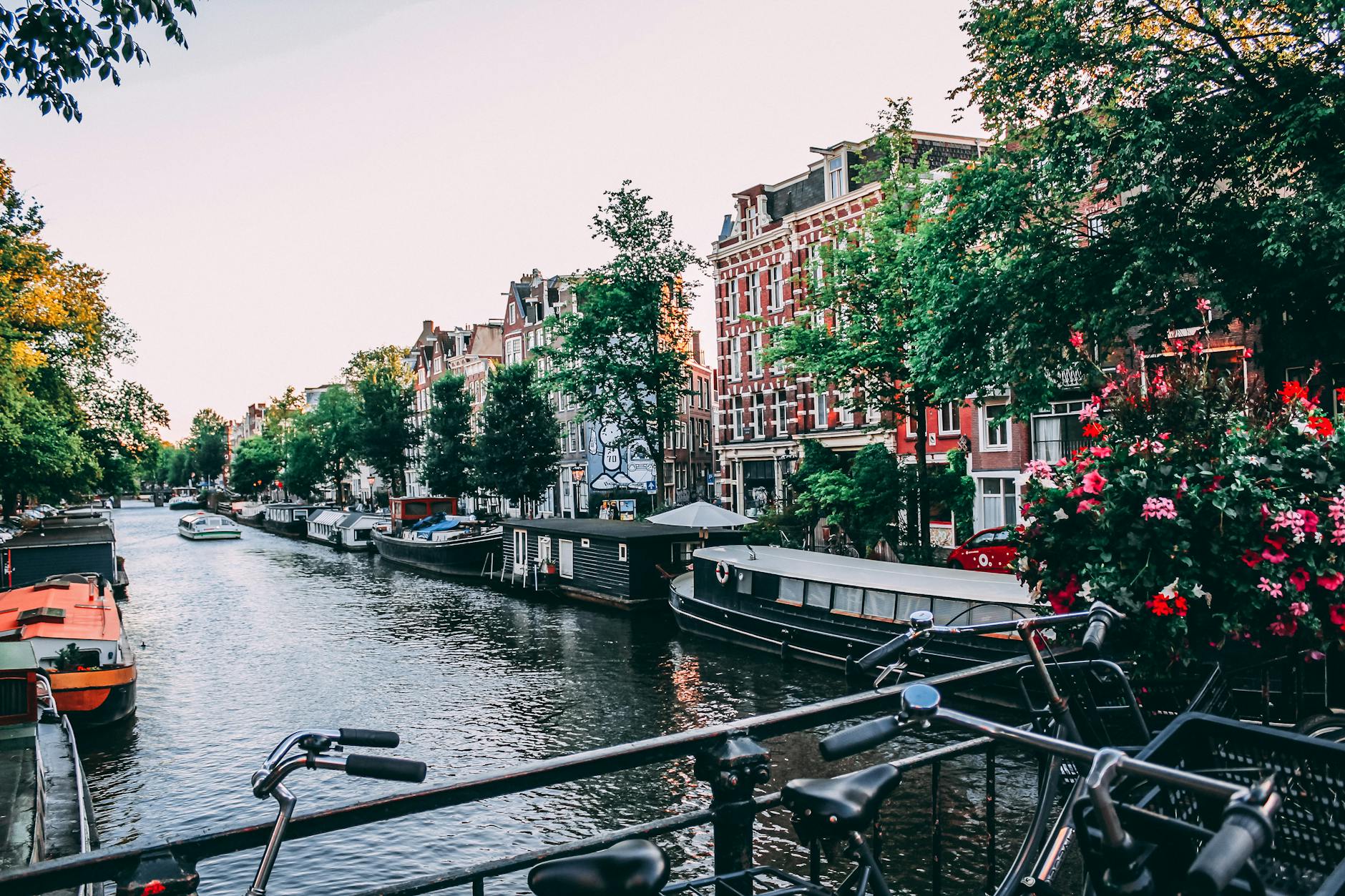
    Ultimate Picturesque Amsterdam Travel Guide 2025: Canals, Food & Culture

    Introduction

    Picturesque Amsterdam, the vibrant capital of the Netherlands, is a city renowned for its picturesque canals, rich cultural heritage, and eclectic culinary scene. Each year, millions of visitors flock to this unique city that blends historic charm with modern vibrancy. Whether you are wandering through the charming streets lined with 17th-century buildings, cycling along the extensive bike paths, or indulging in the local cuisine, Amsterdam offers a plethora of experiences that cater to all tastes. This guide aims to provide an insightful look into the essence of Amsterdam, from its stunning waterways to the mouthwatering dishes that define Dutch gastronomy. Get ready to embark on a journey that showcases the best of this remarkable city, ensuring your visit is not only enjoyable but also memorable.

    Exploring Amsterdam’s Iconic Canals

    Amsterdam’s canals are not just a picturesque backdrop; they are the lifeblood of the city and a UNESCO World Heritage site. The waterways were constructed in the 17th century during the Dutch Golden Age and served as a means for transportation, defense, and trade. The unique layout of the canals, which form a concentric series of belts around the city center, provides a distinctive charm that sets Amsterdam apart from other global cities.

    Walking along the canals is a must-do activity for every visitor. The sights are rich with history, showcasing stunning architecture and quaint houseboats that line the edges of the waterways. Notably, the three main canals—Herengracht, Prinsengracht, and Keizersgracht—are bordered by 1,500 historic houses that provide a snapshot of the city’s past. Each house, with its unique architectural features, tells a story of the merchant families who once inhabited them.

    One of the best ways to experience the canals is by taking a canal cruise. These tours offer a different perspective of the city, allowing visitors to glide past iconic landmarks like the Anne Frank House and the Westerkerk. Various options are available, including private boat rentals, dinner cruises, and guided tours that delve into the history of the canals and the significance of the buildings lining them.

    For a more intimate experience, consider renting a small boat or bike that allows you to explore the canals at your own pace. The canals are also equipped with numerous moorings, making it easy to hop off and explore different neighborhoods. As you navigate the waters, be sure to take note of the unique houseboats that dot the landscape. Many of these floating homes have been transformed into charming residences that add to the character of the city.

    The canals are not just beautiful; they also serve as key social gathering points. In the warmer months, locals and tourists alike take to the waters for picnics, parties, or simply relaxing in the sun. Coffee shops and restaurants with canal-side terraces provide a scenic setting to savor a meal or beverage while soaking up the views.

    In winter, the canals take on an entirely different charm. The annual Amsterdam Light Festival transforms the waterways into a mesmerizing gallery of light art, with installations from international artists illuminating the nights. Additionally, ice-skating on frozen canals is a cherished local pastime, unmatched in its atmospheric charm.

    Exploring Amsterdam’s iconic canals is an essential experience for anyone visiting the city. Each canal tells its own story while providing a unique lens through which to view Amsterdam’s historical and contemporary culture. By embracing the tranquility of the waterway, you invite a sense of serenity amid the bustling city, creating lasting memories that resonate long after your visit.

    Culinary Delights: Traditional Dutch Cuisine

    Dutch cuisine is often underestimated, yet it is a fascinating reflection of the country’s history and cultural diversity. With influences from various regions, Dutch food is hearty, simple, and truly representative of the local lifestyle. Food in Amsterdam is a blend of traditional favorites and modern culinary innovation, emphasizing freshness and quality ingredients.

    To truly appreciate Dutch cuisine, one must start with the classic street foods. Haring is a must-try dish; this raw herring fish is typically served with onions and pickles, eaten by holding the fish by the tail and taking a bite. Many local shops offer their own unique takes on this traditional delicacy, making it a fun culinary challenge to find your favorite spot.

    Another beloved street food is the stroopwafel, a sweet treat made of two thin waffles with a caramel syrup filling. Found at markets and dedicated shops across the city, these delightful snacks can be enjoyed fresh and warm as you wander through the streets. It’s customary to place the stroopwafel over a cup of coffee or tea for a few moments to warm it up, enhancing the gooey texture.

    In addition to street food, Amsterdam is home to diverse restaurant offerings that reflect various culinary traditions. From Indonesian rijsttafel, a feast of small dishes served with rice, to Surinamese roti or Dutch pancakes, the city’s food scene provides ample opportunity to explore international flavors. The influx of immigrants has brought a melting pot of spices and cooking styles that further enrich the Dutch palate.

    A visit to the local markten (markets) offers an authentic taste of Dutch culture. The Albert Cuyp Market is one of the most famous, where you can find everything from fresh produce to traditional snacks. Sampling poffertjes (mini pancakes) and other local treats here is an experience that shouldn’t be missed. The vibrant atmosphere and the chance to chat with local vendors adds a personal touch to your culinary adventure.

    Cheese lovers should not overlook the Edam and Gouda cheeses, which are staples in Dutch cuisine. The cheese shops throughout the city showcase a variety of options, and many even offer tasting sessions. Cheese is an integral part of Dutch culture, and you’ll often find it featured in local dishes or served alongside beers in traditional cafés.

    For drinks, don’t forget to experience Dutch beer or the local genever, a traditional spirit distilled from malt wine, reminiscent of gin. Numerous breweries around the city now function as pubs, allowing visitors to sample a range of local brews in a friendly setting.

    In recent years, Amsterdam’s food scene has evolved dramatically with the rise of the farm-to-table movement and fusion cuisine, leading to a thriving collection of eateries focusing on sustainability and seasonality. Innovative chefs are blending traditional recipes with modern culinary concepts, providing an exciting dining experience that cherishes the best of both worlds.

    Whether you are enjoying street food, dining in a cozy café, or exploring local markets, Dutch cuisine promises a delightful discovery at every turn. Embrace the culinary journey as a fundamental part of your Amsterdam experience, creating lasting connections with the culture and people through the food of this wonderful city.

    Museums and Cultural Experiences

    Amsterdam is renowned for its vast array of museums and cultural institutions that celebrate both the artistic heritage and modern innovations of the Netherlands. The city boasts a rich cultural tapestry, showcasing everything from the masterpieces of the Dutch Golden Age to contemporary art movements.

    The Rijksmuseum is perhaps the most iconic museum in Amsterdam, housing an extensive collection of Dutch art and history. Visitors can admire works from legendary artists such as Rembrandt and Vermeer, including the world-famous “Night Watch.” The museum’s stunning architecture itself is worth the visit, with its 19th-century facade that stands as a testament to Dutch craftsmanship.

    Just a short walk away, the Van Gogh Museum is dedicated solely to the works of Vincent van Gogh. This museum features an impressive collection of his paintings and drawings, providing insights into the artist’s life and creative process. The immersive experience, accompanied by informative exhibits, allows visitors to develop a deeper appreciation for Van Gogh’s groundbreaking techniques and emotional depth.

    Art enthusiasts will also love the Stedelijk Museum, which focuses on modern and contemporary art. Exhibitions cover a wide range of mediums and artistic expressions, including painting, design, and photography. The museum’s collection features works from prominent artists such as Piet Mondrian and Jackson Pollock, making it a rich cultural stop for those interested in modern movements.

    In addition to the major museums, Amsterdam is home to a multitude of smaller galleries and cultural institutions that offer unique experiences. The FOAM Photography Museum showcases innovative photographic art while the Hermitage Amsterdam presents exhibitions from the Hermitage Museum in St. Petersburg, bridging cultures and histories.

    Artis Zoo, one of the oldest zoos in Europe, is also worthy of mention for family visits. Its beautiful setting, along with its variety of animal species, creates an educational experience that explores the connections between nature and urban living. You can even enjoy the aquarium and planetarium to round out your visit.

    Cultural experiences in Amsterdam also extend beyond traditional museums. The city hosts a myriad of festivals throughout the year, celebrating everything from film to music. The Amsterdam Dance Event is a highlight for electronic music lovers, while the Amsterdam Light Festival transforms the city into a stunning display of illuminated artworks during the winter months. Unique events such as the Canal Parade during Pride Month showcase Amsterdam’s commitment to diversity and inclusion, creating a lively atmosphere filled with joy and celebration.

    Participating in a traditional Dutch performing arts show is another way to immerse yourself in the culture. The city features numerous venues where you can enjoy performances ranging from classical music to theater. The Dutch National Opera & Ballet and Concertgebouw offer exquisite shows that convey the country’s rich musical heritage.

    Street art is another burgeoning cultural scene in Amsterdam. The city is adorned with impressive murals and graffiti that reflect the voice of the community and contemporary issues. Guided tours are available to explore these vibrant works while learning about the artists and their messages.

    In conclusion, the wealth of museums and cultural experiences in Amsterdam provides an unmatched opportunity to explore the Netherlands’ history and celebrate its innovative spirit. Whether through traditional art, avant-garde exhibitions, or immersive performances, visitors can discover the narratives that shape this dynamic city.

    Vibrant Neighborhoods and Local Markets

    Amsterdam is a city of neighborhoods, each with its unique character and charm. Exploring its diverse districts is a rewarding journey that allows you to discover local culture, cuisine, and community life.

    One of the most iconic neighborhoods is Jordaan, known for its narrow streets, independent art galleries, and quaint cafes. Originally a working-class district, the Jordaan has transformed into one of the most desirable areas in Amsterdam. The neighborhood is filled with small boutiques and antique shops, offering a treasure trove for those who like to shop off the beaten path. Be sure to visit the Noordermarkt, a famous market held every Saturday where you can find organic products, vintage items, and delicious food stalls.

    Another must-visit area is the De Pijp district, home to the famous Albert Cuyp Market. This multicultural neighborhood is a melting pot of different cultures and influences, showcasing a diverse array of global cuisines. Vendors at the market sell everything from fresh produce to traditional Dutch snacks, making it a great spot to savor local delicacies while enjoying the vibrant atmosphere. De Pijp is also known for its botanical gardens, the Hortus Botanicus, where visitors can escape the hustle and bustle and delight in the beauty of nature.

    The charming Nine Streets (De Negen Straatjes) is a delightful must-visit area located in the heart of the canal belt. This collection of nine picturesque streets is lined with unique shops, vintage boutiques, and cozy cafes, making it an ideal place for a leisurely stroll. The canal bridges in this area provide fantastic photo opportunities, and the quaint ambiance makes it perfect for an afternoon exploring.

    If you’re looking for a contemporary art scene, head over to Amsterdam North. This district has seen significant development in recent years and is home to innovative spaces, such as The Eye Filmmuseum, showcasing the city’s cinematic history. The area is also known for its vibrant street art and creative hubs where you can find local artists at work.

    For those seeking adventure and unique experiences, NDSM Wharf is a fascinating area situated across the IJ River. Once a shipyard, the wharf is now a cultural hotspot filled with studios, workshops, and pop-up events. You can often find open-air festivals, art installations, and music festivals here, making it a lively location to explore.

    Amsterdam’s neighborhoods are complemented by its local markets, which play a vital role in daily life. Apart from the Albert Cuyp Market, other notable markets include the Foodhallen, an indoor food market that offers a culinary adventure with various stalls serving a mix of international cuisines. It’s an ideal place to sample dishes from around the world all under one roof.

    In addition, the Bloemenmarkt, the world’s only floating flower market, is a vibrant destination where you can find an array of flowers and plants, including the famous Dutch tulips. Wandering through this market is an experience that brings a splash of color and fragrance to your visit, capturing the essence of Dutch horticulture.

    Exploring Amsterdam’s vibrant neighborhoods and local markets provides a holistic view of the city’s culture, history, and community. Each district has its own story to tell, offering visitors a chance to connect with the locals and indulge in their culinary treasures. The spirit of Amsterdam shines through in its diverse neighborhoods, making each exploration a uniquely enriching experience.

    Practical Tips for Visiting Amsterdam

    Visiting Amsterdam can be an exhilarating experience filled with adventure and discovery. However, to make the most of your trip, it’s wise to be equipped with practical tips to navigate the city efficiently and comfortably.

    Firstly, getting around Amsterdam is made easy with its extensive public transportation system. The GVB operates trams, buses, and ferries that connect key areas of the city. A convenient option for tourists is the Amsterdam Travel Ticket, which provides unlimited access to public transport for a specified duration. Alternatively, bicycles are the primary mode of transportation for locals, and renting a bike allows you to explore the city from a unique vantage point while embracing the local lifestyle.

    When it comes to accommodation, Amsterdam offers a wide range of options to suit every budget. The city’s hotel scene ranges from luxurious five-star establishments to budget-friendly hostels. For a more authentic experience, consider booking a stay in a bed and breakfast or an Airbnb located in the city’s charming neighborhoods, providing a cozy atmosphere and an opportunity to interact with locals.

    As with most popular tourist destinations, planning your itinerary in advance can significantly enhance your visit. Many museums, including the Rijksmuseum and Van Gogh Museum, offer online booking options for tickets, allowing you to skip the long queues. Additionally, consider purchasing the I Amsterdam City Card, which provides free access to major attractions, public transport, and discounts for local experiences.

    Dining in Amsterdam can be a delightful experience, but dining during peak hours may lead to long waits at popular restaurants. If you are keen on trying specific eateries, making reservations in advance is recommended. For those on a budget, street food and local markets provide ample delicious options that won’t break the bank.

    One unique aspect of Amsterdam is its cultural openness, including its coffee shops. Visitors should be aware of the local laws surrounding the purchase of cannabis, and while many coffee shops operate openly, it is important to be respectful of regulations and practice moderation.

    Safety-wise, Amsterdam is generally considered a safe city for tourists. However, like in any urban area, it is essential to remain vigilant and be aware of your surroundings. Avoid flashing valuables and keep an eye on your belongings, especially in crowded areas.

    As you explore the city, don’t miss out on taking part in local customs and traditions. Whether it’s cycling alongside locals, participating in festivals, or simply enjoying a leisurely canal cruise, immersing yourself in the city’s ambiance can provide a richer travel experience.

    Finally, ensure to take time to relax and soak in the unique vibe of Amsterdam. Whether you’re strolling through Vondelpark or sipping coffee at a canal-side café, embracing the slower pace can be just as rewarding as ticking off activities from your checklist.

    By planning ahead and being mindful of your surroundings, you can fully embrace all that Amsterdam has to offer. The city’s blend of history, culture, and modern life awaits you, promising a memorable experience that resonates long after you leave.

    Conclusion

    As you conclude your exploration of Amsterdam, it’s clear that this city is an enchanting tapestry woven with art, culture, culinary delights, and breathtaking landscapes. From the iconic canals that define its character to the robust museums housing masterpieces from Dutch masters, each facet of the city tells a unique story.

    Walking through the vibrant neighborhoods, indulging in traditional dishes, and engaging with the locals provides an authentic insight into Amsterdam’s rich tapestry. The unique blend of historical heritage and contemporary culture creates an atmosphere that captivates the heart of every visitor.

    As you make your way through this dynamic city, take the time to immerse yourself in the local experience. Savor the flavors, embrace the art, and relish the warmth of the Dutch people. Whether it is through a canal cruise or a stroll through bustling markets, Amsterdam offers countless adventures waiting to be discovered.

    Your journey does not end with the last day of your visit; the memories of Amsterdam will linger long after you depart. This city invites you to return time and again, as each visit reveals new layers and experiences, making it a beloved destination in the hearts of travelers worldwide.