Tag: Countries
-
History of China: A Journey Through Time
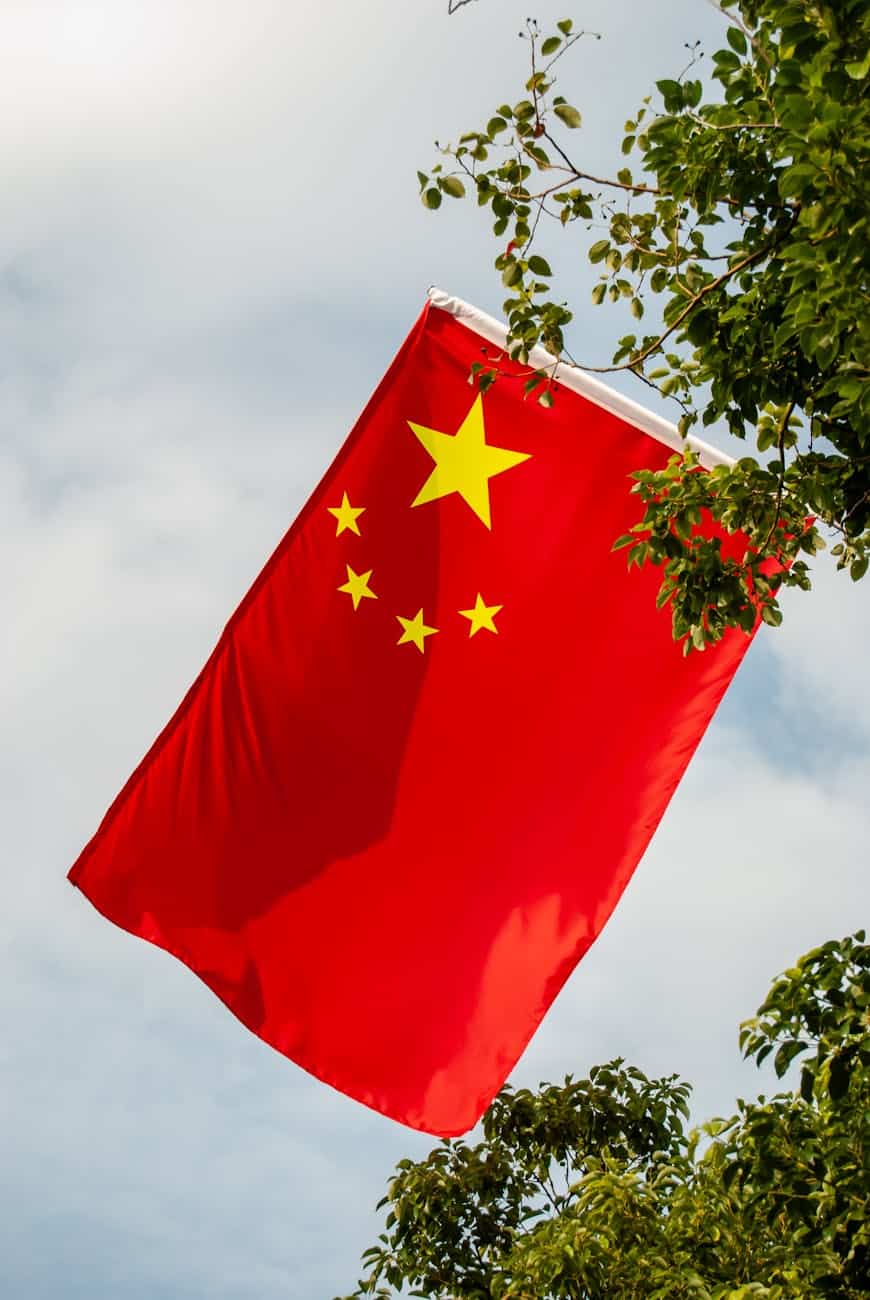
The history of China spans over 5,000 years, detailing its evolution from ancient agrarian societies to a global power. Early settlements along the Yellow River laid the foundations for complex governance systems and philosophies, with the Shang and Zhou dynasties significantly influencing Chinese thought through Confucianism and Daoism. The imperial era, marked by the rise and fall of dynasties such as the Han, Tang, and Qing, showcased cultural and technological advancements. The 19th and 20th centuries brought turmoil, with imperialism and internal strife, leading to the establishment of the People’s Republic of China in 1949. Contemporary China now faces the…
-
The history of Iran

The history of Iran spans thousands of years, characterised by ancient civilisations, powerful empires, and significant transformations that have shaped its modern identity. Following the rise of the Achaemenid Empire, notable advancements occurred under Darius I and later the Sassanian Empire, which was succeeded by the Islamic Conquest in the 7th century. The Safavid Empire emerged in the 16th century, establishing Twelver Shi’ism and enhancing Iranian arts and culture. The 19th century’s Constitutional Revolution initiated modernisation efforts amidst internal and external pressures. The Pahlavi Dynasty’s pursuit of secularisation faced resistance, culminating in the Islamic Revolution of 1979, which established the…
-
The Rich History of Ukraine: From Ancient Times to Modern Day

Ukraine’s history is characterised by a rich tapestry of influences, from ancient civilisations like the Scythians and Sarmatians to the formation of the Kievan Rus in the 9th century, which laid the groundwork for national identity. The subsequent periods under Polish and Lithuanian rule fostered cultural exchanges but also resistance against foreign domination. The Soviet era profoundly impacted Ukraine, marked by repression and struggles for identity, culminating in independence in 1991. Modern Ukraine continues to navigate challenges related to sovereignty and national unity amidst ongoing conflict with Russia, with a renewed commitment to democracy and European integration shaping its contemporary…
-
The History of Russia: From Ancient Roots to Modern Times

The history of Russia is a complex narrative shaped by significant epochs, from the formation of Kievan Rus in the late 9th century, through the Mongol invasion, to the rise of the Tsardom and the Romanov dynasty. Major events like the October Revolution in 1917, which led to the establishment of the Soviet Union, and the subsequent regime under Stalin profoundly altered Russia’s social and political landscape. The post-Soviet era saw a transition to a market economy, marked by economic instability and the emergence of Vladimir Putin’s leadership. This historical journey highlights the resilience of the Russian people amidst ongoing…
-
The History of Greenland

Greenland, the largest island globally, has a rich history shaped by diverse cultures and significant geopolitical changes. Settled by the Paleo-Eskimos around 2500 BC, the island evolved through the Thule culture and Norse exploration, led by Erik the Red in the 10th century. Danish colonisation began in the 18th century, impacting local economies and cultures profoundly. The strategic importance of Greenland during World War II further intensified Danish control and increased American military presence. In the late 20th century, Greenland pursued autonomy through the Home Rule and Self-Government Acts, promoting local governance while navigating contemporary global relations and resource management…
-
The History of the Soviet Union

The Soviet Union, established in 1922 and dissolved in 1991, was marked by radical ideological changes, political transformations, and socio-economic upheavals. Emerging from the Russian Revolution, it pursued a socialist agenda under leaders like Lenin and Stalin. Lenin’s policies aimed to eradicate capitalism but faced civil war challenges, leading to War Communism and the New Economic Policy. Stalin’s era emphasized industrialization, but at great human cost and repression. The Cold War era heightened tensions between the USSR and the West, culminating in its eventual collapse due to economic stagnation and nationalist movements, reshaping global politics and ideologies.
-
The History of the American Independence War

The American Independence War (1775-1783) was a crucial conflict marking the colonies’ fight against British rule, inspired by desires for autonomy and Enlightenment ideals. Key grievances included “taxation without representation” and increased British control. Notable battles like Lexington, Trenton, and Saratoga showcased American resilience, with crucial foreign alliances, particularly with France, securing military support. Influential figures such as George Washington, Thomas Jefferson, and Benjamin Franklin played vital roles in the war and the subsequent formation of a national identity. The war’s aftermath led to the Treaty of Paris, the U.S. Constitution, and inspired global movements for liberty and self-governance.
-
Understanding the American Civil War: A Historical Overview
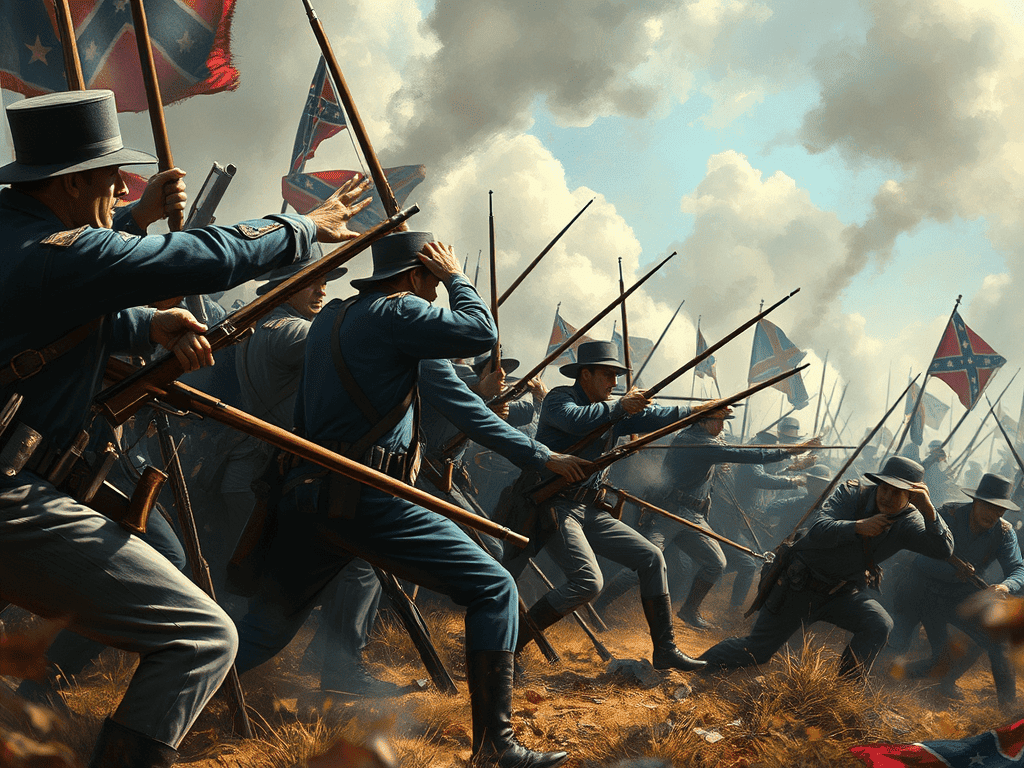
The American Civil War (1861-1865) fundamentally transformed the United States, resulting from deep-rooted tensions over slavery, economic differences, and political ideologies between the North and South. Key battles, such as Gettysburg and Antietam, highlighted the conflict’s human cost and the evolving military strategies from both sides. The war led to significant societal changes, including the abolition of slavery and shifts in gender roles as women assumed new responsibilities. The Reconstruction era aimed to integrate freed slaves and rebuild the South, but it faced significant resistance and ultimately failed to achieve lasting equality, illustrating the ongoing struggle for civil rights in…
-
The History of the United States: A Comprehensive Overview

The history of the United States is a complex narrative shaped by diverse cultures and significant events. It spans from the pre-Columbian era, where indigenous societies thrived, through European exploration leading to colonization and conflict. British rule sparked dissatisfaction among colonists, culminating in the American Revolution and the establishment of democratic principles. The Civil War addressed divisions over slavery and national unity, followed by Reconstruction efforts to integrate formerly enslaved individuals. The 20th century saw the U.S. evolve into a global power, marked by social movements and international conflicts. Understanding this history is essential for engaging with contemporary issues of…
-
The History of Russia

The history of Russia is a complex tapestry woven from myriad threads of cultural, social, and political transformations. Spanning over a millennium, it reflects centuries of dynamic change, conflicts, and achievements. From the early days of the Slavic tribes to the emergence of powerful tsars, the tumultuous revolutions, and the establishment of the Soviet Union, each era has shaped the identity of the Russian state and its people.
-
The History of Australia: a complete guide

Australia\’s history reflects a blend of Indigenous cultures and European colonization, spanning over 65,000 years. Indigenous Peoples, with diverse languages and traditions, faced profound disruptions after European settlement began in 1788. The Gold Rush of the 1850s significantly transformed the economy and population, fostering a multicultural society but also leading to conflicts over land rights. Australia\’s involvement in both World Wars shaped its national identity, prompting social change and a reevaluation of foreign relations. Post-World War II, immigration policies diversified the population further. Today, Australia strives for inclusivity while acknowledging its complex historical narrative and the importance of reconciliation.
-
The History of Canada: A Journey Through Time

Canada\’s history is a rich tapestry encompassing Indigenous cultures, European colonization, and modern developments. Indigenous peoples have existed for over 15,000 years, forming complex societies before European contact led to trade and colonization, resulting in significant cultural shifts and land dispossession. The Confederation in 1867 unified various provinces, promoting economic growth and national identity despite the ongoing struggles of Indigenous rights. Major global conflicts in the 20th century furthered Canada\’s distinct national character and social changes, including advancements in civil rights and multiculturalism. Today, Canada focuses on social justice and global cooperation while addressing its historical challenges and diverse narratives.
-
The History of Recognition of Palestine as a State: The Path to Statehood
The quest for Palestine\’s recognition as a state is complex and historically rooted, influenced by national identity development amid colonialism and conflict. Key milestones include the formation of the Palestinian Liberation Organization in the 1960s, Yasser Arafat\’s 1974 UN speech, and the 1988 declaration of independence. While recognized by over 130 countries and granted non-member observer status at the UN, Palestine faces challenges such as ongoing Israeli conflict, internal divisions, and geopolitical interests. The future of statehood depends on Palestinian unity, international solidarity, and efforts to engage effectively with global entities despite persistent obstacles on the path towards full recognition.