Category: Countries & Cities
Journey through the geographic, cultural, and architectural evolution of the world’s most historic nations, empires, and iconic urban centers. From ancient capitals and world heritage monuments to historic architectural wonders, explore how geography and localized heritage influenced global history. Discover the unique stories, artistic achievements, and enduring legacies of the cities, historic destinations, and sovereign states that defined human civilization.
-
Notre Dame Cathedral: History, Fire, and Restoration
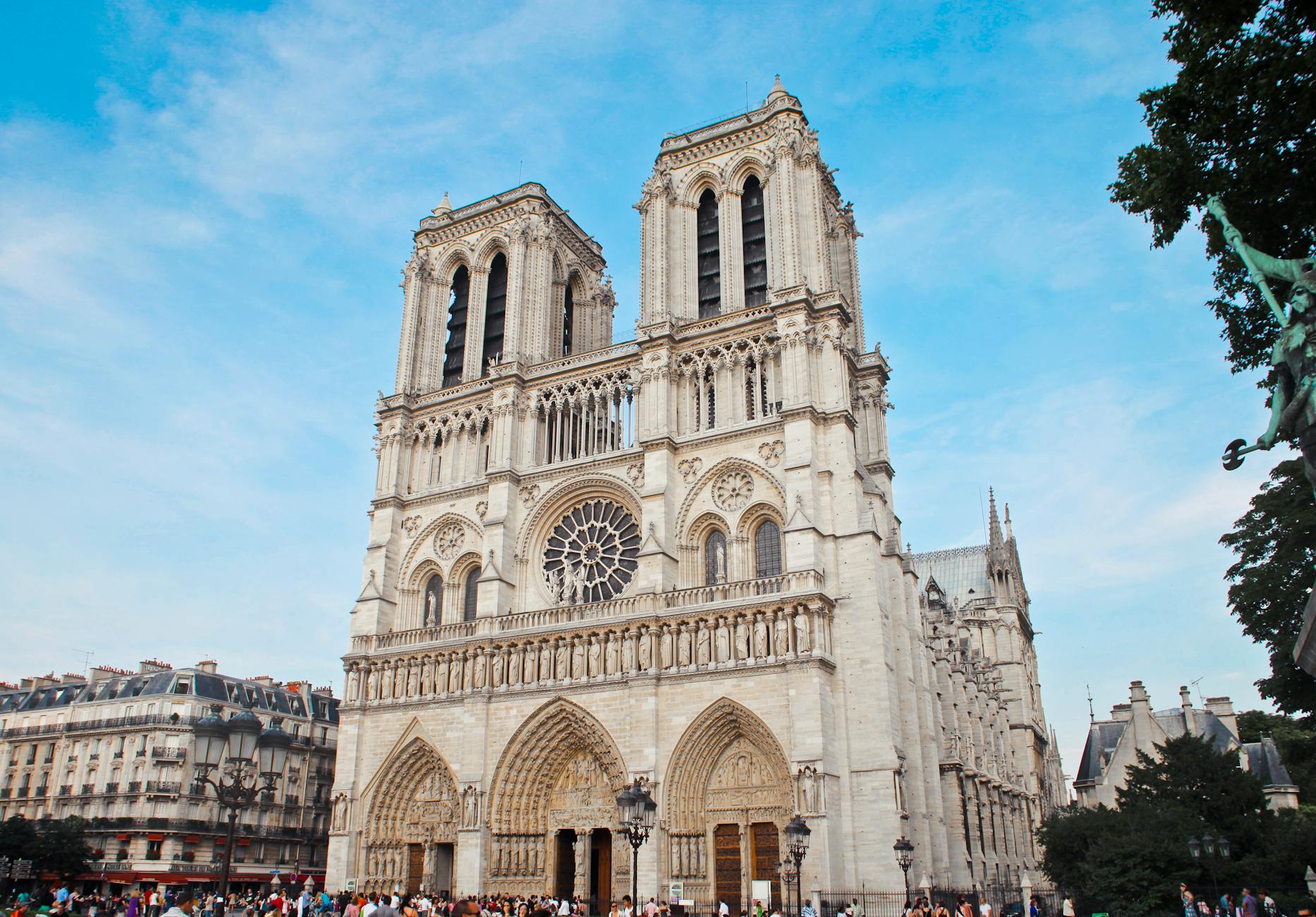
The Notre Dame Cathedral in Paris symbolizes faith, artistry, and resilience, having undergone nearly 200 years of construction and numerous historical events. From its beginnings in the 12th century, it evolved into a spiritual center and civic landmark, becoming integral to Parisian identity. The cathedral suffered significant damage during the French Revolution but was restored in the 19th century by Eugène Viollet-le-Duc. The tragic fire of April 2019 prompted a global response, highlighting the need for preservation. Ongoing restoration efforts aim to revive Notre Dame while blending traditional craftsmanship with modern technology, ensuring its legacy endures for future generations.
-
Exploring the Rich History of Rome: A ultimate guide
Rome, known as the “Eternal City,” is a symbol of human achievement and cultural significance, with a history spanning over 2,700 years. From its mythical founding by Romulus and Remus to its dominance as the center of a vast empire, the city evolved through various eras. The establishment of the Roman Republic in 509 BCE introduced shared governance, while the transition to the Roman Empire in 27 BCE ushered in political stability and cultural flourishing. However, challenges like economic instability and power struggles led to the fall of the Western Empire in 476 CE. Rome transformed into a spiritual capital…
-
Guernica: Picasso’s 1937 Iconic Anti-War Masterpiece
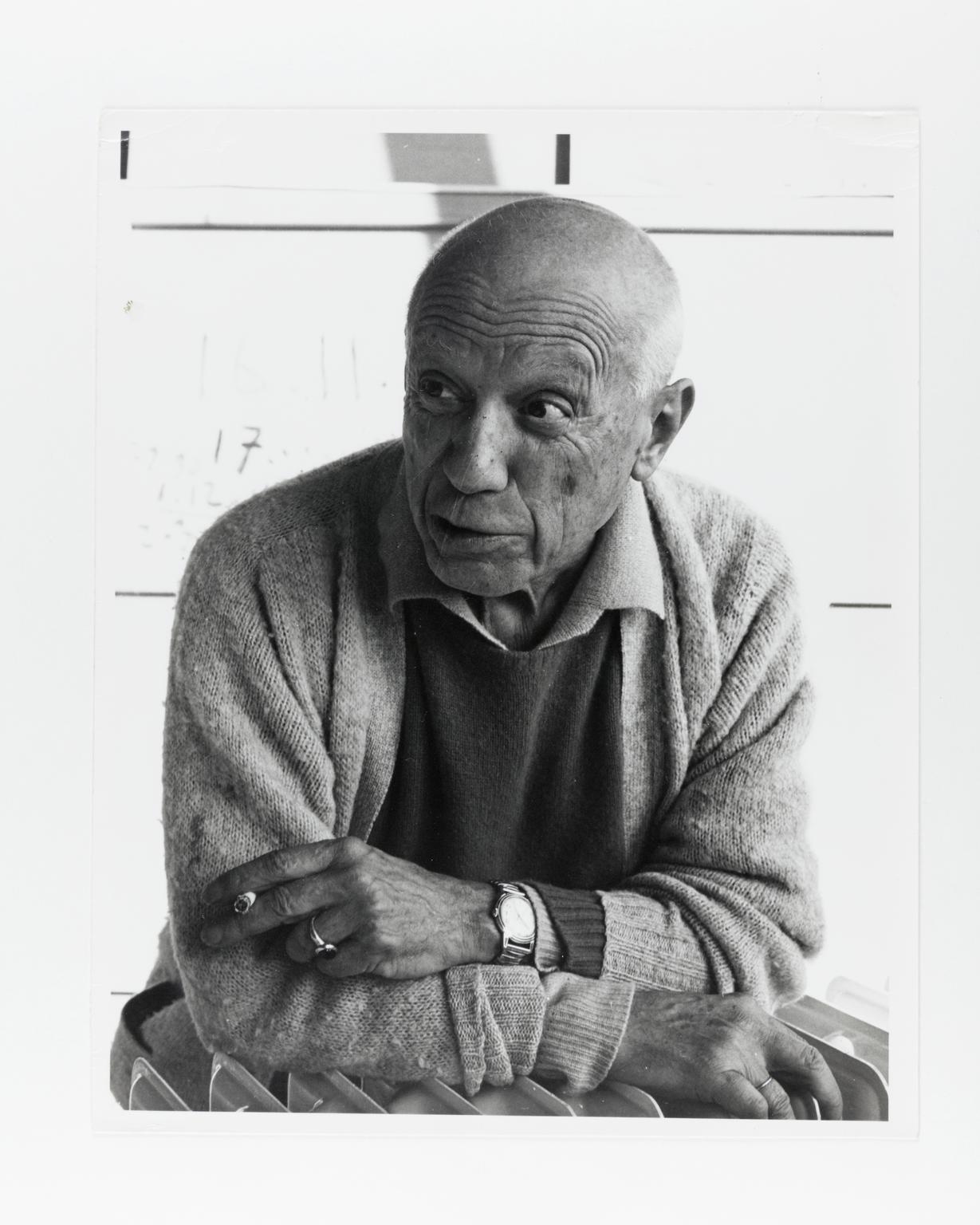
Pablo Picasso’s Guernica is a renowned anti-war mural created in response to the 1937 bombing of the Basque town of Guernica during the Spanish Civil War. This monumental work, rendered in stark monochrome, conveys profound anguish through fragmented forms and anguished figures, symbolizing the horrors of war. Initially mixed in its reception, Guernica eventually transformed into an emblem of political art, representing resilience and hope. Its journey from exile to return in Spain reflects broader themes of human suffering and resistance, inspiring artists and activists globally. Guernica continues to evoke critical reflections on the cost of violence and advocates for…
-
Discover the history of the amazing Pantheon of Rome
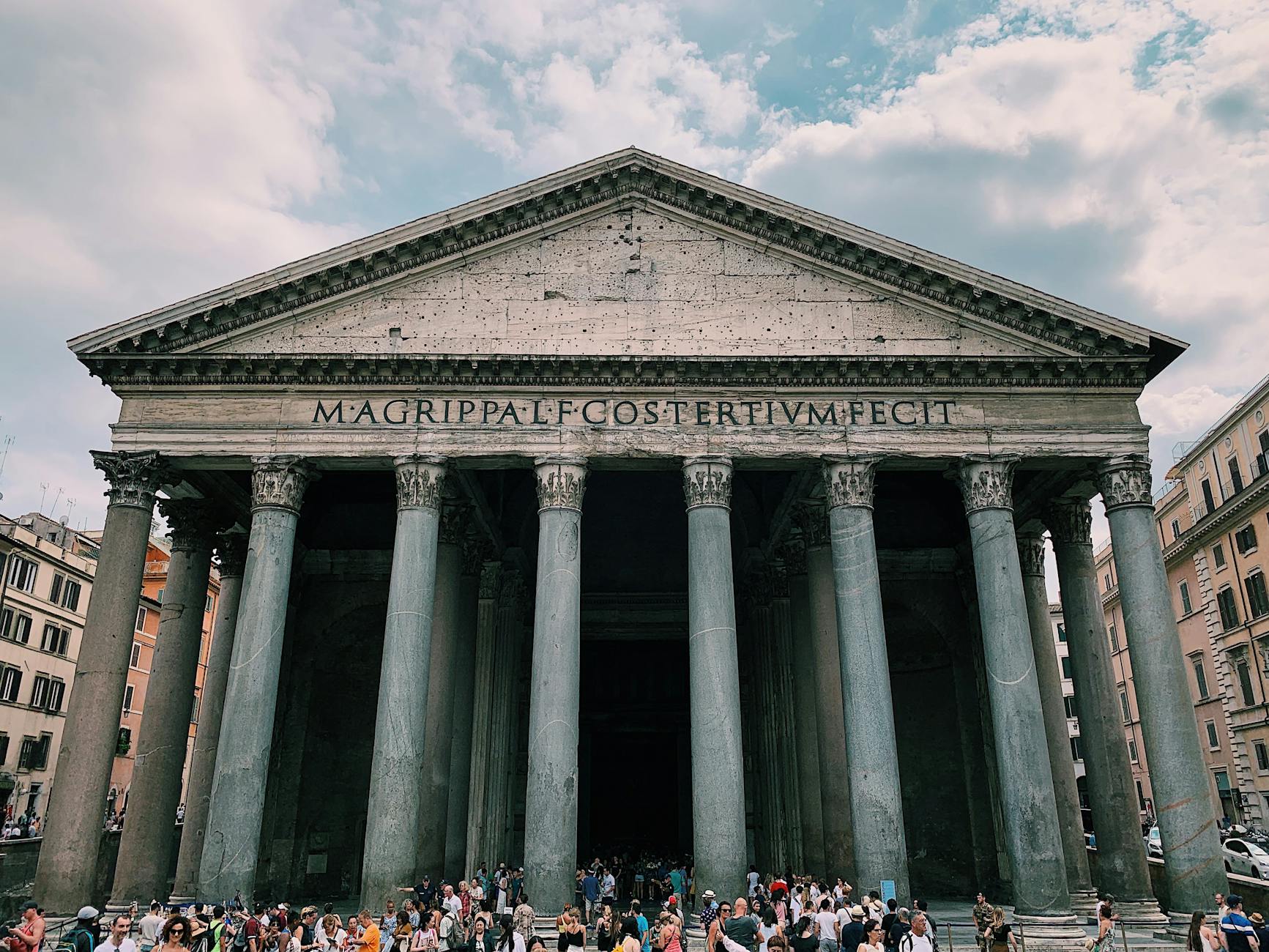
The Pantheon of Rome is a remarkable example of ancient architecture and engineering, originally built as a temple for all Roman gods during Emperor Hadrian’s reign in the early 2nd century CE. Its iconic dome, featuring a central oculus, symbolizes the universe and showcases innovative construction techniques with Roman concrete. Over time, the Pantheon transformed from a pagan temple into a Christian church in the 7th century, reflecting Rome’s evolving identity. Its architectural design has influenced numerous structures throughout history and continues to serve as a symbol of resilience and power. Modern preservation efforts ensure its legacy endures for future…
-
The History and Art of the marvelous Fontana di Trevi of Rome

The Fontana di Trevi, an iconic masterpiece of Baroque art, symbolizes Rome’s rich history and cultural significance. Originating from ancient Roman aqueducts, it evolved through Renaissance visions to become a grand structure designed by architect Nicola Salvi in the 18th century. The fountain features intricate sculptures embodying themes of mythology, human interaction with nature, and water’s transformative power. It has gained immense popularity through films and coin-tossing traditions, reinforcing its status as a cultural icon. Modern conservation efforts continue to preserve its integrity, ensuring the Trevi Fountain remains a timeless treasure that captivates millions of visitors annually.
-
Exploring the amazing Cathedral of Seville: History & Art
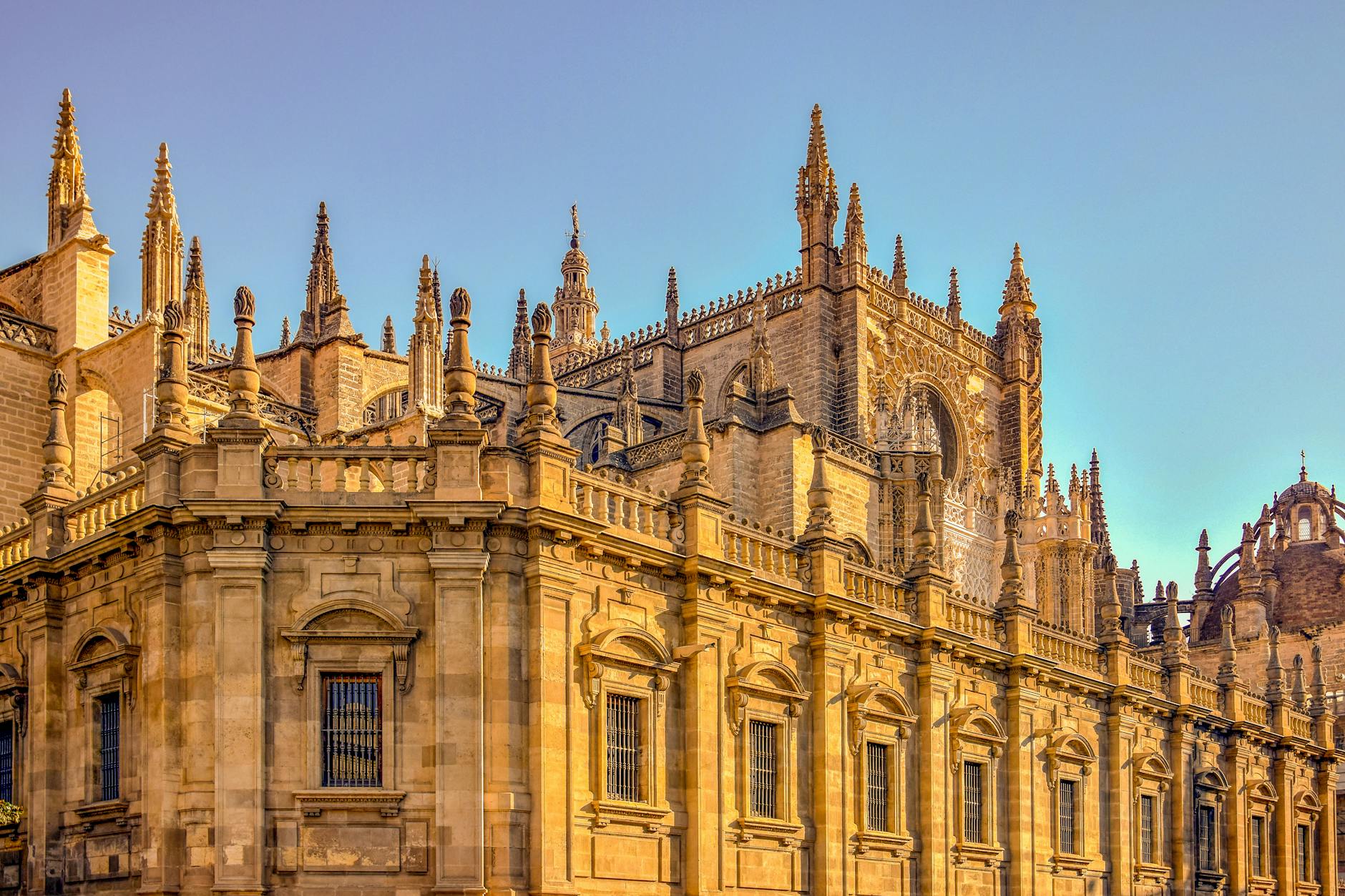
The Cathedral of Seville, a UNESCO World Heritage Site, epitomizes the fusion of Islamic, Christian, and secular influences in its Gothic and Renaissance architecture. Originally built as a mosque in 1198, it was transformed into a cathedral after Seville’s Reconquista in 1248. The construction commenced in 1401, aiming to surpass all other cathedrals. The Giralda tower, originally a minaret, showcases this cultural blend. Housing remarkable artistic treasures, including the largest altarpiece, the cathedral symbolizes Seville’s power and historical significance. Today, it faces preservation challenges due to environmental factors and tourism, yet remains a vital spiritual and cultural landmark.
-
Exploring the Uffizi Galleries: Art, History, and Renaissance Legacies

Introduction The Uffizi Galleries, located in Florence, are one of the world’s most renowned museums, housing an extensive collection of art from the Italian Renaissance and beyond. Originally conceived as administrative offices by Giorgio Vasari for Francesco I de’ Medici in the 16th century, the Uffizi evolved into a prominent public gallery showcasing the wealth and artistic legacy of the powerful Medici family. Over the centuries, it has become a symbol of Florence’s cultural heritage and a major destination for art lovers globally. The gallery’s collection boasts masterpieces by iconic artists like Leonardo da Vinci, Botticelli, Raphael, and Michelangelo. However,…
-
Puerta del Sol: The Amazing Heart of Madrid
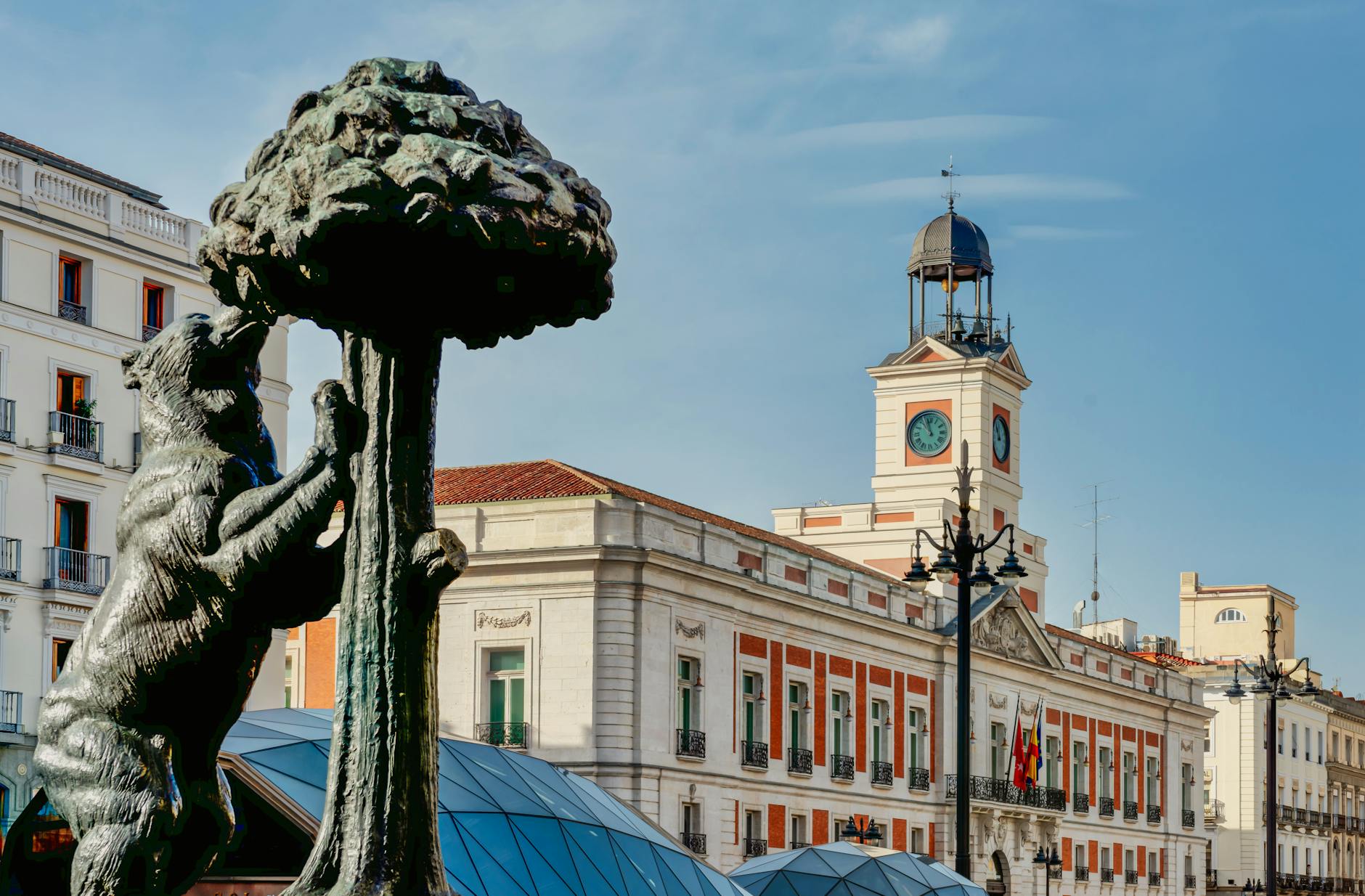
The Puerta del Sol is one of Madrid’s most iconic landmarks and a focal point of Spanish culture and history. Nestled in the heart of the capital, this vibrant square has evolved over centuries from a gateway in the city’s medieval walls to a bustling hub of activity. It serves as Spain’s Kilómetro Cero, the symbolic starting point of the country’s road network, and is steeped in historical significance as a witness to revolutions, political movements, and joyous celebrations.
-
Exploring the Sagrada Familia: Gaudí’s Architectural Marvel

The Basilica of the Sagrada Familia in Barcelona, Spain, stands as an extraordinary testament to human creativity and devotion. Conceived by visionary architect Antoni GaudÃ, this iconic structure marries intricate architectural ingenuity with profound spiritual symbolism. Since its foundation in 1882, the basilica has fascinated millions with its unique blend of Gothic and Art Nouveau styles. Despite being under construction for over 140 years, it is celebrated as one of the most remarkable architectural projects in history. From its detailed façades to its awe-inspiring interior, every element of the Sagrada Familia is infused with meaning, reflecting GaudÃ’s deep faith and…
-
The history of Berlin: A great journey of transformation
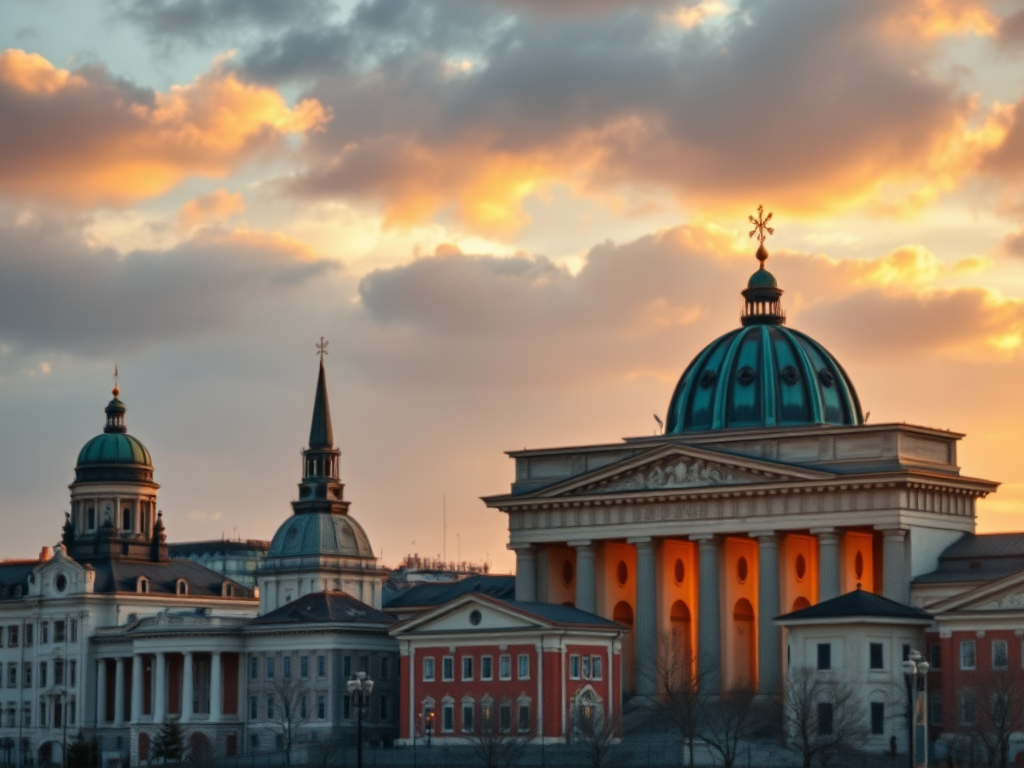
The history of Berlin, Germany’s capital, has evolved from a 13th-century trading post into a vibrant, influential metropolis, embodying resilience and cultural dynamism. Its history includes significant periods such as the Prussian and Imperial Eras, where it became an economic powerhouse, and the tumultuous Weimar Republic marked by creative flourishing and political instability. Under Nazi rule, Berlin faced harsh oppression and destruction during WWII. The Cold War divided the city, symbolizing global ideological conflicts, particularly with the Berlin Wall’s construction in 1961. Its fall in 1989 led to reunification, transforming Berlin into a cosmopolitan hub, celebrated for culture and innovation…
-
The history of Lisbon: A Cultural Capital Shaped by History
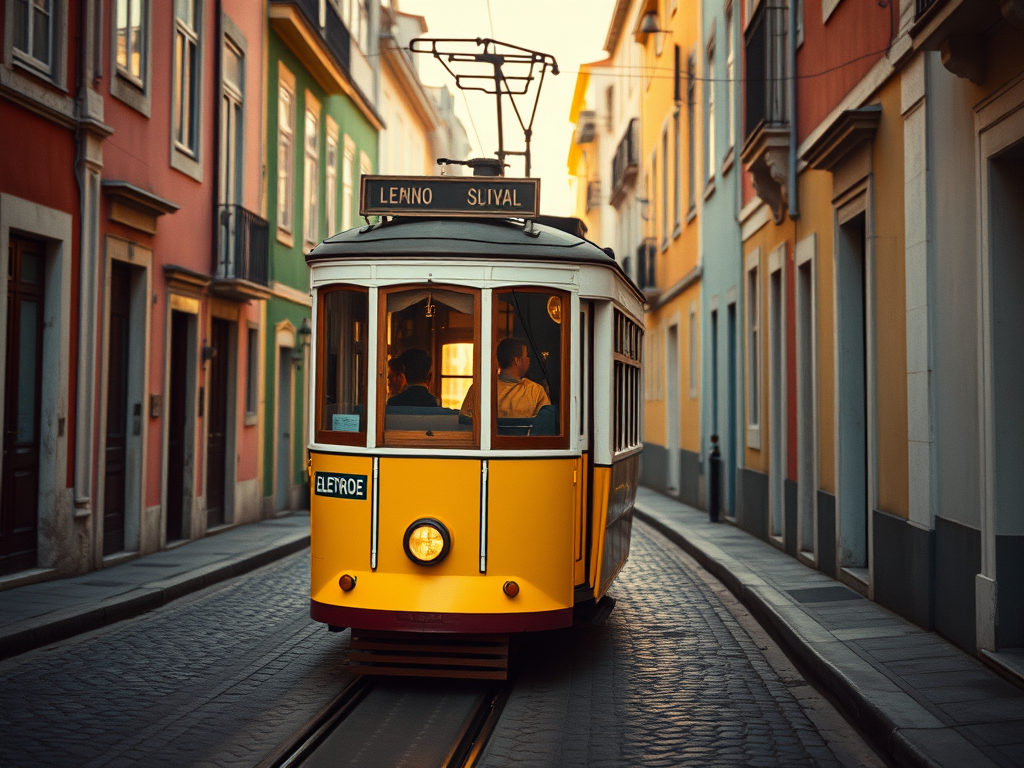
Lisbon, the capital of Portugal, has a rich history marked by its strategic location along the Tagus River. Its origins date back to 1200 BCE with the Phoenicians establishing a trading post. Over centuries, the history of Lisbon absorbed influences from various civilizations, including the Greeks, Romans, and Moors. The city flourished during the Age of Discovery, becoming a global maritime hub. However, the 1755 earthquake devastated it, leading to significant reconstruction. The 20th century saw political upheaval, including the overthrow of the monarchy and the Estado Novo regime. Today, Lisbon is a vibrant cultural and technological center that celebrates…
-
The History of the National Gallery: London’s Cultural Treasure

The National Gallery in London is one of the world’s most renowned art institutions, housing a vast collection that spans centuries of artistic excellence. Founded in 1824, the gallery began with just 38 paintings purchased from the collection of the banker and patron John Julius Angerstein. Its mission was to make art accessible to the public, offering an unparalleled experience to learn from and engage with European masterpieces across periods and styles. Over nearly two centuries, the National Gallery has grown both in its collection and influence, now possessing over 2,300 works, ranging from medieval to post-impressionist masterpieces.
-
Santa Maria del Fiore: A Renaissance Masterpiece in Florence

The Cathedral of Santa Maria del Fiore, or Florence Cathedral, is a magnificent symbol of Renaissance art and architecture that dominates the skyline of Florence, Italy. With its stunning dome engineered by Filippo Brunelleschi, this cathedral has not only been a center of religious activity but also a testament to the city’s cultural and historical significance. The construction of the cathedral began in 1296, and it was consecrated in 1436. The intricate artwork, innovative architectural techniques, and rich history of the Cathedral of Santa Maria del Fiore make it a must-visit landmark for millions of tourists and pilgrims each year.
-
How Hernán Cortés Conquered the Aztec Empire
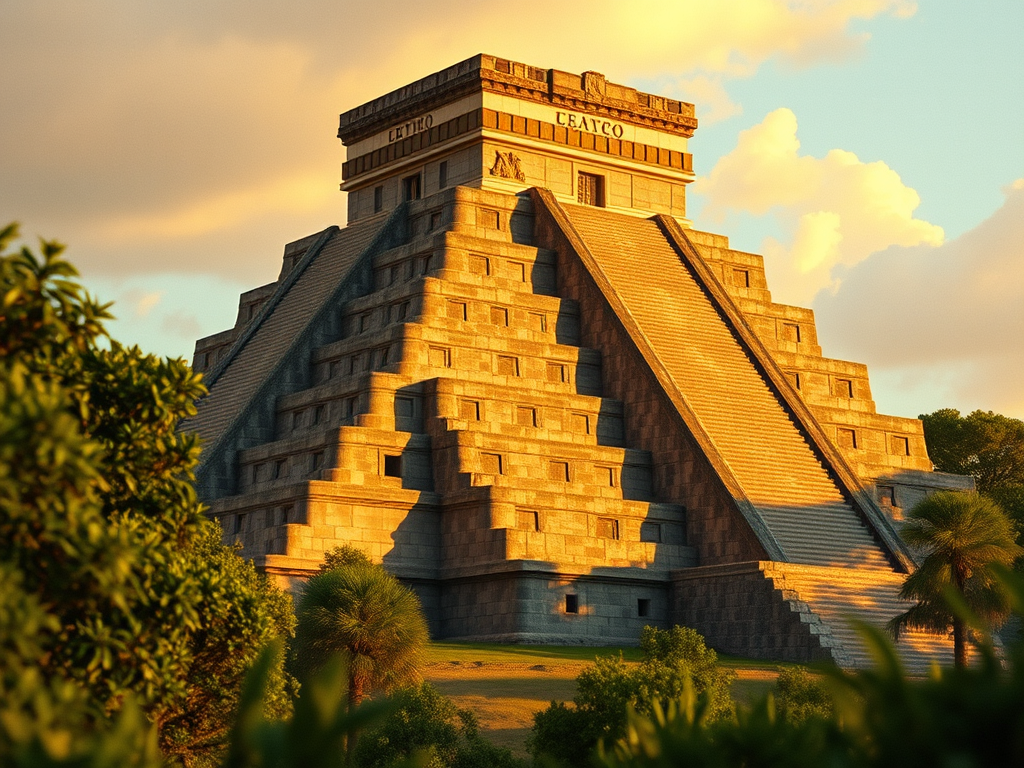
In 1519, Spanish conquistador Hernán Cortés embarked on a fateful journey to Mexico, setting in motion the events that would lead to the fall of the powerful Aztec Empire. His expedition marked one of the most transformative—and devastating—episodes in world history, driven by the Spanish quest for wealth, religious conversion, and expansion. As Cortés ventured deeper into Aztec lands, he forged alliances with local tribes, encountered fierce resistance, and employed a blend of diplomacy, warfare, and strategy to achieve his goals. This article explores the stages of Cortés’s journey, from his arrival on Mexico’s coast to the capture of Tenochtitlan…
-
The Transformation of Constantinople into Istanbul: A Historical Overview
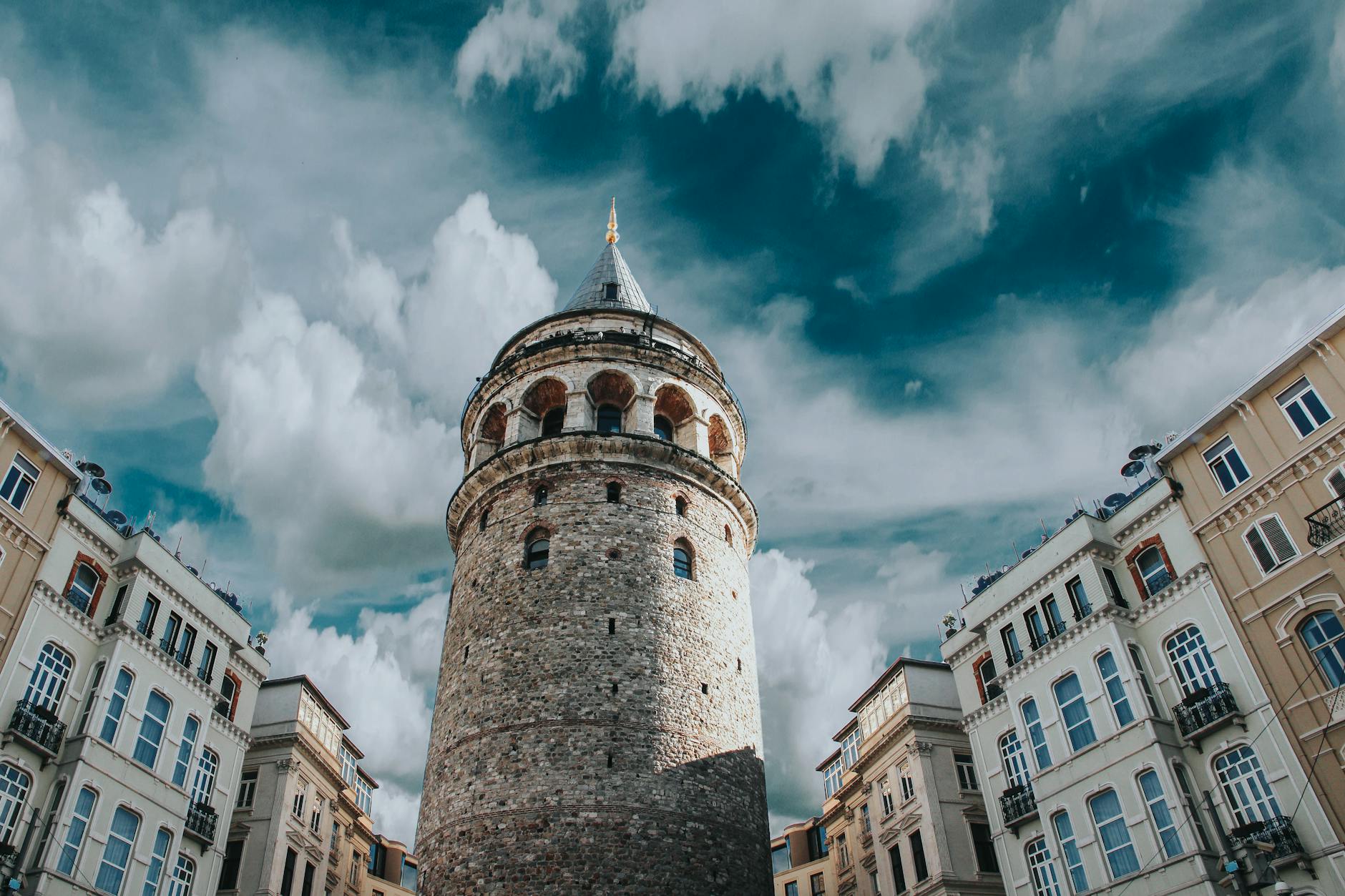
Istanbul, straddling Europe and Asia, stands among the world’s richest cities in terms of history and culture. Founded millennia ago, this iconic city played central roles in some of history’s greatest empires, including the Roman, Byzantine, and Ottoman empires. Known as Byzantium, then Constantinople, and finally Istanbul, it retains the imprint of each era and civilization it hosted. Every chapter in its history has added layers to its diversity, with mosques, churches, and palaces that rise as silent witnesses to its past. Today, Istanbul remains a vibrant crossroads of cultures and a constantly evolving metropolis.
-
The amazing Turin, Italy: A Historical and Economic Journey (2025 update)

Turin, the capital of the Piedmont region in northern Italy, is a city steeped in history, culture, and economic significance. Often overshadowed by Italy’s more famous tourist destinations such as Rome, Florence, and Venice, Turin offers its own unique charm with a blend of historical grandeur, industrial prowess, and cultural richness. The city has been at the forefront of Italy’s economic and political transformations, serving as a capital city during critical moments in the country’s unification and industrialization.
-
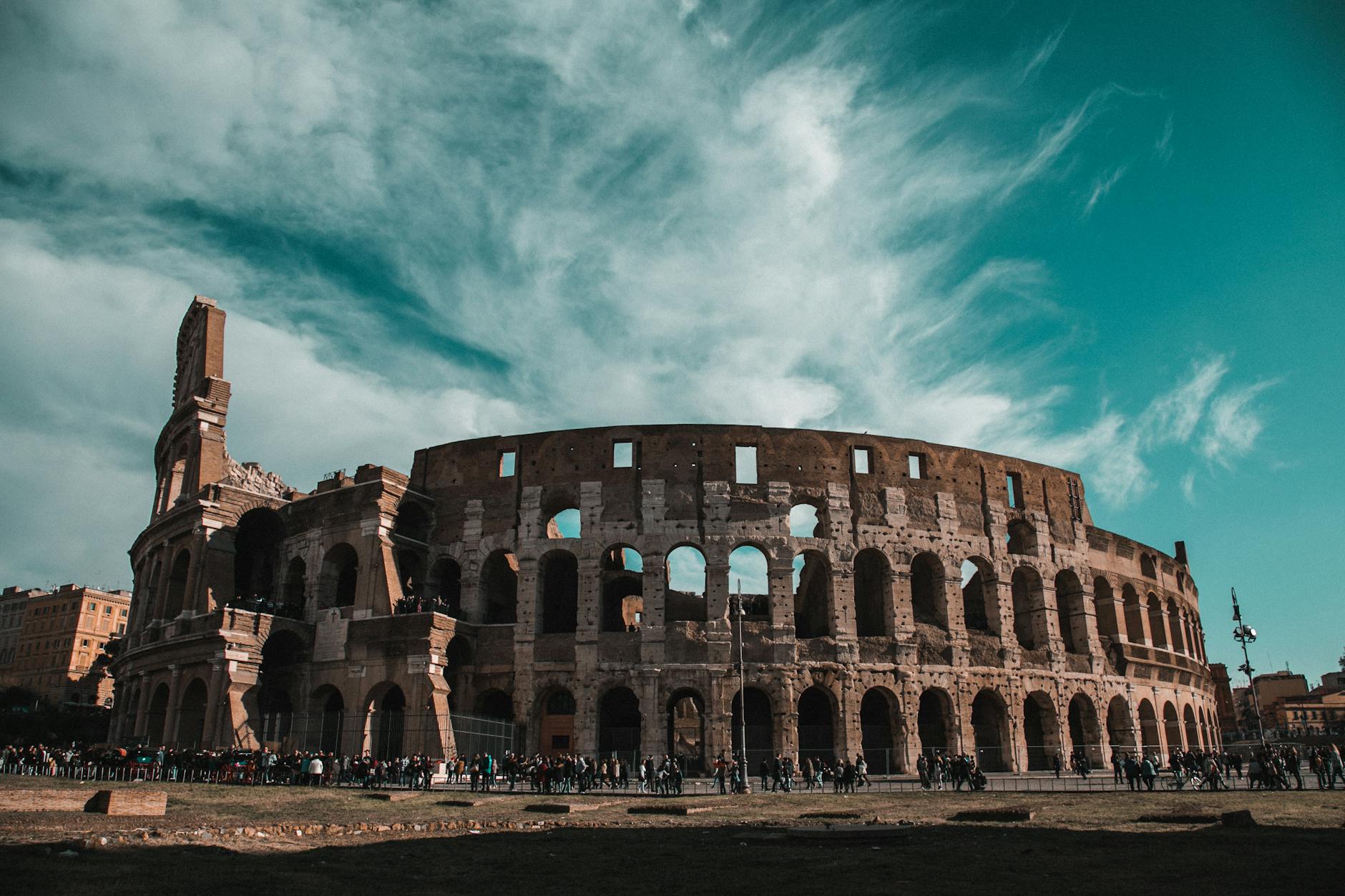
The great history of the Colosseum: Architecture, Construction and its impact in Rome

The article explores the history of the Colosseum construction, and significance within Roman society. Built under Emperor Vespasian and completed under Titus, the Colosseum symbolizes Roman engineering prowess and reflects the social hierarchy of the era. It served as a venue for gladiatorial games, animal hunts, and public spectacles, illustrating the emperors’ power and the culture of entertainment in ancient Rome. The structure faced decline after the 4th century due to changing social attitudes and natural disasters but was later recognized as a sacred site. Today, the Colosseum stands as a historical monument, representing the Roman Empire’s legacy.
-
Discovering the amazing Potala Palace: A UNESCO Heritage Site (2025 update)

Perched atop the Marpo Ri hill at an altitude of 3,700 meters (12,100 feet) above sea level, the Potala Palace is one of the most iconic symbols of Tibet and Tibetan Buddhism. This ancient structure, dominating the skyline of Lhasa, has served not only as the residence of the Dalai Lamas but also as a sacred site of immense religious and political significance. Its unique blend of spiritual, political, and architectural marvels has made the Potala Palace a UNESCO World Heritage Site and one of the most revered landmarks in Asia.
-
The great History of San Francisco: From Indigenous Lands to a Global Metropolis
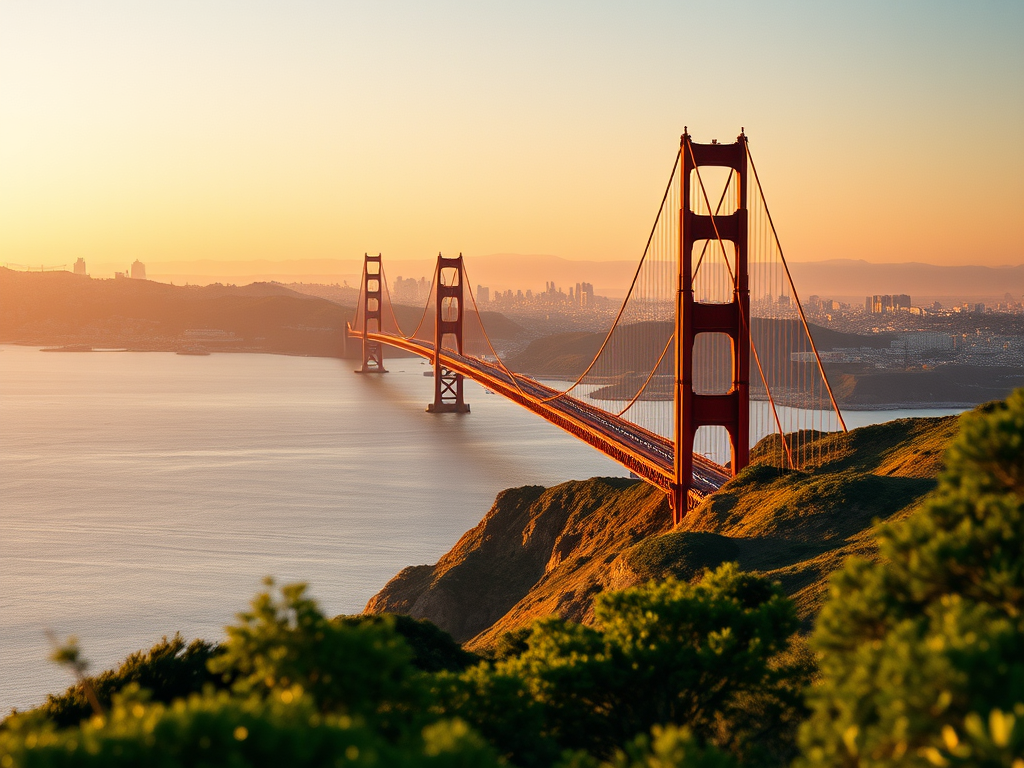
San Francisco is a historically significant U.S. city known for its cultural diversity and technological innovations. Originally inhabited by the Ohlone people, it underwent transformation following Spanish colonization and became a Mexican territory. The U.S. claim during the Mexican-American War in 1846 transitioned Yerba Buena into San Francisco, booming during the Gold Rush. Subsequent growth included technological advancements and an influx of immigrants. Major events, like the 1906 earthquake, led to modernization. The city emerged as a LGBTQ+ rights leader while also becoming a tech hub due to Silicon Valley. Currently, it faces challenges like housing costs and homelessness yet…
-
The Tower Bridge: A Marvel of Victorian Engineering and Architecture (2025 update)
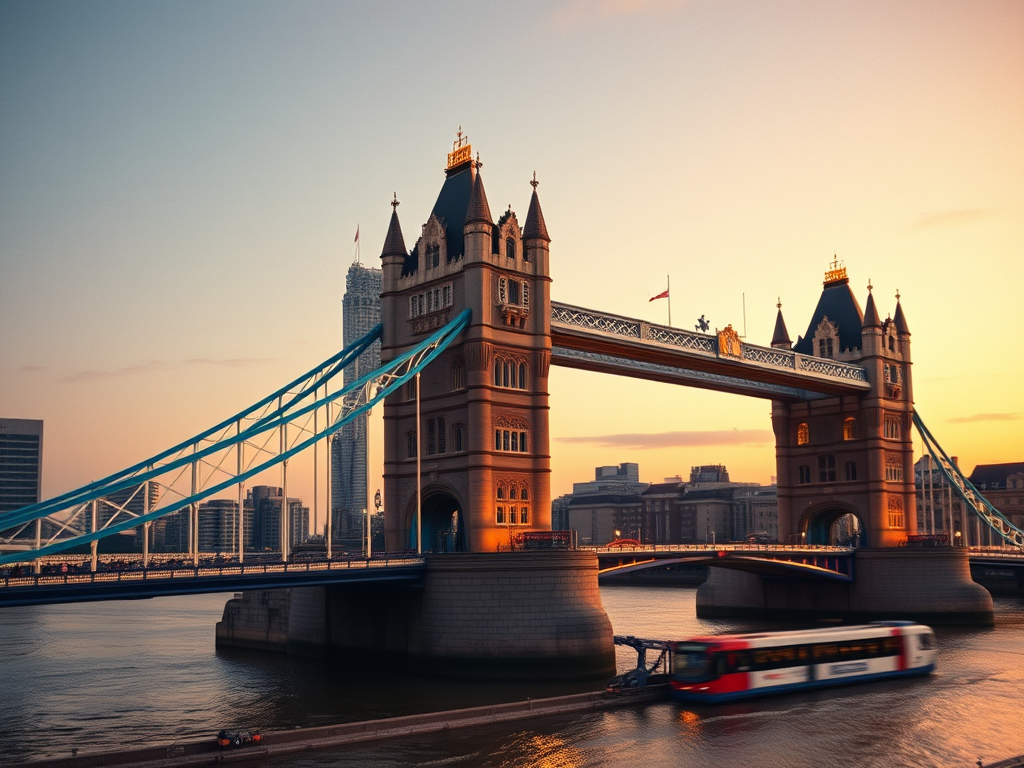
The Tower Bridge is one of the most iconic landmarks in London, instantly recognizable by its twin Gothic towers and bascules that open to allow ships to pass through. Since its completion in 1894, the bridge has stood as a symbol of British innovation, merging architectural beauty with cutting-edge engineering. Its unique combination of function and form has made it a global icon of London and a testament to Victorian ingenuity.