Category: Buildings & Architecture
Step into the architectural marvels, grand monuments, and historic structures that defined civilizations throughout history. From ancient stone temples and medieval castles to iconic cathedrals and groundbreaking structural landmarks, explore the engineering feats and design philosophies of past eras. Delve into how changing architectural styles reflected technological advances, cultural shifts, and the ambition of empires across the centuries.
-
Notre Dame Cathedral: History, Fire, and Restoration
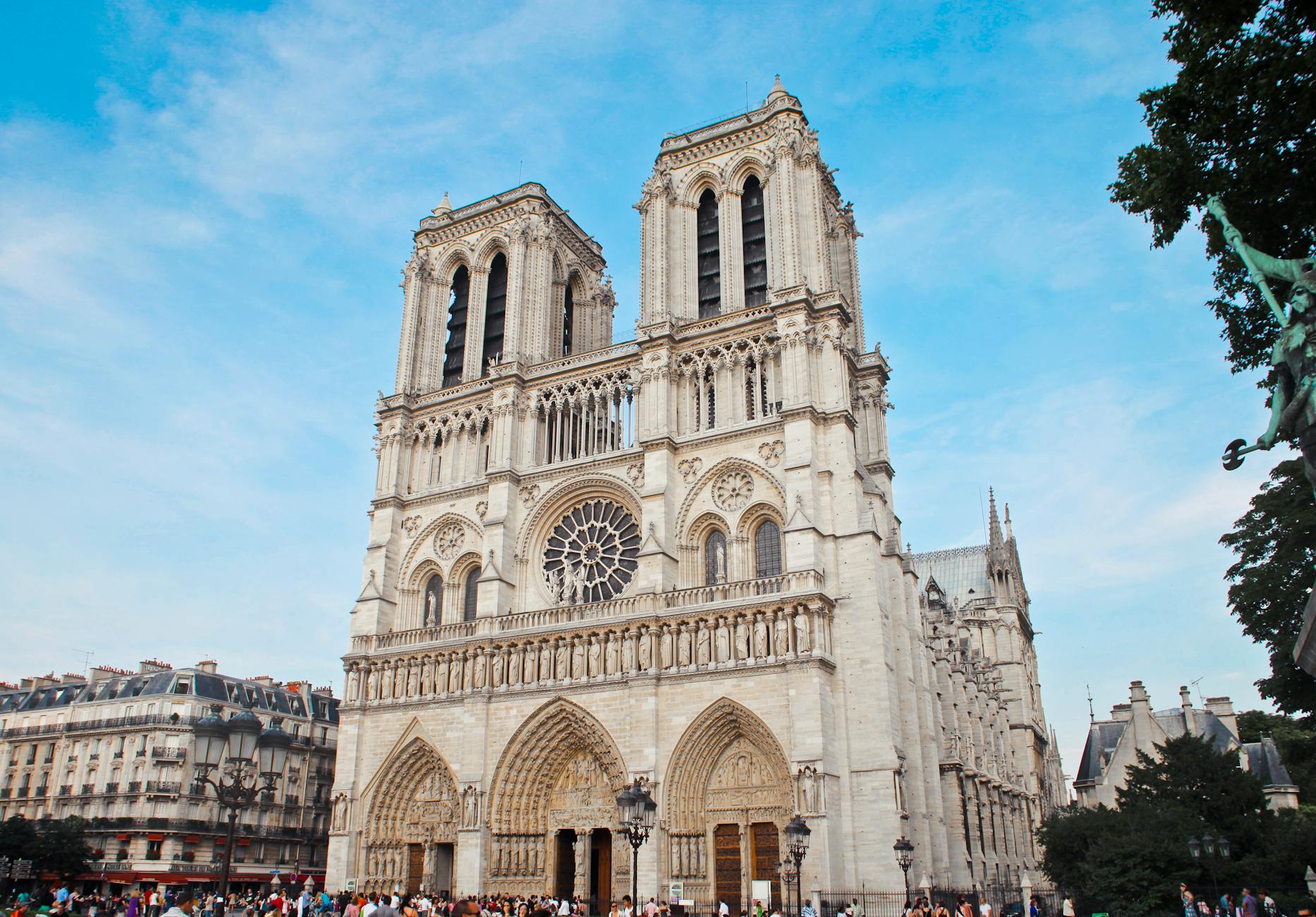
The Notre Dame Cathedral in Paris symbolizes faith, artistry, and resilience, having undergone nearly 200 years of construction and numerous historical events. From its beginnings in the 12th century, it evolved into a spiritual center and civic landmark, becoming integral to Parisian identity. The cathedral suffered significant damage during the French Revolution but was restored in the 19th century by Eugène Viollet-le-Duc. The tragic fire of April 2019 prompted a global response, highlighting the need for preservation. Ongoing restoration efforts aim to revive Notre Dame while blending traditional craftsmanship with modern technology, ensuring its legacy endures for future generations.
-
Discover the history of the amazing Pantheon of Rome
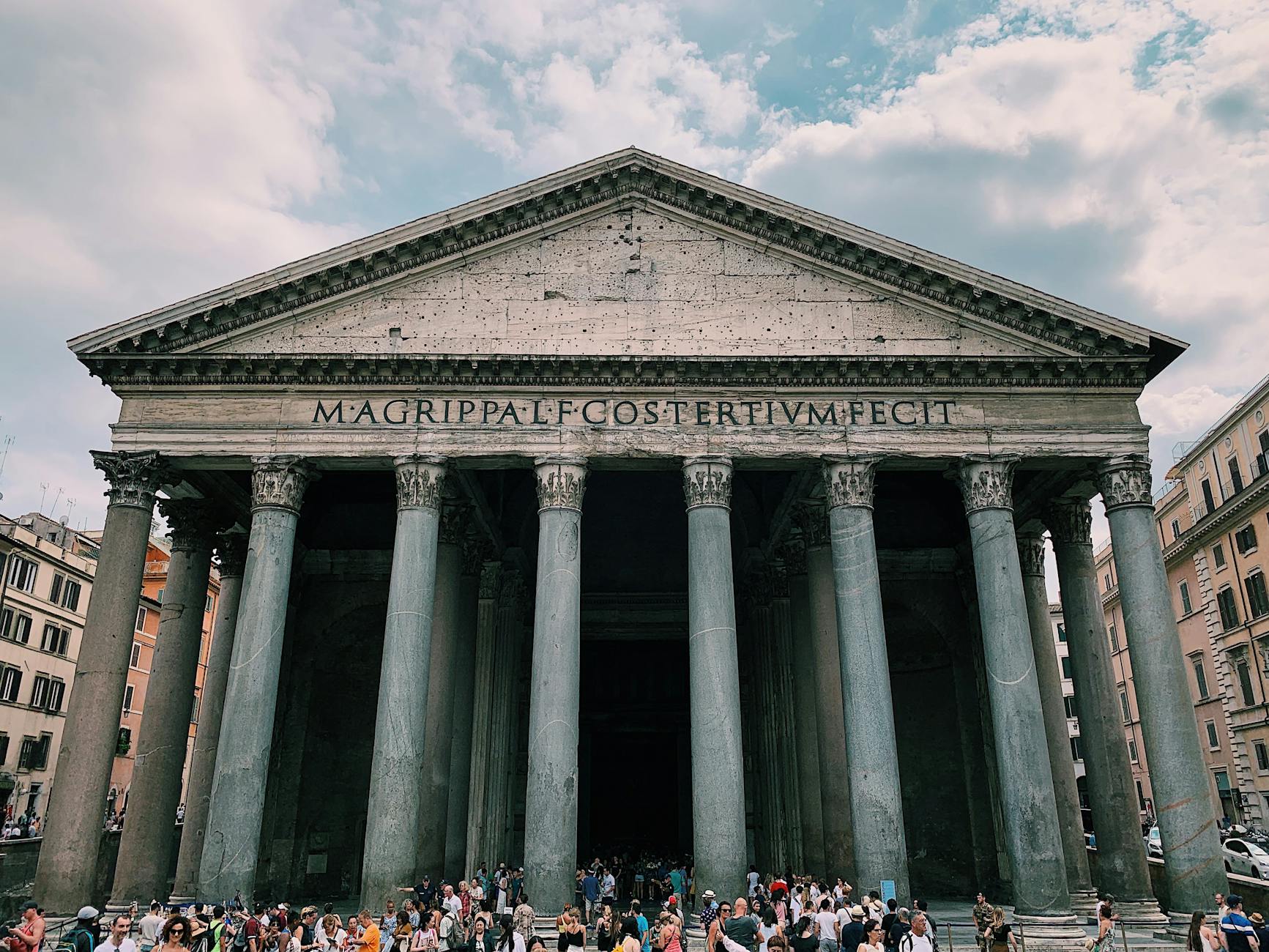
The Pantheon of Rome is a remarkable example of ancient architecture and engineering, originally built as a temple for all Roman gods during Emperor Hadrian’s reign in the early 2nd century CE. Its iconic dome, featuring a central oculus, symbolizes the universe and showcases innovative construction techniques with Roman concrete. Over time, the Pantheon transformed from a pagan temple into a Christian church in the 7th century, reflecting Rome’s evolving identity. Its architectural design has influenced numerous structures throughout history and continues to serve as a symbol of resilience and power. Modern preservation efforts ensure its legacy endures for future…
-
The History and Art of the marvelous Fontana di Trevi of Rome

The Fontana di Trevi, an iconic masterpiece of Baroque art, symbolizes Rome’s rich history and cultural significance. Originating from ancient Roman aqueducts, it evolved through Renaissance visions to become a grand structure designed by architect Nicola Salvi in the 18th century. The fountain features intricate sculptures embodying themes of mythology, human interaction with nature, and water’s transformative power. It has gained immense popularity through films and coin-tossing traditions, reinforcing its status as a cultural icon. Modern conservation efforts continue to preserve its integrity, ensuring the Trevi Fountain remains a timeless treasure that captivates millions of visitors annually.
-
Exploring the amazing Cathedral of Seville: History & Art
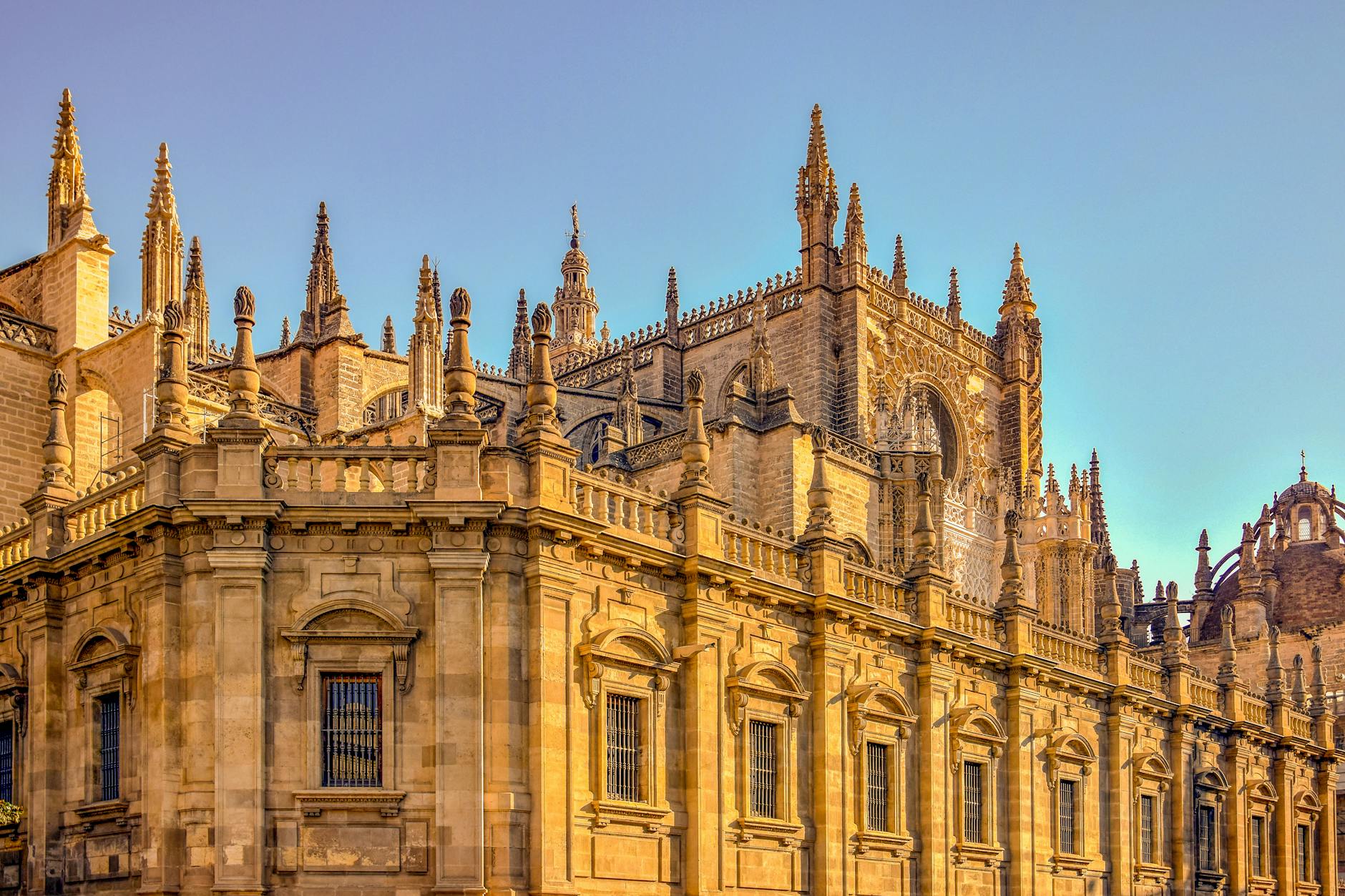
The Cathedral of Seville, a UNESCO World Heritage Site, epitomizes the fusion of Islamic, Christian, and secular influences in its Gothic and Renaissance architecture. Originally built as a mosque in 1198, it was transformed into a cathedral after Seville’s Reconquista in 1248. The construction commenced in 1401, aiming to surpass all other cathedrals. The Giralda tower, originally a minaret, showcases this cultural blend. Housing remarkable artistic treasures, including the largest altarpiece, the cathedral symbolizes Seville’s power and historical significance. Today, it faces preservation challenges due to environmental factors and tourism, yet remains a vital spiritual and cultural landmark.
-
Puerta del Sol: The Amazing Heart of Madrid
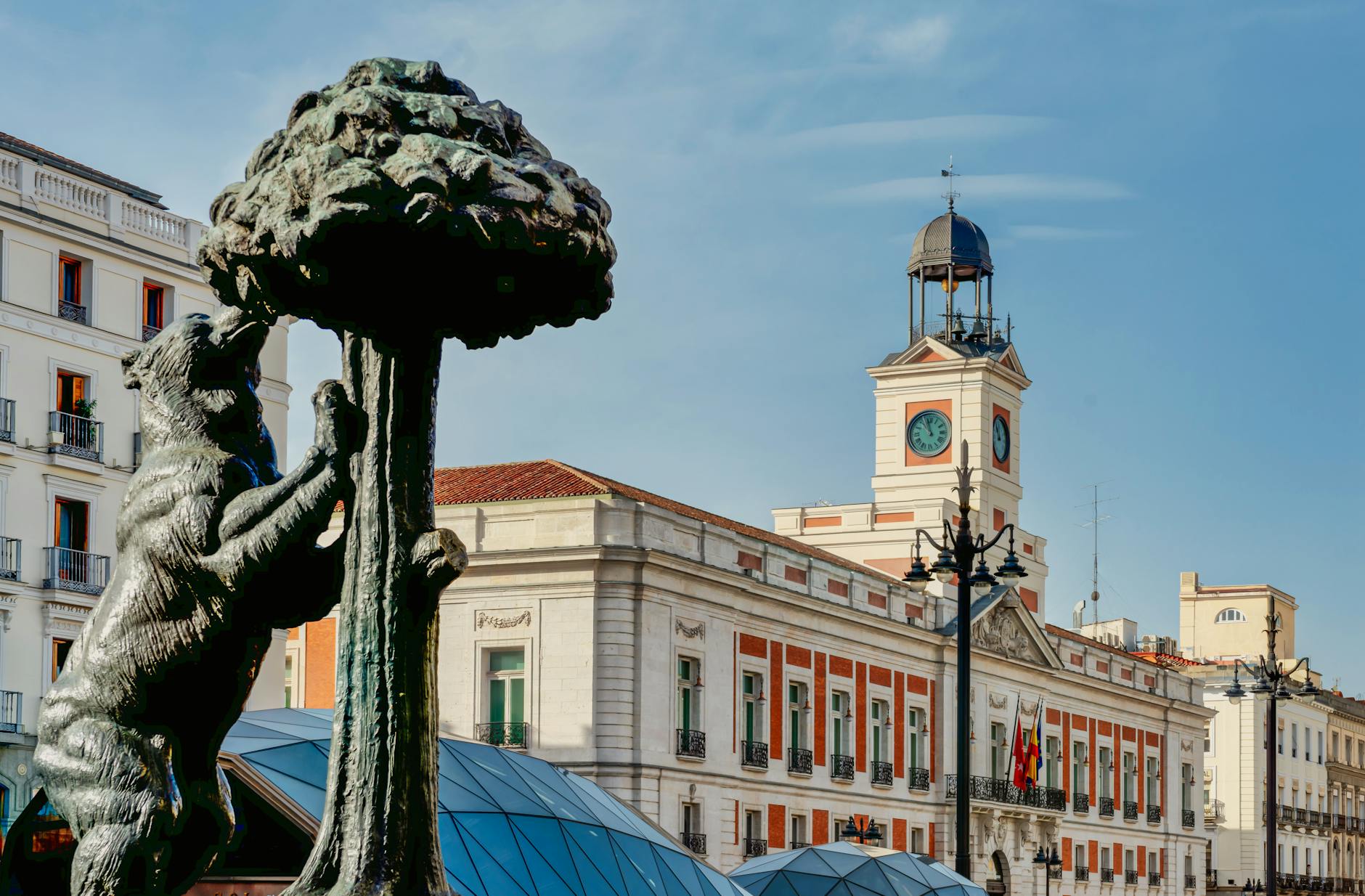
The Puerta del Sol is one of Madrid’s most iconic landmarks and a focal point of Spanish culture and history. Nestled in the heart of the capital, this vibrant square has evolved over centuries from a gateway in the city’s medieval walls to a bustling hub of activity. It serves as Spain’s Kilómetro Cero, the symbolic starting point of the country’s road network, and is steeped in historical significance as a witness to revolutions, political movements, and joyous celebrations.
-
Exploring the Sagrada Familia: Gaudí’s Architectural Marvel

The Basilica of the Sagrada Familia in Barcelona, Spain, stands as an extraordinary testament to human creativity and devotion. Conceived by visionary architect Antoni GaudÃ, this iconic structure marries intricate architectural ingenuity with profound spiritual symbolism. Since its foundation in 1882, the basilica has fascinated millions with its unique blend of Gothic and Art Nouveau styles. Despite being under construction for over 140 years, it is celebrated as one of the most remarkable architectural projects in history. From its detailed façades to its awe-inspiring interior, every element of the Sagrada Familia is infused with meaning, reflecting GaudÃ’s deep faith and…
-
Santa Maria del Fiore: A Renaissance Masterpiece in Florence

The Cathedral of Santa Maria del Fiore, or Florence Cathedral, is a magnificent symbol of Renaissance art and architecture that dominates the skyline of Florence, Italy. With its stunning dome engineered by Filippo Brunelleschi, this cathedral has not only been a center of religious activity but also a testament to the city’s cultural and historical significance. The construction of the cathedral began in 1296, and it was consecrated in 1436. The intricate artwork, innovative architectural techniques, and rich history of the Cathedral of Santa Maria del Fiore make it a must-visit landmark for millions of tourists and pilgrims each year.
-
The great history of the Colosseum: Architecture, Construction and its impact in Rome

The article explores the history of the Colosseum construction, and significance within Roman society. Built under Emperor Vespasian and completed under Titus, the Colosseum symbolizes Roman engineering prowess and reflects the social hierarchy of the era. It served as a venue for gladiatorial games, animal hunts, and public spectacles, illustrating the emperors’ power and the culture of entertainment in ancient Rome. The structure faced decline after the 4th century due to changing social attitudes and natural disasters but was later recognized as a sacred site. Today, the Colosseum stands as a historical monument, representing the Roman Empire’s legacy.
-
Discovering the amazing Potala Palace: A UNESCO Heritage Site (2025 update)

Perched atop the Marpo Ri hill at an altitude of 3,700 meters (12,100 feet) above sea level, the Potala Palace is one of the most iconic symbols of Tibet and Tibetan Buddhism. This ancient structure, dominating the skyline of Lhasa, has served not only as the residence of the Dalai Lamas but also as a sacred site of immense religious and political significance. Its unique blend of spiritual, political, and architectural marvels has made the Potala Palace a UNESCO World Heritage Site and one of the most revered landmarks in Asia.
-
The Tower Bridge: A Marvel of Victorian Engineering and Architecture (2025 update)
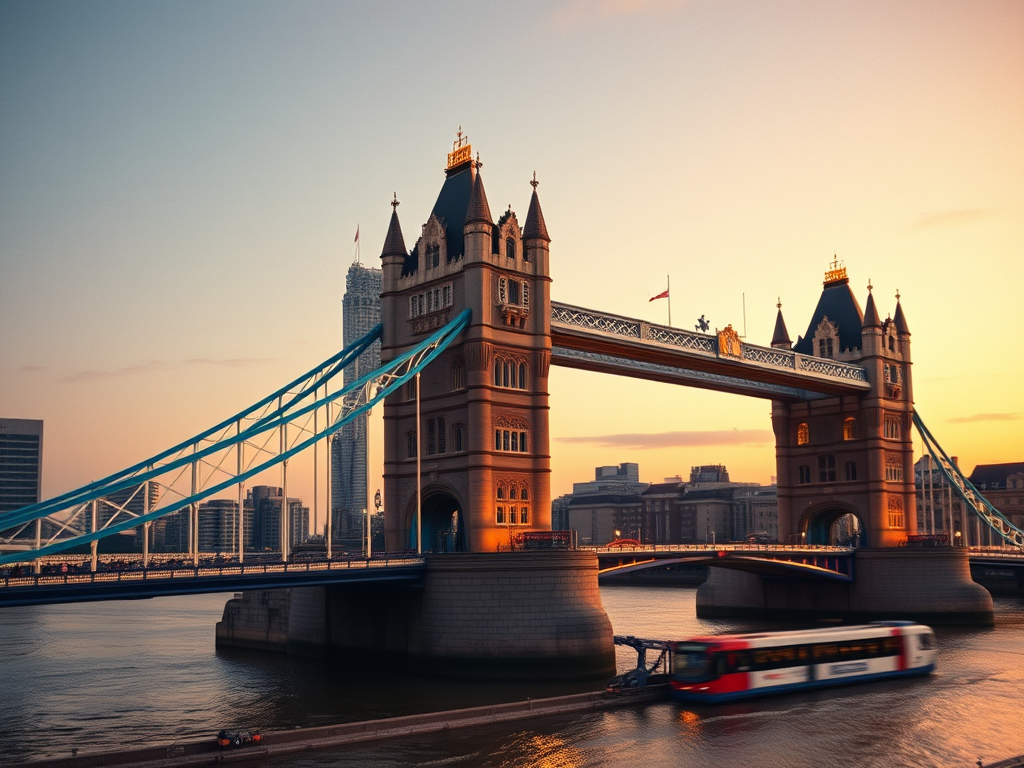
The Tower Bridge is one of the most iconic landmarks in London, instantly recognizable by its twin Gothic towers and bascules that open to allow ships to pass through. Since its completion in 1894, the bridge has stood as a symbol of British innovation, merging architectural beauty with cutting-edge engineering. Its unique combination of function and form has made it a global icon of London and a testament to Victorian ingenuity.