Category: Business
Stay informed with the latest trends, insights, and strategies in finance, economy, and business. Our expert articles cover everything from investment tips and market analysis to economic forecasts and business growth strategies. Get valuable information to make smarter financial decisions and stay ahead in the competitive world of business.
-
The History of Costco: Business Model Innovation Through the Years

Costco Wholesale Corporation, founded in 1983, revolutionized retail with its membership-based model centered on customer value. Initially inspired by Price Club, Costco differentiated itself with a focus on efficiency and high-volume sales. Key milestones include merging with Price Club in 1993 and launching the Kirkland Signature private label in 1995, enhancing quality and value. Its supply chain innovations, such as just-in-time inventory, enable competitive pricing. Facing challenges like e-commerce growth and inflation, Costco also seizes opportunities in sustainability and technology. By staying adaptive, Costco aims to maintain its leadership position in an evolving retail landscape while prioritizing customer satisfaction.
-
The Fascinating Journey of Pandora Jewelry: A Brand History

Pandora Jewelry, founded in 1982 by Per and Winnie Enevoldsen in Copenhagen, has evolved from a small shop into a global leader in personalized jewelry, renowned for its charm bracelets. The brand’s breakthrough came in 2000 with the launch of these customizable pieces, allowing consumers to express their personal stories. Strategic marketing and global expansion, including a franchise model and effective use of social media, contributed to its rapid growth. Committed to sustainability, Pandora aims to use solely recycled materials by 2025 and supports ethical practices. As it embraces future trends, Pandora continues to innovate while maintaining its core values…
-
The History of Aston Martin

Aston Martin, established in 1913, epitomizes luxury and high-performance automotive engineering. The company began with Lionel Martin and Robert Bamford’s vision, introducing innovative models like the racing-focused DB series, which elevated its status in popular culture—most notably through its association with James Bond. Despite facing financial challenges and ownership changes, Aston Martin evolved by focusing on innovation, introducing models like the DB7 and hybrid Valhalla. The brand is committed to sustainability and connectivity, ensuring its relevance in the modern automotive landscape. With a rich legacy intertwined with craftsmanship and performance, Aston Martin continues to captivate automotive enthusiasts.
-
The History of Vodafone: A Comprehensive Overview

Vodafone Group Plc, established in 1984 as a subsidiary of Racal Electronics, has transformed into a leading global telecommunications provider. It pioneered mobile technology, launching the first commercial mobile service in the UK in 1985, and introducing innovations like the handheld mobile phone, SMS, and the M-Pesa payment system. The company’s aggressive expansion strategy included key acquisitions such as AirTouch and operations in Europe, Asia, and Africa, bolstering its market presence. Focused on sustainability and technological advancement, Vodafone is now investing in 5G and IoT solutions, aiming to enhance customer experiences while promoting digital inclusion and social responsibility in a…
-
The History of NVIDIA
NVIDIA, founded in 1993 by Jensen Huang, Chris Malachowsky, and Curtis Priem, has evolved from a graphics technology startup to a leader in GPUs and AI. The launch of the GeForce 256 in 1999 marked a significant breakthrough in graphics processing, allowing for parallel data processing and transforming gaming. Over the years, NVIDIA diversified its offerings, venturing into data centers, AI, and automotive technology. Innovations like CUDA and developments in real-time ray tracing further solidified its dominance. As of 2023, NVIDIA stands as a key player in various sectors, poised for future growth amidst competition and technological evolution. Discover the…
-
The History of Starbucks: A Journey Through Coffee Culture

Starbucks, founded in 1971 in Seattle, has transformed from a single store focusing on coffee beans to a global coffeehouse leader, influencing coffee culture worldwide. Under Howard Schultz’s direction, Starbucks evolved to sell brewed coffee and espresso-based drinks, establishing a strong community-centric brand while embracing ethical sourcing practices. Its growth surged in the 90s through public offerings and strategic acquisitions, expanding into international markets. Noteworthy innovations include the Frappuccino and mobile ordering app, enhancing customer engagement. Despite facing challenges like competition and economic downturns, Starbucks’ adaptability and commitment to quality and sustainability continue to solidify its market presence and cultural…
-
The History of Novo Nordisk

Novo Nordisk, founded in 1923, has become a global leader in diabetes care and hormone replacement therapy. Originally a producer of insulin, the company has expanded its offerings to include innovative treatments for chronic diseases, emphasizing quality and accessibility. Significant milestones in its history include the development of human insulin through genetic engineering and modern insulin delivery systems. Novo Nordisk aims for global health equity by making treatments affordable and investing in sustainable practices. Looking ahead, the company focuses on advancing diabetes therapies, digital health solutions, and weight management, striving to improve patient outcomes and address emerging healthcare challenges.
-
The History of Netflix: From DVDs to Streaming Giant

Netflix, founded in 1997 by Reed Hastings and Marc Randolph, has evolved from a DVD rental service to a leading global streaming platform. Initially launched under a pay-per-rental model, it transitioned to a subscription service in 1999, eliminating late fees. The introduction of streaming in 2007 revolutionized content access. Netflix then expanded internationally, tailoring its offerings to various regions and producing original content starting in 2013, exemplified by hits like “House of Cards.” While facing competition and changing viewer habits, Netflix’s commitment to innovation and diverse storytelling positions it strategically for future growth amidst a dynamic entertainment landscape.
-
The History of Nintendo: A Journey Through Gaming Innovation

Nintendo, founded in 1889, began its journey as a playing card company and evolved into a leading force in the video game industry. Its significant transition occurred in the 1970s with the Color TV-Game and the groundbreaking success of “Donkey Kong” in 1981, introducing iconic characters like Mario. The launch of the NES in 1985 solidified its reputation, followed by further innovations with the Super Nintendo and Wii. Today, Nintendo remains influential, producing beloved franchises and adapting to new technologies, emphasizing family-friendly gaming. Its commitment to creativity ensures its legacy continues to shape the gaming landscape and popular culture.
-
The History of Apple Inc.: a journey through product innovation and facts

The story of Apple Inc. is one of innovation and adaptation. Founded in 1976 by Steve Jobs, Steve Wozniak, and Ronald Wayne, Apple emerged from a garage startup into a global tech leader. Key milestones include the introduction of the Macintosh, which popularized the graphical user interface, and later products like the iPod, iPhone, and iPad that transformed consumer technology. Despite facing financial struggles in the 1990s, the return of Steve Jobs brought renewed innovation. Under Tim Cook, Apple focuses on sustainability and expanding services while maintaining its commitment to user privacy. The company continues to evolve, promising future advancements…
-
The History of El Corte Inglés

El Corte Inglés, a prominent cultural icon in Spain, began as a small tailor shop in the 1940s and evolved into one of the world’s largest department store chains. Its expansion strategy involved diversifying product ranges beyond clothing to include household goods, electronics, and beauty products, effectively creating a one-stop shopping experience. Significant acquisitions, like Hipercor and GalerÃas Preciados, bolstered its market position, while international expansion, notably into Portugal and Latin America, allowed it to tap into new consumer bases. Facing modern challenges such as digitalization and sustainability, El Corte Inglés aims to innovate while maintaining its commitment to quality…
-
The History of the European Central Bank: Origins, Evolution, and Impact on Europe’s Economy

The European Central Bank (ECB), established in 1998, plays a vital role in Europe’s monetary governance, evolving from the need for a cohesive monetary policy amidst the Maastricht Treaty. Initially addressing post-World War II integration objectives, the ECB focuses on price stability, reflecting historical concerns about inflation. Governed by the European System of Central Banks, it adapts its strategies in response to economic crises, notably during the 2008 financial crisis and ensuing sovereign debt challenges. As the ECB faces future complexities, such as demographic shifts and climate change, its ability to manage diverse economic conditions remains crucial for maintaining stability…
-
The history of Intel: how the company Revolutionized Personal Computing and Data Centers
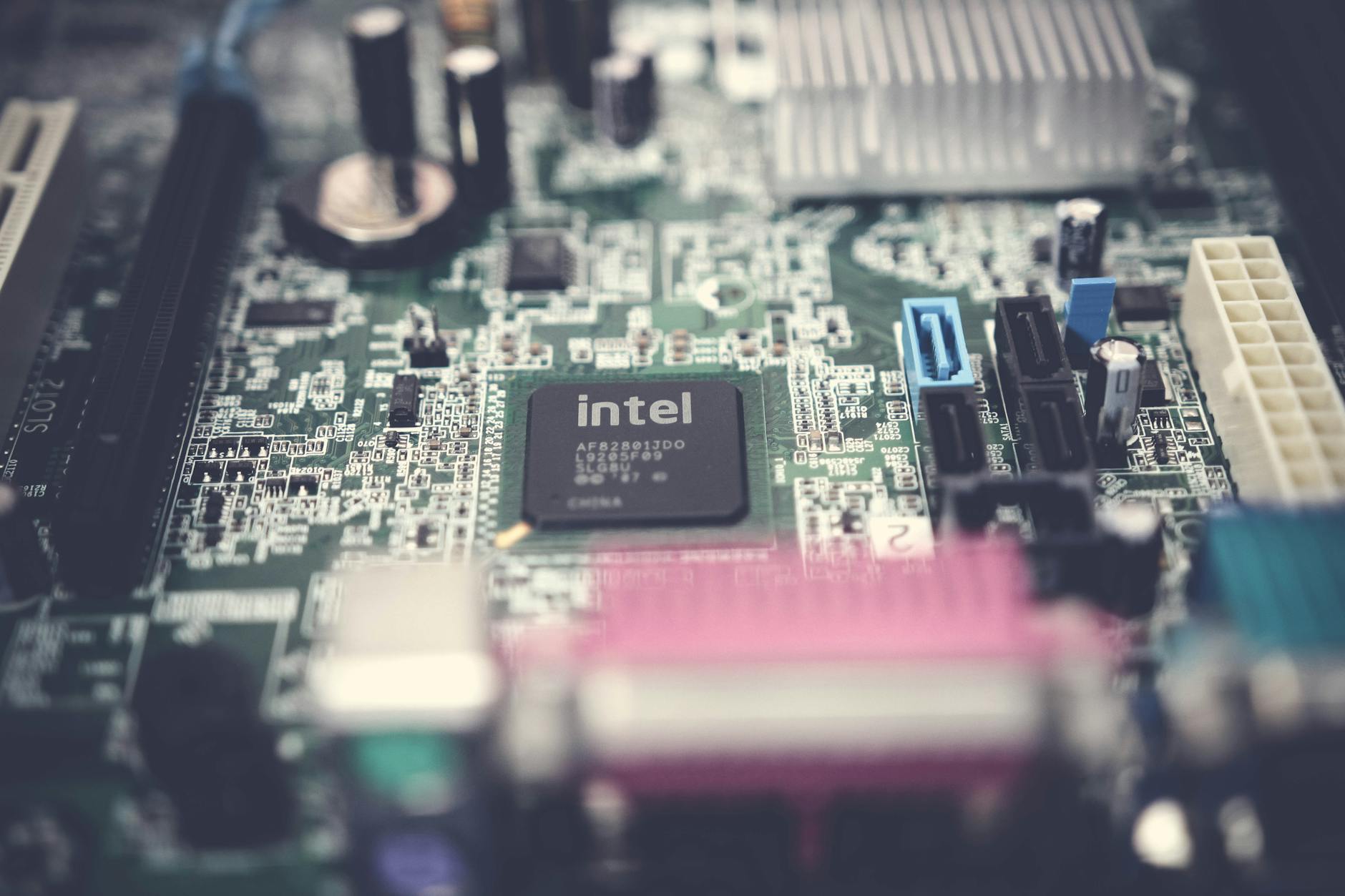
Intel Corporation, founded in 1968, has been a major player in the semiconductor industry, driving innovations that shaped modern computing. Initially focused on memory chips, it transitioned to microprocessors, launching the first commercial microprocessor, the Intel 4004, in 1971. This breakthrough enabled the personal computing revolution and established Intel’s dominance in the market. Throughout the 1980s and beyond, Intel’s processors powered countless PCs, key partnerships with IBM solidified its market position, and advances in manufacturing set industry standards. Despite facing increased competition, Intel adapted by investing in new technologies like AI and quantum computing, securing its legacy and future in…
-
The history of AMD: Innovation and Competition in the Semiconductor Industry
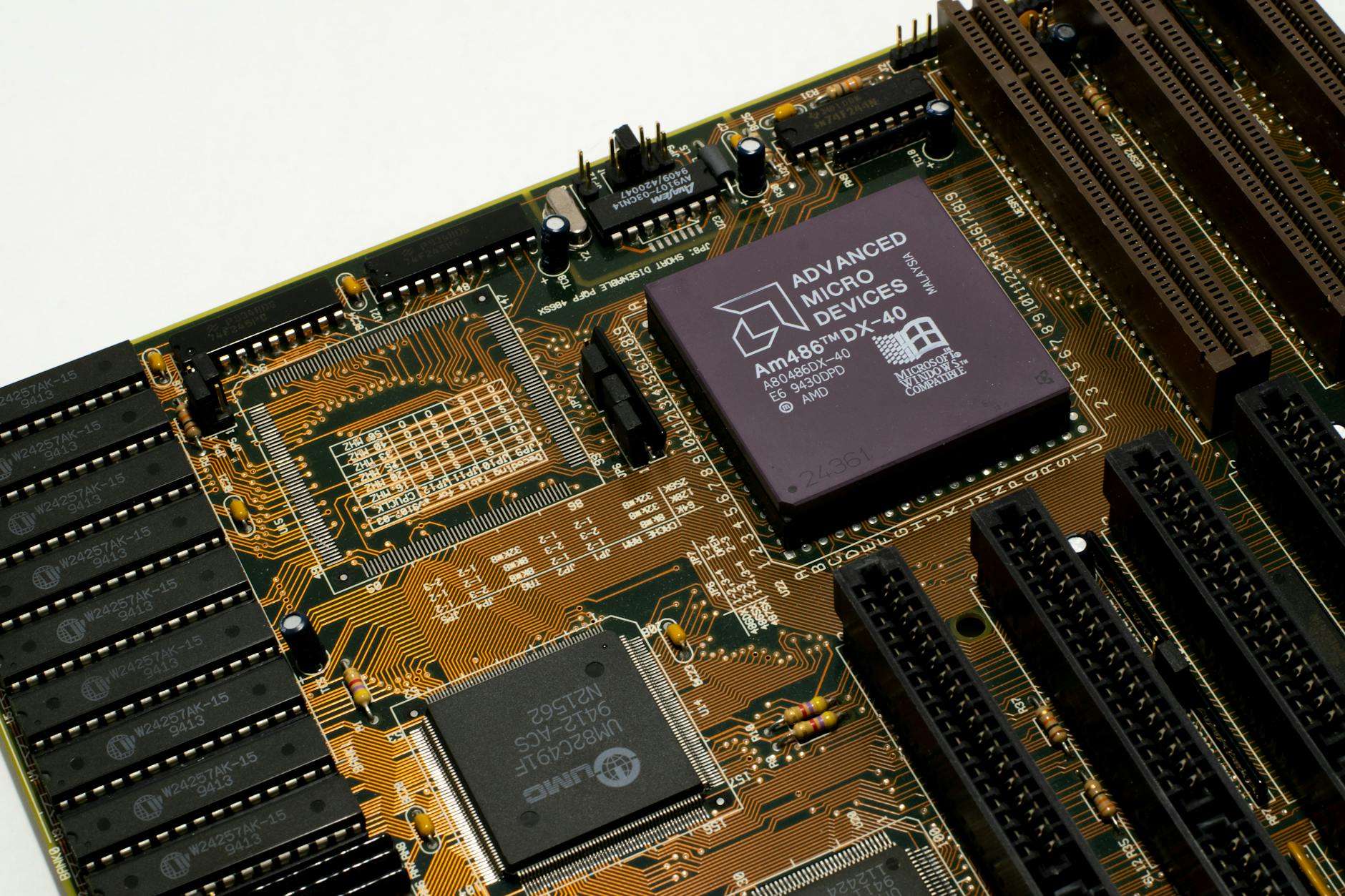
Advanced Micro Devices (AMD), founded in 1969, has established itself as a formidable competitor to semiconductor giants like Intel. Initially producing memory chips and logic components, AMD faced financial and technical hurdles but gained momentum through strategic licensing agreements and innovative products like the AM386 and Athlon series. AMD’s focus on performance and affordability enabled it to capture significant market share against Intel. The rivalry spurred technological advancements, such as the introduction of 64-bit and multi-core processors. Looking ahead, AMD aims to thrive in AI, cloud computing, and gaming, positioning itself strongly for future innovations and market opportunities.
-
The history of ASML: Leading Innovation in Semiconductor Lithography

ASML, founded in 1984 in the Netherlands, leads in photolithography technology crucial for semiconductor manufacturing. Its innovations, particularly the development of Extreme Ultraviolet (EUV) lithography, enable the production of smaller and more powerful microchips. Over the years, ASML has evolved from a small startup to a key player in the semiconductor industry, consistently pushing technological boundaries. However, it faces challenges like rising manufacturing complexities and geopolitical tensions affecting market access. Despite these, ASML benefits from growing demands for advanced semiconductors, especially with the rise of AI, machine learning, and emerging technologies, ensuring its pivotal role in the future of tech.
-
How IBM Changed Technology: Key Milestones Over the Years

IBM, founded in the early 20th century, has evolved from producing mechanical devices to becoming a leader in advanced technologies like AI, cloud computing, and quantum computing. Its initial success stemmed from innovations in business automation, notably the punch card machine. The introduction of mainframe computers in the mid-20th century solidified its market dominance, particularly with the revolutionary System/360. The shift to personal computing in the 1980s further expanded its influence, despite challenges from competitors. In the late 20th century, IBM pivoted to software and services, acquiring key firms. Today, it focuses on cutting-edge innovations, aiming to shape future technology…
-
The suberb History of Airbus: Transforming the Skies

Discover the history of airbus, where the company has significantly transformed the aviation industry since its establishment in 1970, aimed at competing with Boeing. Initially formed through the collaboration of several European countries, Airbus introduced groundbreaking technologies, notably the A300, the first twin-engine wide-body aircraft. The company continued innovating with models like the A320, which featured digital fly-by-wire technology, and the A380, the largest commercial aircraft. Airbus is also committed to sustainability, actively developing fuel-efficient models and exploring hydrogen-powered aircraft. Today, facing challenges such as supply chain disruptions, Airbus remains a leader in aircraft manufacturing, focusing on innovation and environmental…
-
Morgan Stanley History: From 1935 Founding to Global Financial Powerhouse

Morgan Stanley history started in 1935. The company has evolved into a global leader in financial services over its eight-decade history. Founded by Henry S. Morgan amidst the Great Depression, the firm initially focused on investment banking and stock underwriting. It expanded its services significantly in the latter half of the 20th century, adapting to globalization and technological advancements. The 2008 financial crisis prompted a strategic pivot towards wealth management and regulatory compliance. Recently, Morgan Stanley has prioritized global expansion, sustainable investing, and digital transformation. With a strong corporate culture and ethical practices, the firm continues to position itself for…
-
The Remarkable History of Vanguard: A Complete Guide

Vanguard, founded in 1975 by John C. Bogle, revolutionized investment management by prioritizing low costs, transparency, and a long-term strategy. As the first mutual fund company owned by its shareholders, Vanguard transformed investor access to high-quality investment options. It introduced index funds, starting with the Vanguard 500 Index Fund in 1976, enabling investors to match market performance at lower expenses. Vanguard’s commitment to innovation, technology, and education bolstered its growth, extending its influence globally. Advocating for ethical practices and sustainable investing, Vanguard continues to shape the financial landscape and promote democratized access to investing for all.
-
PayPal History and Stock Performance: From 1998 Startup to 2025 Market Trends
PayPal history started in December 1998, evolved from a digital wallet provider to a leading global payment solutions company. Key milestones include its merger with X.com in 2000, rebranding in 2001, and a successful IPO in 2002. Growth accelerated through strategic partnerships, particularly with eBay, and innovative services like Venmo and Braintree. Despite facing challenges like security breaches and increased competition, PayPal’s adaptable business model incorporates transaction fees and value-added services, supporting its market presence. Since 2002, PayPal’s stock has shown resilience, especially during the pandemic, reflecting their commitment to innovation and user experience as they navigate the competitive landscape.