Introduction
UNESCO, the United Nations Educational, Scientific and Cultural Organization, was established in 1945 in response to the devastation of World War II. The organization aims to foster international collaboration to promote education, science, culture, and communication as essential components of peace and security. From its inception, UNESCO has worked to build a world where access to education is universal, cultures are preserved and celebrated, and scientific knowledge facilitates sustainable development. Today, UNESCO comprises 193 member states and 11 associate members, underscoring its global commitment to fostering an inclusive and equitable knowledge society. This article seeks to provide a comprehensive overview of UNESCO’s history, highlighting its formation, key initiatives, challenges encountered, and its vision for the future in an increasingly interconnected world.
The Formation and Early Years of UNESCO
UNESCO was founded in the aftermath of World War II, a period marked by widespread devastation and a collective desire for peace and cooperation. The idea for an international organization dedicated to education and culture emerged from the failures of previous efforts to maintain peace, underscoring the belief that fostering understanding and respect among nations would help prevent future conflicts.
In 1942, during the war, several intellectuals and educators began to discuss the potential for such an organization. This culminated in a meeting in London in 1945, where representatives from 44 nations convened to establish the United Nations Educational, Scientific and Cultural Organization. The primary goals set at the founding conference were to promote peace, eradicate ignorance, and foster mutual respect among the nations of the world through education and culture.
UNESCO’s Constitution, adopted on November 16, 1945, laid the groundwork for the organization’s mission. The preamble emphasized that “since wars begin in the minds of men, it is in the minds of men that the defenses of peace must be constructed.” This statement encapsulated UNESCO’s commitment to placing education at the forefront of its work. The organization’s core mission became clear: to build a society in which education, the sciences, and culture could be utilized to contribute to peace and security globally.
In the early years, UNESCO focused on rebuilding educational systems in war-torn Europe, emphasizing the need for education that fosters democratic values and promotes tolerance. The organization played a crucial role in initiating educational programs in various countries, emphasizing universal primary education and literacy. Within a few years, the impact of UNESCO’s efforts became evident, as nations began to recognize the significance of education as a foundation for development and peace.
As UNESCO expanded its reach, it began to address broader cultural and scientific issues, including the protection of cultural heritage and the advancement of scientific research. This period saw the establishment of key programs, such as the International Bureau of Education, which aimed to enhance educational quality and equity worldwide.
Throughout the late 1940s and into the 1950s, the organization adapted to the changing global landscape, responding to newly emerging challenges such as decolonization and the Cold War. UNESCO’s initiatives expanded to include promoting social sciences research, developing cultural policies, and addressing the global information and communication environment, all critical to fostering mutual understanding among nations.
These formative years set the stage for UNESCO to become a significant player in international relations, emphasizing that knowledge, culture, and education are essential components of a harmonious world. The foundation laid in these early years continues to influence UNESCO’s evolving mission and activities today.
UNESCO’s Role in Post-War Reconstruction
In the post-World War II landscape, many nations faced the daunting task of rebuilding their societies, economies, and infrastructures. One of the key areas of focus for UNESCO during this time was education, recognized as crucial for promoting democratic values and fostering social cohesion. Within this context, UNESCO established a series of initiatives aimed at rebuilding shattered educational systems and promoting universal access to education.
Recognizing that education was integral to long-term peace and progress, UNESCO began collaborating with various countries to assess the state of education systems and devise strategies for recovery. The organization conducted pivotal studies to understand the requirements for restoring educational infrastructure, developing curricular materials, and training teachers who had been affected by the war.
In regions such as Europe, where educational institutions were devastated, UNESCO developed programs to assist in establishing new educational frameworks. The emphasis was not only on literacy but also on producing a generation of citizens equipped with critical thinking skills, creativity, and a sense of social responsibility. This approached reflected the organization’s commitment to fostering peace and promoting democratic ideals following the war.
UNESCO’s global agenda also included focusing on vocational and technical education, geared towards equipping individuals with practical skills essential for economic recovery. Workshops, training programs, and educational exchange initiatives emerged as part of UNESCO’s framework, providing opportunities for individuals to gain skills necessary for the workforce. This approach aimed to combat unemployment and stimulate economic development, highlighting the organization’s understanding of the intersections between education, economy, and social stability.
During this period, UNESCO’s role expanded beyond mere education to encompass cultural and scientific collaboration. The organization recognized that culture plays a fundamental role in shaping identity and fostering social development. UNESCO spearheaded numerous cultural initiatives aiming to celebrate national heritages while also promoting intercultural dialogue. By emphasizing shared values and common goals, UNESCO sought to counteract the divisive tendencies that surfaced amid geopolitical tensions in the immediate aftermath of the war.
One of UNESCO’s significant achievements during this time was its emphasis on promoting women’s education, a critical factor in societal progress. This progressive stance acknowledged the fundamental role that women play in nation-building and emphasized the importance of their access to education as a component of broader social development.
Overall, UNESCO’s role in post-war reconstruction extended its influence beyond education on a global scale, actively shaping policies and initiatives that fostered health, culture, and science. Its collaborative approach not only aided the recovery of nations but also laid the groundwork for more sustainable development practices that resonated well into the future.
Major Programs and Initiatives Launched by UNESCO
UNESCO has launched numerous programs and initiatives that reflect its commitment to promoting education, science, culture, and communication. One of the central achievements is the establishment of the Education for All (EFA) initiative in 1990, which sought to meet the basic learning needs of every child, youth, and adult around the world. The EFA movement emphasized that access to education is a fundamental human right and sought to ensure that everyone has the opportunity to learn, regardless of their location or circumstances.
UNESCO’s strong advocacy for the promotion of literacy has led to programs designed to combat illiteracy globally. Its Literacy Initiative for Empowerment (LIFE) focused on advancing literacy skills particularly in regions where education systems struggle, addressing both rural and urban disadvantages. The LIFE initiative brought together various stakeholders, including educators, governments, and civil society organizations, to promote inclusive and relevant literacy programs that empower individuals and communities.
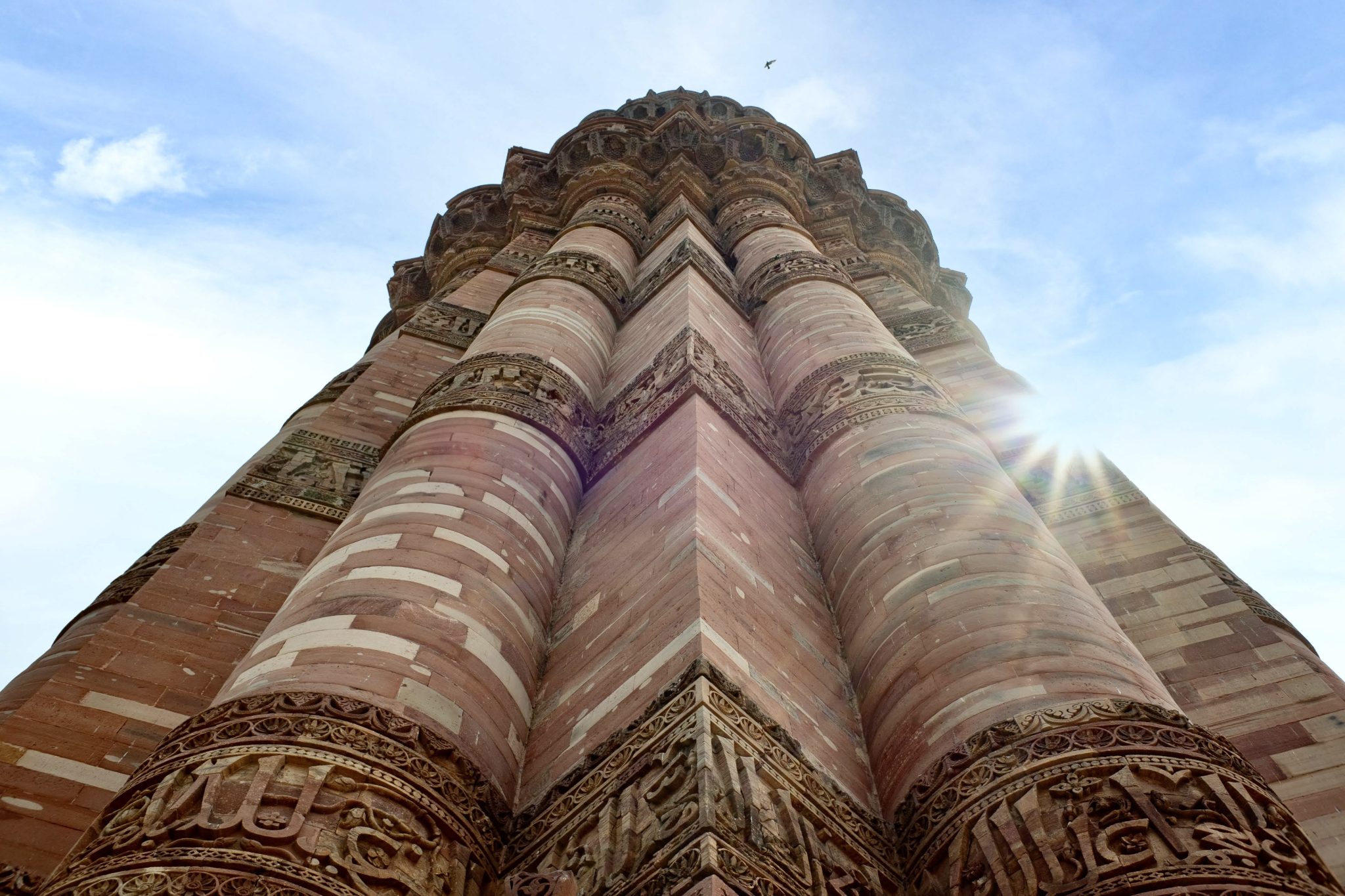
Similarly, UNESCO’s World Heritage program, launched in 1972, has worked to protect and preserve sites of cultural and natural significance across the globe. By recognizing the importance of heritage in fostering cultural diversity and identity, UNESCO raised awareness about the need to safeguard irreplaceable monuments and landscapes. This program not only aims to protect these sites but also promotes sustainable tourism that contributes to local economies while preserving cultural integrity.
Furthermore, the Global Education Monitoring Report (GEM Report) exemplifies UNESCO’s commitment to driving evidence-based policy-making in education. The report tracks progress towards achieving the Sustainable Development Goal 4: Quality Education and contains comprehensive data on global education trends. The findings serve as a valuable resource for policymakers, educators, and researchers, guiding efforts to improve educational quality and equity.
UNESCO also recognizes the vital role of science in addressing global challenges. Its Man and the Biosphere (MAB) program promotes conservation and sustainable development through the establishment of biosphere reserves that integrate research, education, and sustainable practices. The program encourages member states to incorporate traditional knowledge and local participation in conservation efforts, fostering a holistic approach to environmental sustainability.
In recent years, UNESCO has increasingly focused on harnessing the power of technology in education and cultural preservation. The UNESCO Institute for Statistics has developed frameworks to measure the impact of technology in improving educational access and quality. By promoting open educational resources and innovative digital tools, UNESCO aims to support effective teaching and learning practices worldwide.
Overall, UNESCO’s programs and initiatives demonstrate its multifaceted approach to addressing global challenges and promoting education, science, culture, and communication. These efforts underline the organization’s commitment to fostering peace and security, recognizing that sustainable development can only be achieved through collaboration and shared knowledge.
Challenges and Criticisms Faced by UNESCO
Despite its many achievements, UNESCO has faced a plethora of challenges and criticisms throughout its history that have often hindered its initiatives and impact. One of the most significant issues has been the political complexities inherent in international cooperation. UNESCO must navigate a political landscape characterized by competing interests and shifting national agendas, which can complicate its mission. Disagreements among member states have often delayed crucial decisions and programs, detracting from the organization’s overall effectiveness.
Additionally, funding has been a persistent challenge for UNESCO. The organization relies on contributions from its member states, and fluctuations in funding levels can severely impact its ability to implement educational and cultural programs. Economic crises and political tensions have led several member states to either reduce their financial support or withdraw altogether, diminishing the resources available for UNESCO’s initiatives. This financial instability further complicates efforts to address pressing global issues in education, science, and culture.
UNESCO also grapples with the criticism of its bureaucracy and effectiveness. As a large international organization, it has been criticized for slow decision-making processes and unnecessary red tape. Critics argue that these internal challenges can lead to inefficiency and a lack of accountability, frustrating the implementation of promising programs and undermining the organization’s credibility. The effectiveness of UNESCO’s initiatives has sometimes been called into question, as tangible outcomes may take years to materialize, making it difficult to assess the immediate impact of its work.
Another significant criticism has been centered around UNESCO’s ability to address contemporary issues effectively. Rapid advancements in technology, changing social dynamics, and emerging global challenges require timely and relevant responses. Critics have expressed concerns that UNESCO may not always keep pace with these changes, potentially missing opportunities to leverage new technologies for educational improvement or cultural preservation. The organization must remain vigilant and adaptable to maintain its relevance in a fast-evolving global landscape.
Moreover, there are ongoing debates surrounding the universality of UNESCO’s values and goals. While the organization promotes a vision of cultural diversity and respect for local traditions, there are concerns that some programs may unintentionally favor Western-centric perspectives or impose certain educational models that do not resonate with local contexts. This can lead to disputes regarding cultural imperialism or a lack of inclusivity, undermining the credibility of UNESCO’s mission to promote intercultural dialogue and understanding.
In conclusion, while UNESCO has made significant strides toward fostering education, science, and culture globally, it continues to face challenges that require careful navigation and reform. Addressing bureaucratic inefficiencies, securing sustainable funding, responding effectively to contemporary issues, and ensuring that its initiatives respect and reflect local contexts will be essential for UNESCO’s continued relevance and impact in the coming years.
The Future Vision of UNESCO in a Globalized World
As UNESCO moves further into the 21st century, its vision for the future is increasingly framed by the challenges and opportunities presented by globalization. The interconnectedness of today’s world has made it essential for UNESCO to rethink its strategies and priorities to effectively address the evolving landscape of education, culture, and science.
One of UNESCO’s focal points is harnessing technology to enhance educational accessibility and quality. The rapid proliferation of digital tools and resources presents opportunities for innovative teaching and learning practices. As distance learning becomes increasingly normalized, UNESCO is emphasizing the importance of digital literacy and equitable access to technology for all, regardless of socioeconomic status. The organization aims to support its member states in developing policies and initiatives that leverage technology to create inclusive, adaptive learning environments.
In addition, UNESCO recognizes the need to address global crises such as climate change, health pandemics, and social inequality within its future framework. The organization aims to strengthen its interdisciplinary approach by fostering partnerships among education, science, culture, and communication sectors. By integrating efforts in these areas, UNESCO envisions developing holistic solutions that address the multifaceted nature of global challenges while promoting sustainable development.
Conversely, UNESCO is also focused on enhancing its collaborative partnerships and networking through Multilateralism, promoting dialogue between member states, local communities, and civil society. Greater engagement with a variety of stakeholders allows for the incorporation of diverse perspectives and knowledge, ensuring policies and programs are responsive to the realities faced by communities around the world. This engagement emphasizes that UNESCO will not just be a top-down organization but will empower communities to participate actively in decision-making processes.
Moreover, UNESCO envisions promoting stronger cultural diplomacy in its vision for the future. As globalization leads to increased cultural exchange, the need for understanding and respecting cultural diversity becomes critical. UNESCO is committed to fostering intercultural dialogue and cooperation, addressing the potential for cultural conflict that may arise in densely interconnected societies. By actively promoting cultural heritage preservation and encouraging collaboration among nations, UNESCO aims to be a catalyst for peace in a synchronized world.
The organization’s ability to innovate and adapt will be crucial in executing its future vision. As UNESCO prepares to tackle new and emerging challenges, ensuring the delivery of education, promoting scientific cooperation, protecting cultural heritage, and fostering sustainable development will require a proactive and flexible approach. The organization’s pursuit of a future with shared goals and cooperative strategies positions UNESCO as a vital player in shaping a harmonious, equitable, and culturally diverse global community.
Conclusion
The history of UNESCO encapsulates the organization’s unwavering commitment to promoting education, science, culture, and communication in the interest of global peace and cooperation. From its formation in the wake of World War II to its significant contributions in post-war reconstruction, UNESCO has continually adapted its mission to address emerging challenges while upholding its core values. Its major programs and initiatives, such as Education for All and World Heritage, underscore the organization’s dedication to fostering inclusive and sustainable development. However, UNESCO’s journey has not been without obstacles, as it faces ongoing challenges related to funding, effectiveness, and political complexities.
Looking toward the future, UNESCO envisions a collaborative and innovative approach in navigating an increasingly globalized world. By leveraging technology, promoting cultural understanding, and emphasizing the importance of stakeholder engagement, UNESCO aims to build a resilient framework to address contemporary global issues and ensure the organization remains a relevant force for peace and development. As it continues to adapt and evolve, UNESCO’s role in shaping policies and practices that promote education, science, and intercultural dialogue will undoubtedly be critical to creating a more inclusive and harmonious world.
Sources
- UNESCO. (2023). About UNESCO. https://en.unesco.org/about-us
- UNESCO. (2023). Education for All. https://en.unesco.org/themes/education-all
- UNESCO. (2023). World Heritage. https://whc.unesco.org/en/about/
- UNESCO Institute for Statistics. (2023). Global Education Monitoring Report. http://uis.unesco.org/en/publications/global-education-monitoring-report
- UNESCO. (2023). The Future of Education. https://en.unesco.org/futureofeducation