Introduction
Liverpool, a city steeped in rich history and cultural significance, has played a pivotal role in shaping the United Kingdom’s maritime, industrial, and social landscape. Established in the 13th century, Liverpool grew rapidly due to its strategic location and favorable port conditions. The city’s development over the centuries illustrates a fascinating narrative marked by economic prosperity, social challenges, and cultural evolution. From its early days as a small fishing village to becoming a major port city, Liverpool’s journey reflects broader historical trends and transformations. This article delves into pivotal moments in Liverpool’s history, highlighting key events and developments that have contributed to its unique identity. Join us as we explore the intricacies of this vibrant city that has left an indelible mark on both national and global stages.
The Founding and Early Development of Liverpool
The history of Liverpool can be traced back to the early 1200s when it was granted its charter in 1207. Initially a part of the kingdom of Mercia, the area developed from a small fishing village into a bustling community. The original documentation suggests that the name “Liverpool” may have derived from the Old English word “lifer,” which relates to the muddy pools that were common in the area. This geographic feature would later play a significant role in the city’s evolution.
In the early years, Liverpool’s development was slow, largely due to its limited resources and competition from neighboring towns such as Chester and York. However, the establishment of a ferry service across the Mersey River became a crucial turning point. This ferry service fostered trade and interaction, linking Liverpool with the burgeoning industrial towns of the North. By the 14th century, the city had begun to flourish, gaining recognition as a center for trade.
The 16th century marked a significant shift in Liverpool’s fortunes. The rise of maritime trade led to an influx of wealth, as ships from Liverpool began trading goods such as tobacco, sugar, and rum. The establishment of the customs house in 1551 further stimulated economic activity by providing a formal structure for the collection of trade duties.
A pivotal moment came in the 17th century when Liverpool was officially recognized as a borough, giving it the authority to govern itself and paving the way for further developments. As shipping interests grew, so did the need for a more developed port infrastructure. This resulted in a series of dock constructions beginning in the 1710s, with the Old Dock being one of the first of its kind in the world, designed to facilitate vessel loading and unloading.
Excitingly, the 18th century ushered in Liverpool’s Golden Age, which was characterized by explosive growth due to its position as a key port for the transatlantic slave trade. This period of economic prosperity saw the construction of grand buildings and warehouses, many of which exist today as a testament to Liverpool’s ambitious growth. However, it also brought moral complexities that would haunt the city for generations.
The early development of Liverpool, while marked by growth and economic opportunity, was not without challenges. Social issues rose as wealth inequality grew between the classes, leading to problems such as poverty and poor living conditions in various neighborhoods. The city’s burgeoning population filled the area with people seeking new opportunities, contributing to overcrowding and strife.
By the dawn of the 19th century, Liverpool had already established itself as a powerhouse in global trade and maritime activities. This early foundation had laid the groundwork for what would become an exceptional story of resilience and transformation. As the Industrial Revolution began to take hold, Liverpool was uniquely positioned to capitalize on the new technologies and industries that would follow.
Liverpool’s Role in the Slave Trade
Liverpool’s history cannot be examined without acknowledging its dark role in the transatlantic slave trade. Throughout the 18th century, the city became one of the leading ports involved in this heinous commerce, establishing itself as a hub for slave-trade activity. During this time, a staggering number of enslaved Africans were transported from West Africa to the Americas, driving much of Liverpool’s economic growth and development.
The city’s involvement in the slave trade was not merely incidental; it was deeply intertwined with local industries and commerce. Shipowners, merchants, and investors in Liverpool profited immensely from this trade, with many of the city’s wealthiest families reaping benefits from the slave economy. The boats were equipped for the brutal Middle Passage, transporting enslaved individuals under appalling conditions that often resulted in high mortality rates during transit.
The number of slave voyages set sail from Liverpool increased dramatically from the mid-1700s. Records suggest that between 1740 and 1807, an estimated 1.5 million enslaved Africans were transported to the Americas, demonstrating Liverpool’s critical role in this trade network. The financial gains from the slave trade were reinvested into the city’s infrastructure, leading to the construction of roads, buildings, and docks.
However, Liverpool’s prosperity through the slave trade was met with increasing opposition. The abolition movement gained momentum in the late 18th and early 19th centuries, as activists and abolitionists raised awareness about the moral implications of slavery. Figures such as Olaudah Equiano, a former enslaved African, and various Quaker societies were influential in the campaign against the slave trade.
In 1807, the British Parliament passed the Abolition of the Slave Trade Act, effectively ending Britain’s involvement in the slave trade. The impact of this legislation was profound in Liverpool, leading to a significant shift in the economy. Wealth generated from the slave trade began to decline, resulting in economic shifts and challenges for the merchants who had relied on this trade for prosperity.
Despite the end of the slave trade, the legacy of slavery persisted in Liverpool’s social fabric for generations. The city’s historical prosperity from this dark chapter remains a poignant reminder of the complex interplay between commerce, morality, and human rights that continues to resonate today.
The Industrial Revolution and Its Impact on Liverpool
The Industrial Revolution marked a transformative period for cities across the globe, and Liverpool was no exception. As the 19th century approached, the city became a focal point for industrialization, exploiting its strategic port and rapidly expanding infrastructure to revolutionize various industries.
Shipping and shipbuilding were at the forefront of this transformation. The demand for ships to carry cargo increased exponentially, leading to significant advancements in shipbuilding techniques and technologies. Dock facilities were expanded and modernized, notably with the construction of the Albert Dock in 1846, which was one of the first non-combustible docks in the world. The use of cast iron and brick in its design set new standards for maritime facilities, enabling larger vessels to access the port.
As Liverpool’s dock and shipping industries thrived, ancillary industries began to emerge. This included manufacturing operations, from textiles to machinery, further diversifying the local economy. The city became known as a significant manufacturing hub, with factories springing up across the region to meet the demands of an expanding domestic market.
The growth of industries attracted workers from various parts of the UK and beyond, contributing to a surge in the urban population. The influx of people in search of employment led to rapid urbanization, which presented both opportunities and challenges. While the Factory Acts sought to improve working conditions, many laborers faced harsh realities such as long hours, unsafe environments, and minimal wages.
As industries grew, so did the call for reforms to address social inequalities. Activist movements gained traction, advocating for workers’ rights and improved living conditions. Liverpool’s burgeoning activist community pushed for social change and laid the groundwork for movements that would shape labor rights in the decades to come.
The city also played a significant role in innovations in transport and communication. The construction of railways, including the opening of the first railway connecting Liverpool and Manchester in 1830, transformed the movement of goods and people, paving the way for industrial efficiency. This development positioned Liverpool as a vital link between the industrial heartlands of England and the global markets.
Moreover, the cultural landscape of Liverpool transformed during the Industrial Revolution. The proliferation of laborers and their families fostered a vibrant community that contributed to the arts, music, and literature. The city became a melting pot of cultures and ideas, leading to rich cultural expressions that would influence future generations.
Despite these advancements, the Industrial Revolution also revealed gaping disparities within the population. The divide between the affluent and the working class became increasingly pronounced. As factories flourished, many residents inhabited overcrowded slums, struggling for basic necessities. This stark contrast between wealth and poverty established a legacy that would inform Liverpool’s social fabric for years to come.
The Industrial Revolution ultimately positioned Liverpool as a key player on the global stage, dramatically affecting its economic trajectory, demographics, and cultural character. The advancements made during this period laid the foundation for Liverpool’s continued development as both a maritime and industrial city.
Liverpool during World War II
World War II was a defining period for cities across Europe, and Liverpool was no exception. As the war unfolded, Liverpool, with its strategic port, became a critical site for military operations and a key target for enemy bombing raids.
Initially, the onset of the war in 1939 united the city, fostering a strong sense of community as citizens rallied to support the war effort. Many men enlisted in the armed forces, while women took on roles in factories and other essential services. The docks became busy hubs of military logistics, supplying troops with vital resources.
As the war progressed, the threat of air raids grew. Liverpool was bombed heavily by the German Luftwaffe, particularly during 1940 and 1941, as part of the wider Blitz campaign. The city was targeted not only for its industrial capabilities but also due to its importance as a seaport. The bombing raids led to significant devastation in the city, with many residents displaced and thousands of buildings damaged or destroyed.
The resilience exhibited by the people of Liverpool during the bombings became emblematic of the city’s spirit. The community came together to support one another, establishing emergency shelters and conducting rescue operations. The survival of its citizens often depended on this solidarity and sense of shared purpose.
In addition to the physical destruction, the emotional impact of the war was profound. The loss of life and the ongoing threat of bombings left indelible scars on the community. As families waited for news of loved ones fighting abroad, the city faced periods of uncertainty. The resilience of Liverpool’s residents illustrated their indomitable spirit in the face of adversity.
Despite the hardships, Liverpool also emerged as a center for innovation during the war. The city’s shipyards and factories contributed to the construction of naval vessels, aircraft, and munitions. Health care and infrastructure improvements were vital as the city invested in services to support its citizens during this turbulent time.
By the war’s end in 1945, Liverpool began the arduous task of recovery and rebuilding. The destruction left by bombing raids prompted discussions about urban renewal and modernization. The rebuilding of the docks became a national priority, reflecting the changing economic landscape and the move toward modern shipping practices.
In the post-war era, Liverpool faced a complex set of challenges including industrial changes, economic shifts, and the need for community rebuilding. The war not only altered the physical landscape of the city but also reshaped its identity, as Liverpool emerged as a symbol of resilience and perseverance.
Modern Liverpool: Cultural Renaissance and Economic Challenges
In recent decades, Liverpool has experienced both a cultural renaissance and faced significant economic challenges, shaping the city’s contemporary identity. Following the deindustrialization of the late 20th century, Liverpool encountered economic decline, job losses, and demographic changes that threatened its future.
However, the city responded to these challenges with remarkable resilience, embarking on a journey of regeneration and revitalization. The selection of Liverpool as the European Capital of Culture in 2008 proved to be a turning point, showcasing the city’s rich artistic heritage and cultural landscape.
As a part of its cultural renaissance, Liverpool invested in various initiatives aimed at revitalizing its music, arts, and sports scene. The success of cultural events, such as the Liverpool Sound City music festival and the establishment of numerous galleries and theaters, positioned the city as a vibrant hub for creativity.
The city has deep connections to music, famously known as the birthplace of The Beatles. The enduring legacy of this iconic band continues to attract tourists, aided by various music-related attractions which celebrate the city’s musical heritage. This focus on culture has transformed Liverpool into a dynamic destination for visitors from around the world.
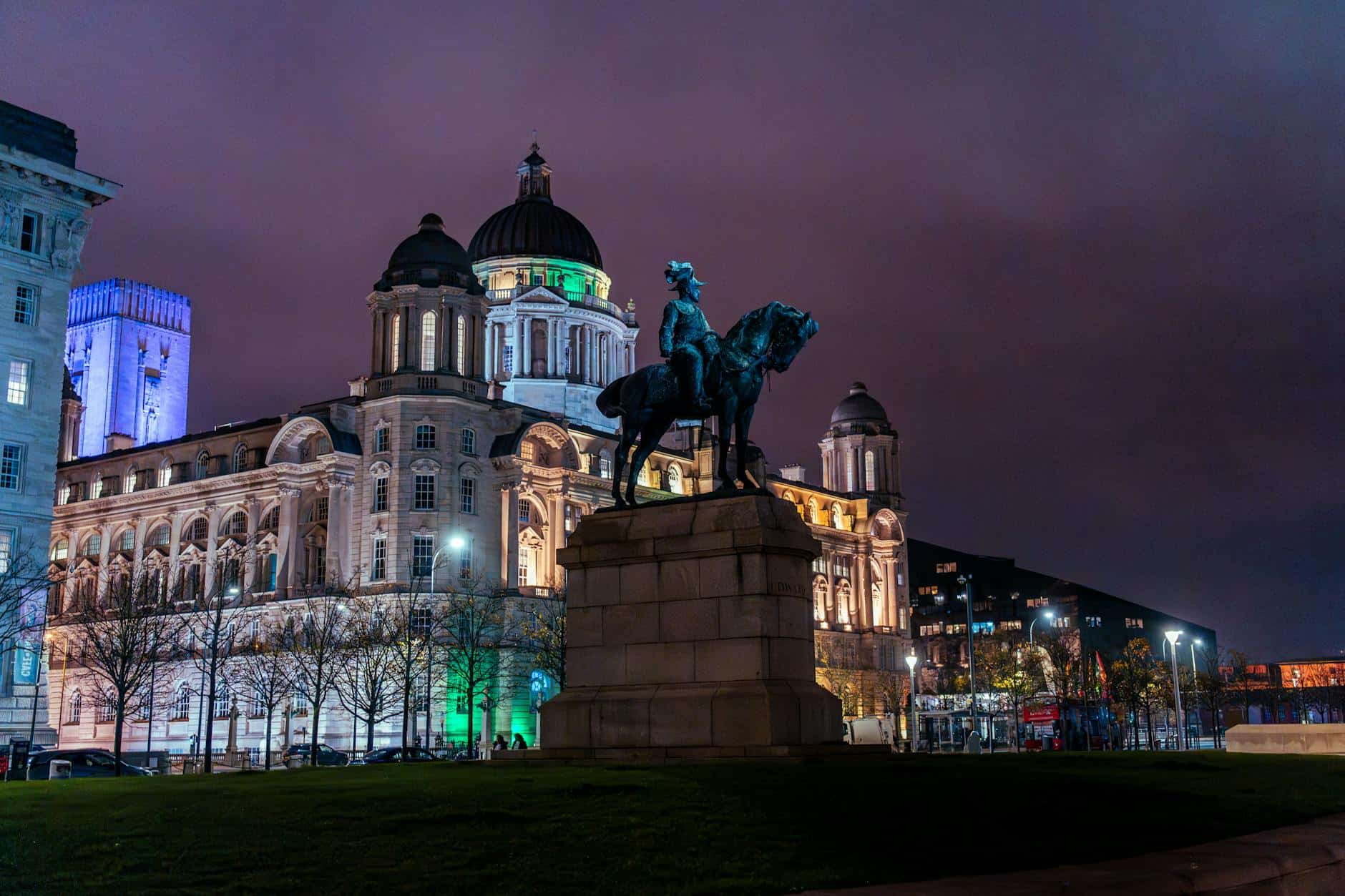
Additionally, tourism has become an essential aspect of Liverpool’s economic strategy. Efforts to market the city’s unique historical and cultural assets have resulted in an influx of tourists and businesses, revitalizing previously dormant areas. The waterfront, a UNESCO World Heritage site, has undergone urban renewal, enhancing its appeal as a cultural and recreational space.
Despite these gains, modern Liverpool also grapples with ongoing economic challenges. Areas of poverty and unemployment persist, mirroring the issues faced in previous decades. Disparities within the community underscore the need for sustainable development strategies that ensure economic benefits reach all residents.
As the city looks towards a brighter future, there is a continued push for greater investment in education and skills training to prepare the workforce for emerging industries. Collaboration between public and private sectors is essential to fostering a strong economic outlook.
In conclusion, Liverpool’s modern journey reflects a city continually reshaped by history and resilience. The integration of past narratives with contemporary cultural and economic initiatives highlights a unique blend of tradition and progress. As Liverpool faces the future, its ability to adapt and renew itself remains a testament to its enduring spirit.
Conclusion
The city of Liverpool’s history is a rich tapestry woven with tales of triumph, tragedy, resilience, and innovation. From its early development as a fishing village to its emergence as a significant maritime and industrial hub, Liverpool has consistently shaped its destiny through the ages. The complexities surrounding its involvement in the slave trade, the transformative impact of the Industrial Revolution, the trials faced during World War II, and the modern-day cultural renaissance all underscore the multifaceted identity of this vibrant city.
Today, Liverpool stands as a testament to the indomitable spirit of its people. While challenges remain, the city’s strong sense of community, cultural heritage, and ongoing regeneration efforts signify a hopeful trajectory. As Liverpool continues to evolve, its storied past will remain a crucial foundation upon which its future is built.
Sources Consulted
- The National Archives. https://www.nationalarchives.gov.uk/
- Liverpool City Council. https://www.liverpool.gov.uk/
- BBC History. https://www.bbc.co.uk/history/
- Visit Liverpool. https://www.visitliverpool.com/
- UNESCO World Heritage Centre. https://whc.unesco.org/en/list/426/