Introduction
The presidency of Joe Biden, inaugurated on January 20, 2021, marked a significant transition in the American political landscape. After four tumultuous years under Donald Trump, Biden’s administration sought to restore unity and normalcy to a deeply divided nation. With a focus on tackling pressing issues such as the COVID-19 pandemic, economic recovery, and social justice, Biden’s presidency has been characterized by its ambitious agenda and historic challenges. This article will delve into the history of the Joe Biden Presidency, exploring key moments and decisions that have shaped the past few years, while also considering the broader implications of his presidency on America’s future.
The 2020 Presidential Election: Context and Campaign
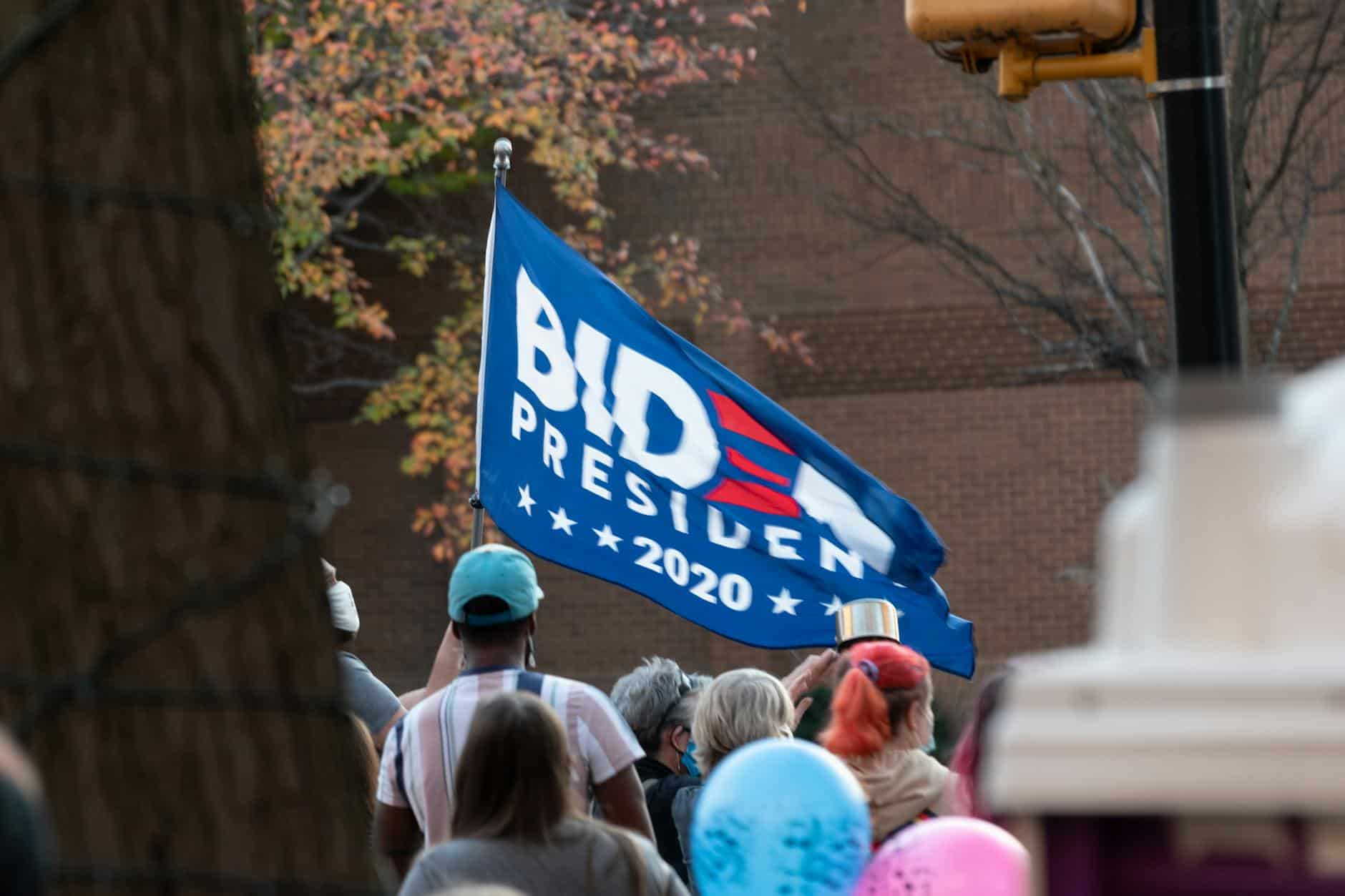
The 2020 presidential election was marked by unprecedented circumstances. In the midst of the COVID-19 pandemic, the electoral process faced significant challenges, including health concerns for voters and the integrity of mail-in voting. Joe Biden, representing the Democratic Party, secured the nomination amid a crowded field, eventually solidifying his campaign as he emerged as a unifying figure against the incumbent, Donald Trump.
Biden’s campaign was rooted in a message of empathy and recovery, fundamentally presenting himself as a leader who could bridge the deep divides in American society. His platform emphasized restoring the soul of America, tackling systemic racism, addressing climate change, and managing the public health crisis effectively. The Biden campaign leveraged digital platforms and grassroots organizing to connect with voters, adapting to the constraints imposed by the pandemic.
Key moments in the campaign included the Democratic National Convention, where Biden accepted the nomination, emphasizing the importance of unity over division. His running mate, Kamala Harris, made history as the first female, first Black, and first South Asian vice president, adding to the momentum of his campaign. The election’s intensity was further amplified by the national protests following the murder of George Floyd, pushing issues of racial justice to the forefront of political discussions.
On Election Day, the Biden-Harris ticket garnered over 81 million votes, the highest in U.S. electoral history, reflecting a significant turnout amid a climate of political activism. The aftermath of the election was marred by claims of voter fraud from the Trump camp, leading to various legal challenges. The culmination of this election period was particularly dramatic, culminating in the storming of the Capitol on January 6, 2021, during the certification of electoral votes, underscoring the election’s contentious nature.
Biden’s inauguration took place in a heavily fortified Washington, D.C., symbolizing the precarious nature of American democracy at that time. The election and its surrounding events set the stage for Biden’s presidency, marking a critical juncture in American history as the country grappled with polarization and the need for healing.
The COVID-19 Pandemic Response
The COVID-19 pandemic dominated the early days of the Biden presidency, presenting a complex crisis demanding immediate action. Upon taking office, Biden prioritized a comprehensive and science-led response to the pandemic, focusing on increasing vaccine distribution, expanding testing capabilities, and implementing public health measures to contain the virus’s spread.
Understanding the urgency of the situation, Biden’s administration quickly rolled out a series of initiatives aimed at controlling the pandemic. The American Rescue Plan, a $1.9 trillion stimulus package, was introduced, providing direct financial relief to Americans, allocating funds for vaccine distribution, and supporting overwhelmed health care systems. This package represented one of the largest financial stimulus efforts in U.S. history and was designed to bolster the economy while simultaneously addressing public health needs.
Biden’s administration faced the monumental task of ramping up vaccine production and distribution nationwide. Collaborating with pharmaceutical companies and the Federal Emergency Management Agency (FEMA), the administration prioritized equitable access to vaccines across diverse communities, launching campaigns aimed at educating the public about vaccine safety and efficacy. The acceleration of vaccine distributions saw millions of doses administered within months, significantly shifting the trajectory of the pandemic.
As the vaccination rate increased, Biden pivoted to address vaccine hesitancy. The administration organized community outreach, engaged with trusted local leaders, and launched campaigns that highlighted personal stories to encourage vaccinations. These efforts underscored the administration’s recognition of the importance of community trust in overcoming public health challenges.
Critics noted the challenges faced in dealing with the variants of the virus, leading to ongoing updates of health guidelines and booster shot campaigns, reflecting the evolving nature of the pandemic. However, despite these hurdles, the steady vaccination rollout paired with economic relief measures positioned the Biden administration as proactive in navigating one of the most significant public health crises in modern history.
Overall, Biden’s approach to the COVID-19 pandemic was foundational in establishing his leadership style and priorities as president, emphasizing science-driven policy and the critical responsiveness required in times of crisis.
Domestic Policies and Economic Recovery
In the wake of the COVID-19 pandemic, the Biden presidency aimed to not only vaccinate the population but also restore economic stability through an array of domestic policies. Recognizing the financial devastation wrought by the pandemic, the administration prioritized initiatives designed to stimulate economic recovery and address social inequalities exacerbated by the crisis.
Central to Biden’s economic strategy was the American Rescue Plan, a sweeping legislative package that provided direct relief to individuals and families. It included extended unemployment benefits, stimulus checks, and funding to support small businesses that had suffered due to the pandemic, illustrating the administration’s commitment to immediate fiscal support and economic rejuvenation. The plan was also notable for providing significant resources to state and local governments, helping them stabilize budgets and keep critical services running.
As a follow-up to immediate recovery efforts, Biden outlined broader ambitions through his infrastructure proposition — the American Jobs Plan — which aimed to strategically invest in the nation’s infrastructure while also tackling issues of climate change and social equity through job creation. This initiative was characterized by ambitious targets, including upgrading transportation systems, enhancing broadband access in underserved areas, and investing in clean energy projects. The plan was positioned as a critical step toward “building back better,” seeking to move the economy towards sustainable practices while providing millions of jobs.
The Biden administration also made strides in addressing systemic issues within the economy, including initiatives to support childcare, increase the minimum wage, and tackle wealth disparity. These proposals included the Child Tax Credit expansion, which significantly benefitted American families by providing direct support, aiming to reduce poverty rates. Each of these initiatives emanated from a focus on constructing a more equitable economy, reflecting a commitment to long-term change rather than short-term fixes.
However, the economic recovery efforts were faced with challenges, including inflation concerns and supply chain disruptions that emerged as the economy began to reopen. The administration faced scrutiny regarding its approach to managing these aspects while attempting to balance recovery with the long-term vision laid out in its policy agenda. The complexities of navigating economic recovery became a defining aspect of the Biden presidency, demonstrating the interconnected nature of health, social equity, and economic stability.
Foreign Relations and International Policies
As the Biden administration took office, restoring America’s global standing became a pivotal goal amid a backdrop of shifting international dynamics. A core element of Biden’s foreign policy emphasized the return to multilateralism, rebuilding alliances that had been strained during the previous administration, and reasserting U.S. leadership on the global stage.
Biden’s approach to foreign relations began with rejoining international agreements and organizations that the U.S. had withdrawn from. One of the most notable moves was the decision to reenter the Paris Agreement on climate change. This reaffirmation of commitment illustrated Biden’s recognition of climate change as a critical issue and the necessity for collective action on a global scale. In addition, the administration launched initiatives to promote green technologies and secure commitments from allies to reduce emissions, reinforcing a collaborative approach to environmental crises.
In addressing international conflicts, Biden’s administration faced the intricate challenge of the U.S. withdrawal from Afghanistan. The decision to end America’s longest war was met with mixed reactions, raising debates about the implications for national security and regional stability. The chaotic withdrawal process and the subsequent takeover by the Taliban posed questions regarding U.S. foreign policy strategy and its impact on global perceptions of American reliability.
Biden’s administration also focused on navigating the complex relationship with China, balancing competition and cooperation. The administration adopted a strategic approach, investing in domestic industries while also working with allies to counteract China’s influence in sectors such as technology and trade. Engagement with China on issues like climate change and trade proved essential, highlighting the importance of dialogue amid competitive tensions.
Additionally, the Biden administration sought to re-engage with NATO allies and foster partnerships in the Indo-Pacific region to address growing concerns about global security. This included enhancing alliances through joint military exercises and strategic discussions to ensure preparedness against emerging threats.
Biden’s foreign policy initiatives illustrated an effort to redefine America’s role in the world through collaboration, diplomacy, and a recognition of global interdependence. The complexities faced during his presidency underscored the intricate nature of international relations in a rapidly changing geopolitical landscape.
Social Justice Initiatives and Environmental Policies
The Biden presidency has been marked by a strong commitment to advancing social justice and environmental policies as integral to his administration’s agenda. Building upon the heightened awareness of systemic inequities driven by movements such as Black Lives Matter, Biden sought to implement measures that would address racial disparities and promote equality.
One significant aspect of this initiative has been the administration’s focus on police reform and civil rights protections. While the complexities of enacting significant legislation faced challenges from various political constituents, the Biden administration engaged with community advocates and lawmakers to lay down groundwork for reform. Executive orders were issued to address issues of police accountability, and discussions began about broader legislative reforms aimed at transforming policing in America.
On environmental policy, the Biden administration prioritized combating climate change, recognizing it as an existential threat that intersects with economic and social concerns. The appointment of climate advocates and scientists to leadership roles within the administration signaled a serious commitment to these issues. Key initiatives included a push to transition towards renewable energy sources, protect natural resources, and support environmental justice in communities disproportionately affected by climate impacts.
The intersectionality of race, social equity, and environmental justice became a facet of the administration’s strategy, emphasizing that environmental policies could rectify historical injustices faced by marginalized communities. Various administrative actions aimed to incorporate these values into federal decision-making processes.
The administration’s pledge to create a more inclusive economy extended beyond environmental issues to incorporate protections for workers’ rights and support for marginalized communities. Initiatives aimed at closing the wealth gap and creating equitable access to resources reinforced a broader understanding of social justice, connecting economic empowerment with environmental sustainability.
The breadth of these initiatives reflects not only the Biden administration’s commitment to addressing past injustices but also an understanding of the interconnectedness of social and environmental issues as pivotal in building a just and sustainable future for all Americans.
Conclusion
The history of the Joe Biden Presidency has been significantly shaped by pressing challenges and ambitious goals. Navigating the COVID-19 pandemic, implementing social and economic reforms, and redefining America’s role in global affairs have all been central themes of Biden’s leadership. His administration has faced scrutiny and obstacles, yet it has also made strides in areas such as social justice and environmental sustainability, attempting to create a more equitable future. As Biden’s presidency continues to unfold, it remains to be seen how the policies and initiatives enacted will leave a lasting impact on the country and its position in the world.