Introduction
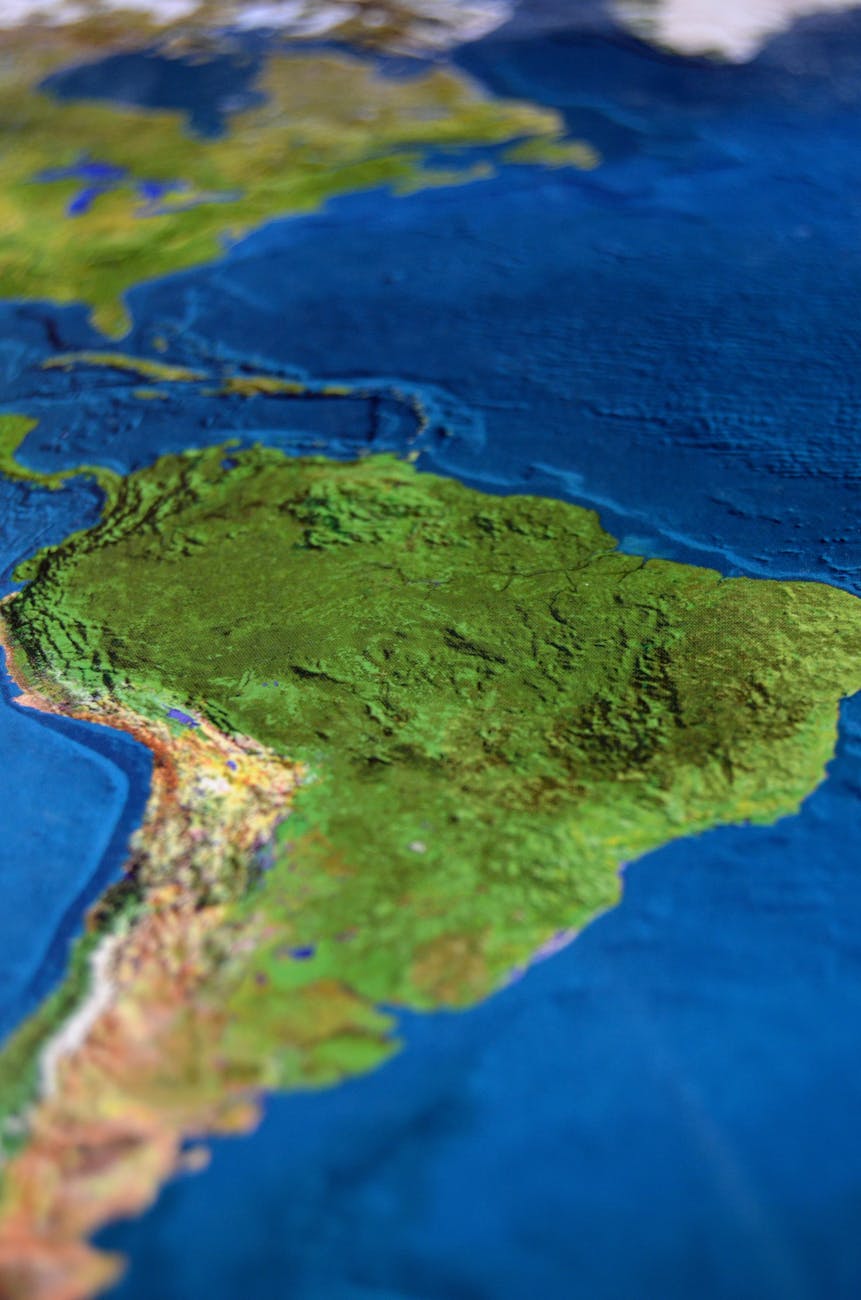
The MERCOSUL (Southern Common Market) agreement represents a significant chapter in the history of regional integration in South America, established to promote free trade and economic cooperation among its member countries: Argentina, Brazil, Paraguay, and Uruguay, with Venezuela’s membership currently suspended. This economic bloc aimed to create a unified market by eliminating tariffs and facilitating the movement of goods, services, and labor among its members. Understanding the historical context, the evolution of policies, and the dynamics between member states is essential for evaluating the impact of MERCOSUL not just in South America, but also on global economic trends. This article will delve into the key phases of the MERCOSUL agreement, examining its objectives, achievements, challenges, and opportunities for the future.
Origins and Formation of MERCOSUL
The foundation of MERCOSUL can be traced back to the late 1980s when Latin America was undergoing significant political and economic transformations. The resurgence of democracy in various countries post-dictatorship had set the stage for integration movements aimed at fostering stability and cooperation in the region.
In 1985, the “Brazil-Argentina Integration Program” was established to encourage collaboration between the two largest economies in South America. This initial phase focused on trade liberalization and economic collaboration, paving the way for formal agreements. The successful outcomes of this bilateral relationship led to a broader vision for regional integration, culminating in the signing of the Treaty of Asunción on March 26, 1991. This treaty laid the conceptual and structural framework for MERCOSUL.
The founding members—Argentina, Brazil, Paraguay, and Uruguay—envisioned a common market that would not only enhance trade but also promote political stability and social cohesion in the region. The primary goals outlined by the Treaty of Asunción were to establish a free trade area, coordinate macroeconomic policies, and foster political dialogue among member states. The agreement was significant in that it represented a shift from mere trade relations to comprehensive regional cooperation which included various sectors of the economy.
One of the notable features of MERCOSUL was its commitment to the principle of “preferential trade,” whereby member countries would extend lower tariffs to one another than to non-member nations. This principle aimed at creating competitive advantages amongst MERCOSUL members and establishing a strong economic bloc capable of attracting foreign investment. The framework also included measures for the facilitation of commerce through standardized regulations and customs procedures.
Furthermore, the development of a Common External Tariff (CET) was a landmark decision that reinforced the notion of a cohesive economic unit. By setting common duties on goods imported from outside the bloc, MERCOSUL members aimed to protect their industries while enhancing intra-regional trade. The CET reflected the collective bargaining power of these countries, enabling them to negotiate trade agreements more effectively with external partners.
As MERCOSUL expanded, the joining of Venezuela in 2012 marked another milestone. However, it is essential to note that Venezuela’s active participation was suspended in 2016 amidst political turmoil, significantly impacting the dynamics within the bloc. The inclusion of more diverse economies aimed to create a stronger economic network, although it also introduced challenges concerning policy harmonization and economic disparities among member countries.
Over the years, MERCOSUL has evolved from its foundations in economic cooperation to encompass broader issues such as social policies, security, and environmental sustainability, reflecting the changing needs and aspirations of its member nations. As we delve deeper into the subsequent sections, we will examine the economic impacts of MERCOSUL, explore the political intricacies involved, assess criticisms surrounding its operation, and contemplate its future in the global context.
Economic Impact and Trade Relations
The economic implications of MERCOSUL are profound and multifaceted, affecting trade patterns and the economic landscape of South America. From its inception, the agreement aimed to foster economic integration by reducing trade barriers and encouraging investment. This section will analyze the specific economic impacts MERCOSUL has had on its member states and the broader region.
At its core, MERCOSUL facilitated the expansion of trade among its members, resulting in increased economic interdependence. Prior to the establishment of MERCOSUL, trade within the region was limited due to high tariffs and protectionist policies. By eliminating customs duties and reducing other trade barriers, MERCOSUL enabled countries to export and import goods more freely, leading to a significant rise in intra-regional trade volumes. For instance, statistics indicate that trade between MERCOSUL member states has increased exponentially since the establishment of the agreement.
The impact of MERCOSUL extends beyond mere trade statistics; it has fostered deeper economic ties that have contributed to the development of regional value chains. Member countries began to specialize in specific sectors in which they held competitive advantages, leading to coordinated industrial policies that have bolstered regional production capacities. For instance, Brazil and Argentina have collaborated extensively in the automotive industry, with cross-border investments and supply chains emerging as a testament to MERCOSUL’s influence.
Additionally, the establishment of MERCOSUL has attracted foreign direct investment (FDI) to the region. As companies sought to access the larger integrated market, the bloc became a desirable destination for multinational corporations. The promise of a unified market has led to significant investments in infrastructure, technology, and human capital within member states. Notably, the growth of the agribusiness sector in countries like Argentina and Brazil can be attributed in part to the collaborative initiatives stemming from MERCOSUL.
However, the economic impact of MERCOSUL has been mixed and not without challenges. While some sectors experienced significant growth, others have been hampered by competition from more developed industries within the bloc. For instance, the agricultural sector in Brazil has thrived, while certain industries in smaller economies like Paraguay have struggled to compete on equal footing. Addressing these disparities remains a key concern for MERCOSUL leaders.
Moreover, MERCOSUL has faced challenges externally, particularly in negotiating trade agreements with other regions. The bloc’s internal dynamics and differing economic policies among member states have complicated efforts to establish cohesive external trade relations. The 2019 political shifts in Brazil and Argentina prompted questions regarding MERCOSUL’s ability to maintain a unified stance in negotiations with major economies such as the European Union and China.
In conclusion, MERCOSUL has undoubtedly transformed the economic landscape of South America by enhancing trade relations and promoting investment among member states. The integration has led to both opportunities and obstacles, necessitating ongoing dialogue and cooperation to maximize the benefits of the agreement while addressing the emerging challenges in the economic realm.
Political Implications and Regional Cooperation
MERCOSUL’s establishment has profound political implications that extend beyond mere economic integration, fostering regional stability and cooperative governance among its member countries. This section will explore how MERCOSUL has influenced political dynamics and facilitated collaborative efforts among its members.
One of the primary political objectives of MERCOSUL was to promote peace and stability in a region historically marked by conflict and authoritarian rule. By encouraging dialogue and cooperation, the bloc sought to create a platform for resolving disputes and enhancing diplomatic relations among its members. The inclusion of a political dimension in the agreement aimed to mitigate historical tensions, particularly between Argentina and Brazil, which had previously experienced military conflicts.
MERCOSUL’s political cohesion is evident in its commitment to democratic governance. The bloc incorporates the democratic clause, which mandates that member countries uphold democratic principles. As a result, the organization has often taken a firm stance on human rights and democratic governance, imposing sanctions or suspending members that violate democratic norms, as seen in the case of Venezuela. This commitment to democracy has positioned MERCOSUL as a regional advocate for democratic values and governance, promoting a sense of solidarity among member states.
Moreover, MERCOSUL has provided a platform for collaboration on social issues and regional crises. The bloc has facilitated joint initiatives in areas such as poverty alleviation, education, health, and environmental sustainability. By pooling resources and sharing best practices, member countries have worked together to address common challenges, strengthening their collective capacity to implement effective policies. This collaborative approach fosters not only regional development but also solidarity among citizens of member states.
Another significant political implication of MERCOSUL is its influence on external relations and geopolitical positioning. As a collective entity, MERCOSUL can engage in international diplomacy with greater clout than individual member states. The bloc’s capacity to engage in trade negotiations as a unified bloc enhances its bargaining power, allowing member countries to secure better terms in global trade agreements. In recent years, MERCOSUL has sought to expand its influence beyond South America, exploring partnerships with regional organizations and engaging in discussions with countries in Europe, Asia, and Africa.
However, MERCOSUL’s political landscape is not without challenges. The bloc has experienced divergent political trajectories among its members, often leading to conflicting priorities and interests. Recent shifts in political leadership, particularly in Brazil and Argentina, have raised questions about the future direction of MERCOSUL’s political agenda. For instance, varying approaches to foreign policy and trade negotiations have generated friction, impacting unity and coherence within the bloc.
Additionally, internal political tensions may hinder decision-making processes, as consensus is often required for significant policy changes. Addressing these disparities and fostering a sense of collective identity among member states is crucial for maintaining MERCOSUL’s effectiveness as a political entity.
In summary, MERCOSUL has had a significant political impact, fostering cooperation and dialogue, promoting democratic governance, and positioning itself as a regional player in global politics. Nevertheless, it faces challenges associated with political diversity among its members, requiring continuous efforts to ensure cohesion and collaboration in addressing the evolving political landscape of South America.
Challenges and Criticisms of MERCOSUL
Despite its ambitions and successes, MERCOSUL faces a host of challenges and criticisms that have raised questions about its efficacy and long-term viability as a regional integration bloc. This section examines the various challenges that have emerged since its inception, including economic disparities, inefficiency, and allegations of protectionism.
One of the primary criticisms of MERCOSUL has centered around its effectiveness in facilitating economic integration. While the agreement has led to increased trade among member countries, significant barriers still exist. Non-tariff barriers, regulatory inconsistencies, and lengthy customs procedures often impede fluid trade. Member states have struggled to harmonize regulations, which can result in a complex web of rules that businesses must navigate to engage in cross-border trade.
Additionally, the economic disparities among member countries pose a challenge to the cohesion of MERCOSUL. Countries like Brazil and Argentina have substantially different economic structures, levels of development, and industrial capacities, leading to imbalances within the bloc. Smaller economies, such as Paraguay and Uruguay, have expressed concerns that larger states dominate decision-making processes and economic benefits, further exacerbating inequities.
Critics have also pointed to the inward-looking nature of MERCOSUL, characterizing it as a protectionist bloc. The Common External Tariff (CET), while designed to protect member states’ industries, has become a point of contention. Some argue that it restricts competitiveness and limits access to international markets, making it difficult for MERCOSUL to negotiate favorable trade agreements with non-member countries. The lack of a cohesive external trade policy has hampered the bloc’s ability to secure meaningful partnerships, particularly with emerging economies and trading giants.
Moreover, political challenges have further complicated MERCOSUL’s functioning. The organization’s democratic clause, while noble in intent, has led to tensions among member states with differing political ideologies and governance practices. As demonstrated by the suspension of Venezuela’s membership, diverging political landscapes can disrupt the unity and cooperation essential for MERCOSUL’s success.
There has also been criticism regarding MERCOSUL’s response to pressing contemporary issues such as climate change, social inequality, and public health crises. Critics argue that the bloc has not adequately addressed these critical challenges, which are increasingly relevant to regional stability. The pandemic highlighted the urgency of coordinated health responses among member states, yet MERCOSUL’s response has been limited, prompting calls for more robust collaboration in addressing shared challenges.
Lastly, MERCOSUL has been criticized for its slow decision-making processes, often hampered by the necessity of consensus among member states. This requirement can lead to gridlock, impeding the timely implementation of necessary reforms and initiatives. With political landscapes shifting continuously, MERCOSUL may struggle to adapt rapidly to changing circumstances and priorities.
In conclusion, while MERCOSUL has achieved notable successes since its formation, it is not without its challenges and criticisms. Addressing economic disparities, enhancing competitiveness, and fostering a common agenda in the face of political diversity will be vital for the future of MERCOSUL as a significant regional integrative force.
Future Prospects and the Role of MERCOSUL in Global Trade
As MERCOSUL navigates the evolving landscape of regional and global commerce, the future prospects of the bloc hinge upon its ability to adapt to changing political, economic, and social dynamics. This section will explore potential pathways forward for MERCOSUL, its role in global trade, and the strategies needed to capitalize on opportunities while addressing existing challenges.
In light of increasing global economic interdependence, MERCOSUL has a unique opportunity to strengthen its position in the international arena. By embracing the principles of open markets and international cooperation, the bloc can leverage its collective bargaining power to negotiate favorable trade agreements with external partners. Emphasizing its role as an integrated market, MERCOSUL can attract foreign investments and bolster its economic attractiveness to multinational corporations seeking access to a larger regional market.
One promising avenue for furthering MERCOSUL’s global trade ambitions lies in enhancing relationships with partner countries and regions. The potential for deepening trade ties with the European Union, China, and the United States presents an opportunity for MERCOSUL to diversify its trade portfolio and capitalize on emerging economic trends. Previous negotiations with the EU, despite facing challenges, serve as a critical lesson in the importance of adaptability and strategic regional relationships.
Additionally, MERCOSUL’s engagement in South-South cooperation poses an opportunity to forge alliances with other developing countries. By sharing best practices and promoting mutual interests, MERCOSUL can enhance its voice in global forums focused on trade and development. Collaborations with other regional blocs, such as the African Union or ASEAN, can further amplify MERCOSUL’s influence on the international stage.
Moreover, addressing internal challenges will be pivotal to MERCOSUL’s future prospects. Streamlining decision-making processes and working towards regulatory harmonization among member states can result in a more efficient operating framework. Building consensus on external trade policies, while recognizing the individual needs of member economies, will be fundamental in enhancing competitiveness on the global stage.
The current discourse surrounding innovation and sustainability presents an opportunity for MERCOSUL to differentiate itself in global markets. By prioritizing sustainable development and green technologies, member states can position themselves as leaders in environmentally responsible trade. Developing joint initiatives focused on renewable energy, sustainable agriculture, and climate resilience can pave the way for MERCOSUL to become a global hub for sustainable practices.
Finally, strengthening social cohesion among member states is vital for MERCOSUL’s longevity. By focusing on inclusive policies that benefit all member countries and address inequalities, MERCOSUL can cultivate a sense of shared purpose and unity. Promoting dialogue and partnership on pressing social issues will foster resilience and solidarity, enabling the bloc to withstand external challenges while working towards common objectives.
In summary, MERCOSUL’s future prospects are interconnected with its ability to navigate internal and external challenges while seizing opportunities for growth in global trade. By enhancing cooperation, addressing disparities, and embracing sustainability, MERCOSUL can reinforce its position as a significant player in the international trade landscape.
Conclusion
The history of the MERCOSUL agreement illustrates the complexities and possibilities of regional integration in South America. From its origins rooted in the desire for economic collaboration and political stability to the multifaceted dynamics shaping its present and future, MERCOSUL’s journey is marked by significant achievements as well as enduring challenges. The bloc has played an instrumental role in promoting trade and cooperation among member states while addressing pressing social, political, and economic issues.
As member countries strive to navigate the intricacies of international relations and economic interdependence, the relevance of MERCOSUL remains evident. Looking forward, it is imperative for member states to engage collaboratively in refining their policies, enhancing trade relationships, and addressing disparities. By doing so, MERCOSUL can position itself not just as a regional bloc but also as a significant player on the global stage.
In closing, the future success of MERCOSUL will depend on its adaptability, willingness to innovate, and commitment to inclusive policies. The challenges it faces are not insurmountable, and with collective effort and strategic engagement, MERCOSUL can fulfill its potential as a vital force in promoting regional and global trade.