
Introduction
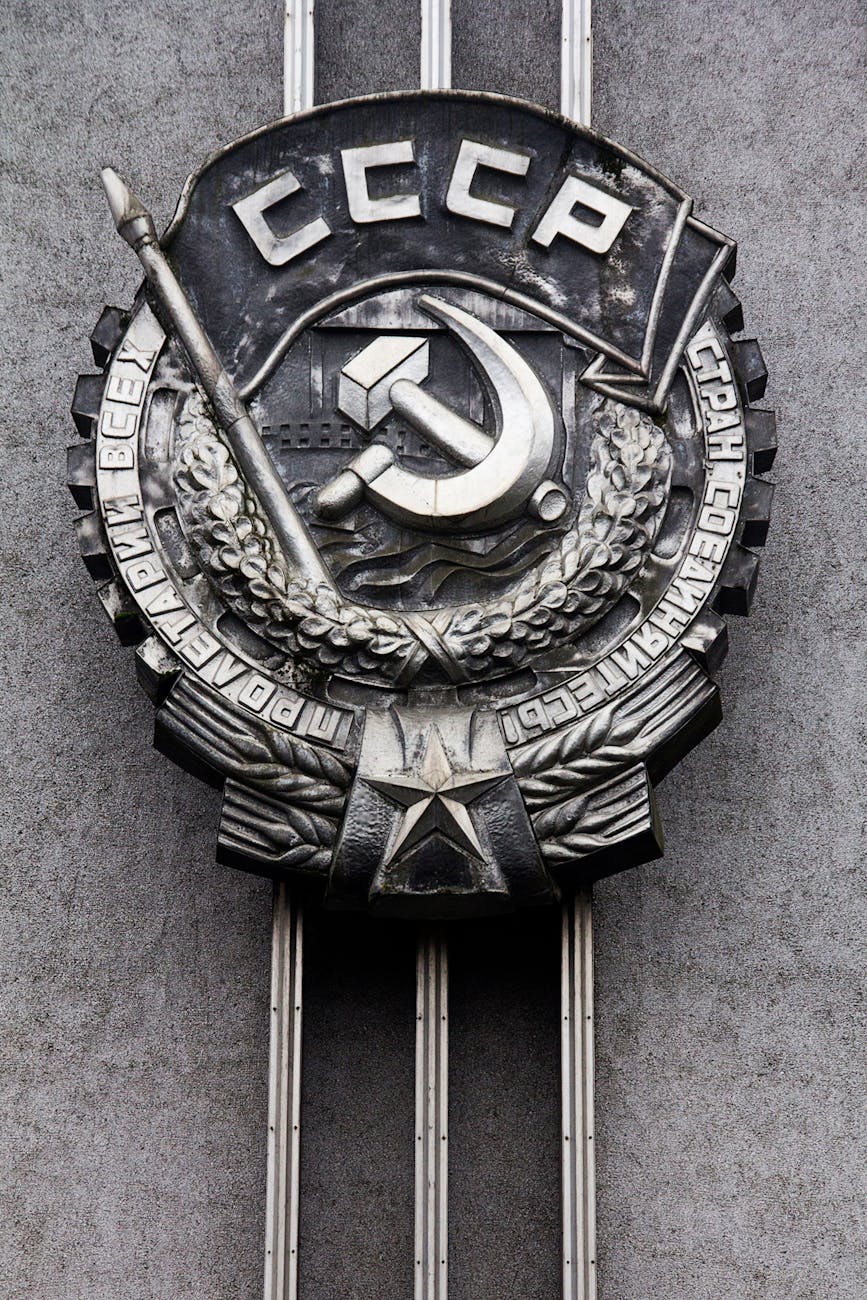
The Soviet Union Economic History is a fascinating study of transformation and resilience against the backdrop of ideology and conflict. Beginning with an agrarian-based economy under the Tsar, the Bolshevik Revolution marked a significant shift towards a centralized economy driven by state planning and control. The ensuing decades saw ambitious initiatives like the Five-Year Plans that aimed to rapidly industrialize the nation, ultimately leading to significant military expenditures during the Cold War. However, by the late 20th century, economic reforms spearheaded by Mikhail Gorbachev in an attempt to revitalize the stagnating economy would lay the groundwork for drastic changes. This article will delve into the numerous phases of the Soviet economy, analyzing key events, policies, and their implications for the Soviet Union and its successor states.
Formation of the Soviet Economy
The history of the Soviet economy traces back to Russia’s agrarian roots, a structure characterized by a largely feudal system where a small percentage of landowners controlled vast estates. This socio-economic environment fostered widespread poverty among peasants, who were often bogged down by heavy taxes and debts.
The Russian Revolution of 1917 was pivotal in transforming this landscape. The Bolsheviks, under Lenin, sought to dismantle the existing capitalist structures and replace them with a socialist economy grounded in the principles of Marxism. The early years following the revolution were characterized by upheaval and chaos, as the Civil War erupted between the Red Army, advocating for Bolshevik ideals, and the White Army, representing anti-communist factions.
During this tumultuous period, the policies executed by the Bolsheviks aimed to consolidate state control over the economy. The nationalization of banks, land, and industrial enterprises marked the first steps toward forming a centralized economic model. The introduction of War Communism sought to ensure an equitable distribution of resources to the proletariat while suppressing private ownership vehemently. However, this system led to severe disruptions, including famine and economic decline, as agricultural production plummeted.
In 1921, facing substantial public discontent due to the harsh realities of War Communism, the Bolsheviks introduced the New Economic Policy (NEP). The NEP re-established limited market mechanisms and private enterprise, allowing some degree of independence for farmers and small businesses. This approach helped in revitalizing the economy, leading to improvements in grain production and overall economic stability.
Yet, by the late 1920s, Stalin’s rise to power prompted a return to more stringent control over the economy. The era of forced collectivization began around 1928, merging individual farms into larger, state-controlled enterprises. The intention was to boost agricultural productivity to support rapid industrialization, part of the ambitious series of Five-Year Plans initiated in 1928. However, the policy led to disaster: widespread resistance from peasants, resulting in famine, particularly in the Ukraine, caused millions of deaths and a paralyzed agricultural sector.
The initial effects of these policies were mixed. On one hand, they pushed the Soviet Union into an era of unprecedented industrial growth. Output in key sectors like steel and coal soared, laying the groundwork for the USSR to emerge as a global power. On the other hand, the harsh realities of collectivization and the accompanying social strife left deep scars in the Soviet society. The ideological drive behind forming a classless society stood in stark contrast to the human cost of such transformative approaches.
In summary, the formation of the Soviet economy was marked by radical shifts from agrarian feudalism to a state-controlled socialist model, dramatically reshaping the social fabric of the United Soviet Socialist Republics. The impact of these early economic policies would resonate throughout the remaining decades of the Soviet Union, influencing everything from cultural identity to geopolitical dynamics.
Industrialization and Five-Year Plans
The clamor for industrialization became increasingly urgent as the Soviet leadership recognized that a robust economy was crucial for national security and global standing. The Five-Year Plans laid the foundation for this transformation, delineating ambitious targets for industrial output across various sectors.
The First Five-Year Plan, launched in 1928, focused on rapid industrial growth and aimed to transform the USSR from a primarily agrarian society into an industrial powerhouse. Major investments were directed towards heavy industries, particularly in coal, steel, and machinery production. By emphasizing intensification in these sectors, the Soviet state under Stalin sought to reduce the economic dependency on Western powers, striving for autarky.
The implementation of the First Five-Year Plan unleashed significant social changes. Enormous construction projects promoted urban migration as individuals left rural areas in search of factory jobs. Consequently, cities expanded, and the workforce shifted dramatically, contributing to the emergence of a new urban working class known as the “proletariat.”
However, the rapid pace of industrialization came at a steep price. The centralization of production and quality controls frequently led to subpar output. Overzealous targets often resulted in the incentivization of quantity over quality—factories produced goods to meet quotas, regardless of efficiency or usability. Worker morale suffered, and the punitive measures against failure to meet production targets created an environment of fear and resentment.
The success of the First Five-Year Plan paved the way for the Second Five-Year Plan (1933-1937), which continued to emphasize industrialization but also sought to develop consumer goods to improve living standards. Nonetheless, even as industrial output continued to swell, the overarching state control often stifled creativity and innovation within the workforce, leading to stagnation in technological advancement.
The Third Five-Year Plan (1938-1941) was overshadowed by the looming threat of World War II. Military production gained precedence over consumer and industrial goods as the Soviet Union prepared for potential conflict. In consequence, the economy became heavily militarized, resulting in further neglect of civilian needs and consumption.
Throughout these decades of industrialization, the Soviet Union faced formidable challenges, including labor shortages, inefficient planning, and poor working conditions. Nevertheless, the achievements in industrial growth ultimately cemented the USSR’s position as a key global player, laying the groundwork for its future military and political domination throughout the Cold War era.
Military-Industrial Complex
The relationship between the Soviet economy and its military aspirations became increasingly pronounced during the Cold War, especially after World War II. The establishment of a military-industrial complex marked a significant turning point, intertwining economic policies with national security objectives.
Following the devastation of World War II, the Soviet Union prioritized rebuilding its military capabilities, often using industrial resources to produce armaments, vehicles, and machinery essential for defense. The competition with the United States, particularly in arms and technology, catalyzed this relationship, propelling state resources towards the military sector.
The transition into the Cold War era prompted the Fourth and Fifth Five-Year Plans to recalibrate economic strategies with an emphasis on military production. The Soviet leadership recognized that robust military capabilities were critical to both national security and international prestige. This period saw an exponential increase in defense spending with significant allocations directed to research and development in military technologies.
This focus on military production generated several economic implications. First, it resulted in distortions in the resource allocation within the economy. Key industries were reoriented towards producing military goods, often at the expense of consumer goods, which led to chronic shortages and dissatisfaction among the populace. In this environment, the state prioritized producing tanks, aircraft, and armaments over everyday consumer items—a decision rooted in the ideological commitment to establish the USSR as a superpower.
Additionally, the costs associated with sustaining a military-industrial complex strained the Soviet economy, particularly during periods of economic stagnation. The significant portion of the GDP dedicated to defense spending created challenges in addressing civilian needs, highlighting a key contradiction in the Soviet economic model. Urban areas often faced shortages, contributing to public discontent and giving rise to a consumer-oriented black market.
However, the military-industrial complex also yielded some technological advancements that permeated civilian industries. Research initiatives developed during this time contributed to breakthroughs in various fields, including aerospace technology and nuclear energy, although these benefits did little to alleviate the economic burdens on average citizens.
The economic orientation towards military preparedness persisted through the latter half of the 20th century, embedding a framework for long-term economic policies. Yet, as structural issues became more pronounced by the 1980s, the overwhelming pressure to support an extensive military apparatus began to clash with the dire need for broader economic reforms. The consequences of this militarized economy would ultimately culminate in one of the fundamental challenges faced by the Soviet Union as it approached its dissolution.

Perestroika and Economic Reforms
Amidst the mounting economic crisis of the 1980s, Soviet leader Mikhail Gorbachev initiated a series of reforms aimed at revitalizing the stagnant Soviet economy through the policies of Perestroika (“restructuring”) and Glasnost (“openness”). Struggling with poor economic performance and discontent, Gorbachev recognized that the entrenched central planning framework needed significant overhaul if the Soviet Union were to recover and prosper.
Perestroika introduced several fundamental changes to the economic landscape. The emphasis was shifted from strict state control to a more decentralized market approach, allowing for limited private enterprise and competition. The reforms encouraged state-owned enterprises to adopt profit incentives, thus enabling them to operate more efficiently. Gorbachev sought to embrace economic liberalization while still adhering to socialist principles, a delicate balancing act that proved controversial among the party elite.
The introduction of economic reforms triggered both optimism and apprehension among various social strata. For many citizens, there was a genuine hope that these measures would lead to improved living standards, greater consumer choice, and enhanced economic dynamism. However, the shift towards market-oriented practices exposed deeper systemic problems embedded within the Soviet economy. Rapidly implementing these reforms resulted in confusion and minimal guidance, creating a vacuum in institutional capacity that allowed for corruption and exploitation.
Gorbachev’s reforms confronted resistance from hardliners within the Communist Party, who feared losing control over the economy and society. The ideological splits became increasingly pronounced, as reform advocates argued for transitioning towards a more market-driven economy, while conservatives envisioned preserving traditional socialist tenets. This internal conflict exacerbated tensions, hampering the implementation of reform initiatives.
As the years progressed, economic dislocation became more pronounced. The newfound freedom allowed for increased entrepreneurship, but the lack of regulatory frameworks led to rampant inflation and socioeconomic inequality. The prices of commodities surged as the economy struggled to adapt to the new dynamics. Meanwhile, widespread discontent mounted among citizens, who yearned for the familiar assurances of the old planned economy even as they floundered in the changing landscape.
Additionally, Gorbachev’s policies of Glasnost sought to foster transparency and free expression within Soviet society. The opening of the Soviet Union to external scrutiny and criticism exposed historical injustices and deeper grievances among diverse ethnic groups. Nationalist movements began to surge across various republics, further elementing the challenge of economic reform as regional identities, rather than national unity, grew in prominence.
As Gorbachev’s reforms unraveled, the Soviet economy faced unprecedented degradation. The entangled relationships between political reform and economic realities showed that transitioning from a central command system to a market economy was fraught with difficulty. Ultimately, Perestroika intensified divisions within the Soviet Union while failing to establish a sustainable pathway towards economic rejuvenation, culminating in the dissolution of the USSR in 1991.
Post-Soviet Economic Transition
With the dissolution of the Soviet Union in December 1991, the newly independent states faced monumental challenges in transitioning from centrally planned economies to market-oriented systems. The abrupt shift placed immense pressure on previously entrenched political and economic structures, leading to a period marked by volatility, uncertainty, and profound change.
The initial phase of post-Soviet transitions involved the monumental task of privatizing state assets. The Russian Federation, led by Boris Yeltsin, implemented shock therapy policies aimed at rapidly liberalizing prices and privatizing state enterprises. While the intention was to catalyze economic growth, the overnight transition generated substantial upheaval. The sudden removal of price controls led to hyperinflation, devastating purchasing power and pushing vast segments of society into poverty.
The privatization process faced criticism for favoring oligarchs—wealthy individuals who managed to acquire substantial state assets at undervalued prices. This phenomenon created a stark disparity in wealth distribution, as a new class of oligarchs emerged amidst widespread economic hardship for the majority. Inefficiencies in the privatization process and rampant corruption further exacerbated social inequalities, fueling resentment among the populace.
Additionally, the collapse of the Soviet Union led to a significant loss of industrial capacity and infrastructure. Many factories previously reliant on state orders faced decline, resulting in mass unemployment and increased disillusionment. Local economies struggled to adapt to the shifts in supply and demand as markets opened up to imported goods, often leading to significant structural imbalances.
The post-Soviet transition also represented altering geopolitical dynamics. Former Soviet republics embarked on their paths towards establishing independent national economies. Some, like Estonia and Lithuania, embraced reforms more aggressively, experiencing relative success by attracting foreign investment and integrating into Western markets. Others struggled, plagued by political instability and economic mismanagement.
Despite facing immense challenges, the lesson garnered from post-Soviet economic transition underscores the complexity of moving from a state-controlled system to a market-oriented economy, often fraught with unintended consequences. The legacies of the Soviet economic model, combined with the transitional shocks, have continued to shape the socio-economic landscape of these countries, indicating that the path to reform involves not only structural changes but also a comprehensive understanding of historical contexts and social dynamics.
Conclusion
The economic history of the Soviet Union reflects a journey of ambition, struggle, and transformation defined by ideological fervor and socio-economic realities. From its inception as an agrarian economy to the epitome of industrial success intertwined with military prowess, the Soviet economy faced numerous trials and tribulations throughout its existence.
Critical phases, such as initial state consolidation, ambitious industrialization, and the militarization of the economy, laid the groundwork for a complex economic landscape. Gorbachev’s attempts at reform during the 1980s represented a final attempt to adapt amid mounting pressures, though these initiatives ultimately culminated in disintegration rather than rejuvenation.
The lessons derived from the Soviet experience illustrate the intricacies of economic planning, the human cost of radical reform, and the entangled relationship between power structures and economic outcomes. As former Soviet republics navigated their new realities post-dissolution, the echoes of the Soviet economic model continue to resonate in their contemporary challenges, highlighting the enduring impact of this tumultuous history.
Sources
- “The Soviet Economy: 1917-1991,” Cambridge University Press. (https://www.cambridge.org)
- “Understanding the Soviet Economy,” The National Bureau of Economic Research. (https://www.nber.org)
- “The Rise and Fall of the Soviet Economy,” A Review by Richard Stites, Yale University Press. (https://yalebooks.yale.edu)
- “Perestroika: The Soviet Economy in Transition,” The New York Times Archive. (https://www.nytimes.com)
- “The Post-Soviet Economic Transition,” International Monetary Fund Publications. (https://www.imf.org)






[…] Cold War was a period of intense geopolitical tension between the Soviet Union and the United States, lasting from the end of World War II until the early 1990s. This era was […]
[…] even as it faced opposition from traditionalists within the party. As he embarked on his mission to modernize the Soviet Union, Gorbachev’s resolve and vision positioned him as a pivotal figure at a time of unprecedented […]