
Introduction
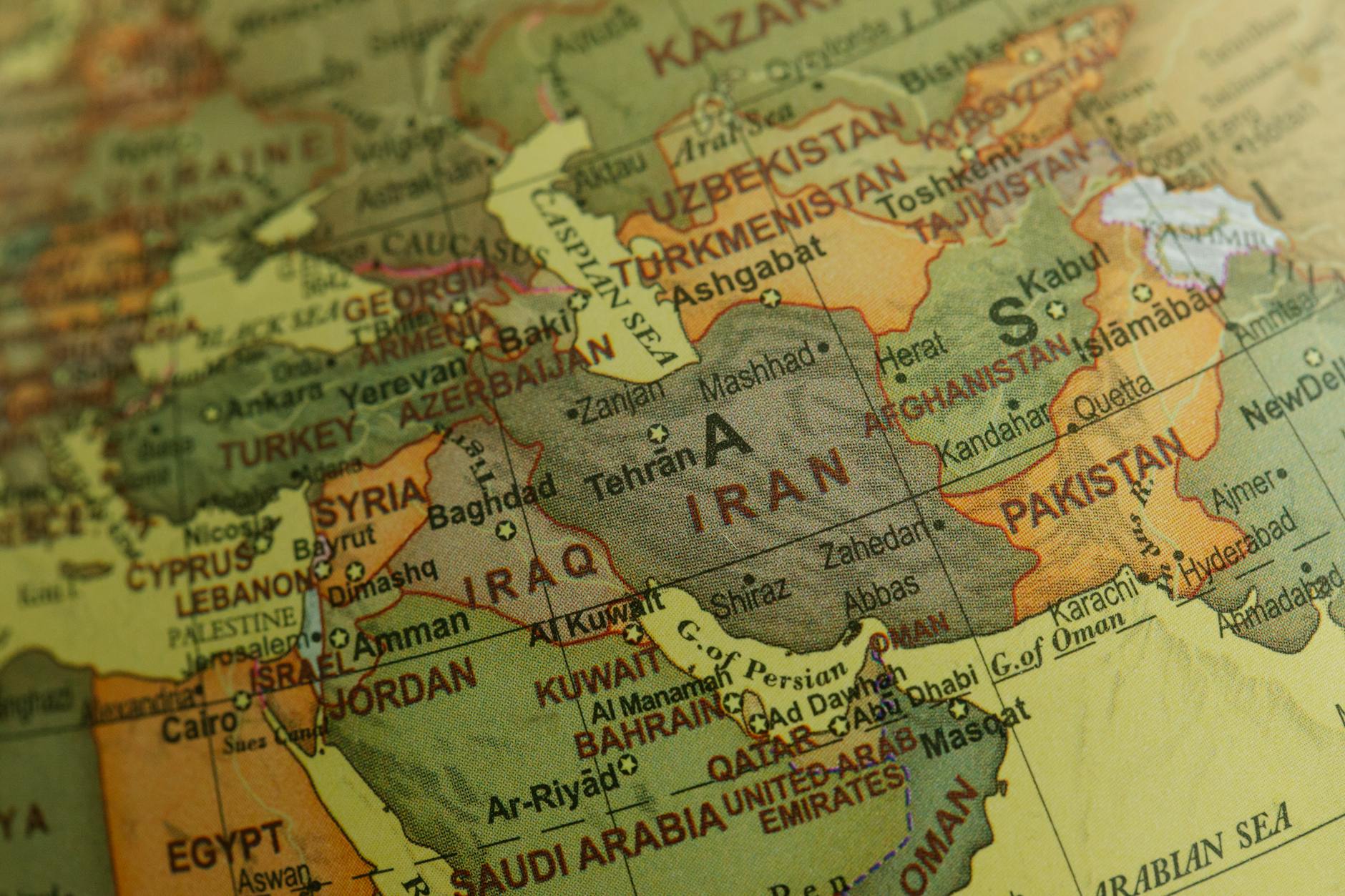
The economic history of Iran is a complex tapestry woven from the threads of ancient civilizations, cultural exchanges, and global interactions. From the prosperous and diverse economy of the Persian Empire to the revolutionary changes following the Islamic Revolution of 1979, Iran’s economic narrative showcases significant transformations influenced by a variety of historical events. The country has navigated through periods of prosperity and hardship, shaped by its strategic location, rich natural resources, particularly oil, and the shifting dynamics of international relations. This article delves into the multifaceted economic history of Iran, examining key periods that have significantly impacted its development, while also highlighting the contemporary challenges it faces in the global arena.
The Ancient Economy of Persia: Foundations and Contributions
The ancient economy of Persia, often referred to as the Achaemenid Empire (550-330 BC), laid the foundational structures for subsequent Iranian economic practices. The Achaemenids established an impressive administrative system that allowed for effective collection of taxes and distribution of resources across vast territories. The concept of a standardized coinage was introduced to facilitate trade, promoting both local and regional commerce. Key sectors included agriculture, textiles, and crafts, which not only supported local communities but also fueled trade along the Silk Road.
Agriculture was the backbone of the Achaemenid economy, with irrigation systems developed to optimize arable land. These advances allowed the empire to sustain larger populations and produce surplus crops, which were traded in exchange for goods from neighboring regions. The spread of Persian influences through trade established networks that connected cultures, enhancing the empire’s economic prosperity and contributing to the cultural exchanges that enriched the ancient world.
Moreover, the establishment of the Royal Road facilitated transportation and communication, integrating distant parts of the empire and promoting trade. This road linked cities across Persia, enabling merchants to transport goods with relative ease and security compared to prior eras. The Achaemenid era demonstrated a forward-thinking approach to economics, setting the stage for future developments throughout Iranian history.
The Impact of the Islamic Conquest on Economic Structures
Following the fall of the Sasanian Empire in the 7th century, the Islamic conquest brought transformative changes to the economic landscape of Iran. The initial upheaval led to a significant decline in trade routes that had flourished under the Sasanians. However, over time, the Islamic Golden Age catalyzed a revival of commerce and agriculture as Islamic principles promoted trade and market activities.
The introduction of new agricultural techniques and crops from diverse regions laid the groundwork for improved productivity. The Islamic caliphates instituted land reforms that redistributed agricultural land, enabling more equitable farming practices and empowering local economies. The trade expansion led to the establishment of major cities as economic hubs, including cities like Baghdad and Nishapur, fostering a rich cultural exchange that propelled innovations in science, technology, and arts.
Islamic banking practices, including the development of credit and checks, revolutionized trade. This banking system allowed merchants to engage in larger transactions over greater distances, thus revitalizing the economy of Iran and its interactions within the Islamic world and beyond. As these economic structures solidified, they began shaping Iranian identity and societal organization, intertwining cultural, religious, and economic threads in the tapestry of Iranian history.
The Safavid Era: Trade and Economic Expansion
The Safavid Empire (1501-1736) marked a pivotal period in Iran’s economic history, characterized by significant trade expansion and the establishment of a unique national identity. The Safavids, by embracing Shia Islam as a unifying force, fostered a sense of nationality that resonated throughout the empire and influenced trade dynamics.
During this period, Persian carpets, textiles, and ceramics gained global recognition, becoming highly sought-after commodities in both Eastern and Western markets. The empire benefited from its strategic location along the Silk Road, facilitating connections with Europe, Asia, and Africa, allowing Iranian goods to reach diverse markets. Moreover, the establishment of trade treaties with European powers, such as the Dutch and English, further enhanced Iran’s economic standing.
The Safavid era also saw the development of intricate trade networks, including caravansaries that served as rest stops for traders, promoting safer and more efficient transport of goods. Urban centers thrived, becoming wealthy market capitals where artisans and merchants engaged in vibrant economic activities. The flourishing economy also brought about advances in architecture and infrastructure, as cities expanded and urban planning became more sophisticated.
Despite these advancements, the Safavid Empire faced challenges due to internal strife and external threats. Nevertheless, its contributions to the Iranian economy left an indelible mark, setting the stage for future developments and laying the foundations for a vibrant merchant culture that permeated Iranian society.
The Pahlavi Dynasty: Modernization and Oil Industry Development
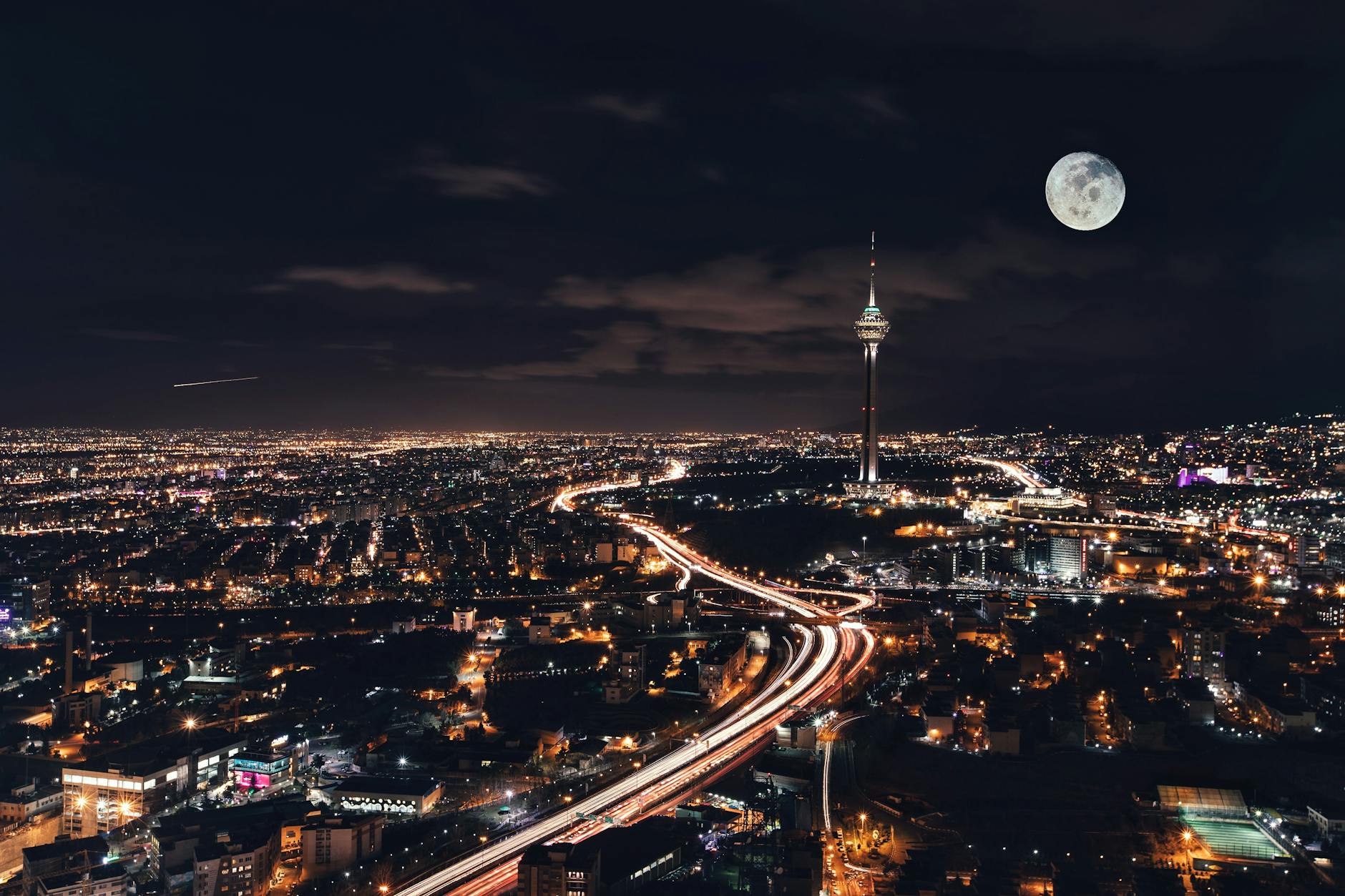
The 20th century witnessed transformative changes in Iran under the Pahlavi dynasty, particularly during the reign of Reza Shah Pahlavi (1925-1941) and his son Mohammad Reza Shah Pahlavi (1941-1979). The era was characterized by modernization efforts aimed at industrialization, infrastructure development, and, notably, the expansion of the oil industry.
The discovery of oil in the early 20th century was a game-changer for Iran’s economy. The establishment of the Anglo-Persian Oil Company (APOC) in 1908 marked the beginning of substantial foreign investment in the country’s oil sector, which became a dominant force in Iran’s economic landscape. Oil revenues fueled modernization projects, leading to the construction of roads, railways, and schools, transforming the economic fabric of the nation.
The Pahlavi regime implemented land reforms and invested in education, seeking to reduce dependence on traditional agriculture and promote a diversified economy. However, these modernization efforts were often met with resistance, as rural communities grappled with rapid changes and dislocation. Despite the rapid urbanization and industrial growth, the benefits were not evenly distributed, leading to social disparities and growing discontent among the population.
As the oil industry flourished, Iran emerged as a significant player in the global oil market. This prominence came with vulnerabilities, as the economy grew increasingly reliant on oil revenues, rendering it susceptible to fluctuations in global oil prices. The combination of modernization, economic growth, and social unrest culminated in the Iranian Revolution of 1979, which ultimately reshaped Iran’s economic trajectory and political landscape.
The Effects of Sanctions and Globalization on Iran’s Current Economy
In the wake of the 1979 revolution, Iran’s economy has faced significant challenges, largely influenced by domestic policies and international relations. The imposition of economic sanctions, particularly from the United States and its allies, has had profound effects on Iran’s economic development and globalization efforts.
Sanctions targeting Iran’s nuclear program led to isolation from global markets, severely impacting oil exports and foreign investment. The economic consequences were further exacerbated by domestic mismanagement, corruption, and political instability, which hindered economic growth and development. Inflation, unemployment, and currency devaluation have become pressing issues, alongside increasing discontent among the populace.
In contrast, the digital revolution has presented new opportunities for economic diversification through technology and e-commerce. Amid sanctions, many Iranian entrepreneurs have turned to the internet to reach international markets, establishing a growing tech sector. However, the government’s restrictions on freedom of expression and access to technology continue to pose significant challenges.
Iran’s current economy is at a crossroads, grappling with the legacies of its historical challenges while navigating the complexities of globalization and digital opportunities. The interplay between sanctions, domestic policies, and international relations will determine the trajectory of Iran’s economic future in an increasingly interconnected world.
Conclusion
The economic history of Iran is a chronicle of resilience, adaptation, and transformation. From its ancient roots to the complexities of modern global interactions, Iran has experienced a dynamic economic trajectory marked by both triumphs and challenges. Each historical phase has contributed to shaping its present economic landscape, influencing the social, political, and cultural fabric of the nation.
Understanding this intricate history is essential in comprehending Iran’s current economic conditions and the challenges it faces in the global context. As the country navigates through sanctions, seeks opportunities for growth, and balances its rich historical legacy with the demands of a modern economy, the narrative of Iran’s economic history continues to evolve, presenting both challenges and prospects for the future.
Sources
- Encyclopedia Britannica – Persian Empire
- The Journal of Economic History – Trade and Economy in Safavid Iran
- International Journal of Middle East Studies – The Economics of the Pahlavi Era
- CIA World Factbook – Iran
- Council on Foreign Relations – Iran Sanctions





[…] relationship between the United States and Iran has been fraught with tension and conflict for decades, rooted in a complex history that includes […]