
Introduction
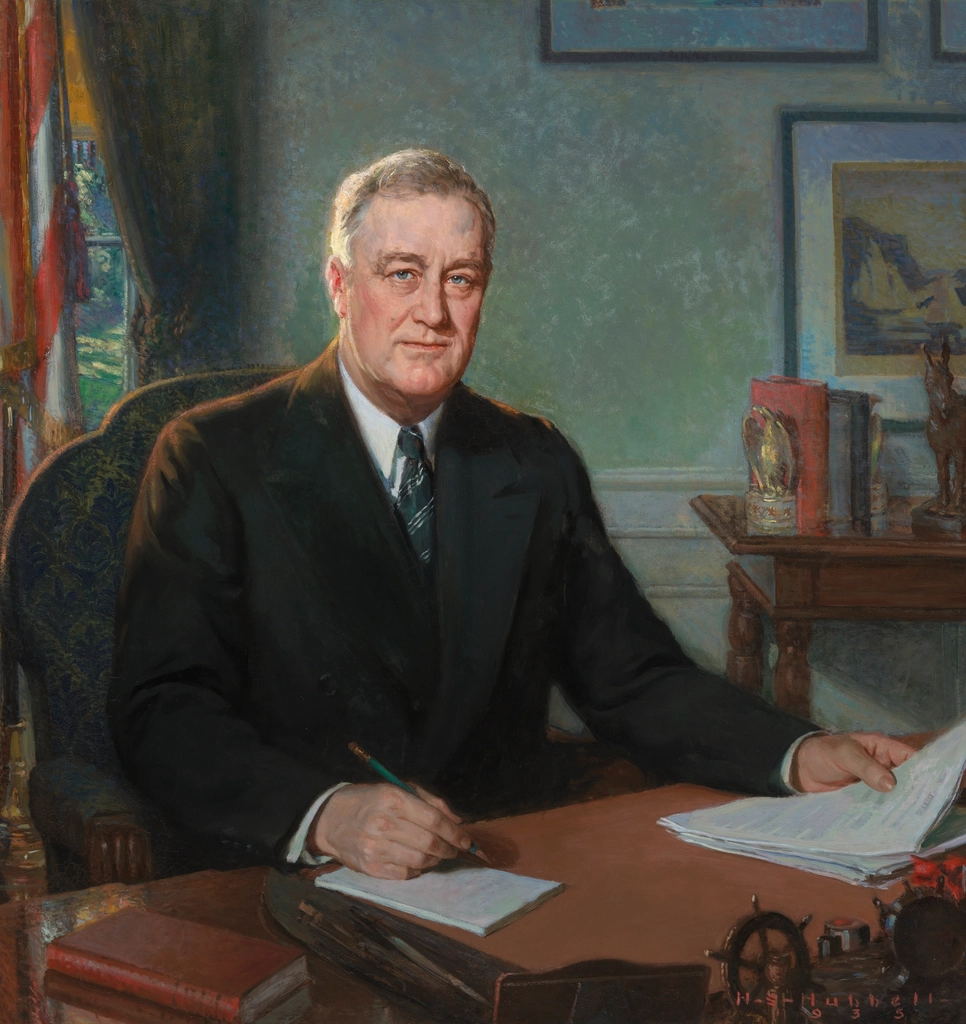
The New Deal, introduced by President Franklin D. Roosevelt in response to the Great Depression, marked a pivotal shift in the role of the federal government in American life. As the United States faced unprecedented economic despair, with soaring unemployment rates and widespread poverty, Roosevelt’s ambitious set of programs aimed to restore confidence, stimulate recovery, and reform the financial system. The New Deal encompassed a variety of initiatives designed to address both the immediate needs of citizens and the structural problems within the economy. This article will delve into the multifaceted history of the New Deal, examining its context, major programs, societal impacts, political dynamics, and enduring legacy, ultimately revealing its profound significance in shaping modern America.
The Context of the Great Depression
The Great Depression, beginning in 1929 and extending through the late 1930s, was one of the most catastrophic economic downturns in American history. At its onset, the stock market crash of October 29, 1929, sent shockwaves through the financial community, wiping out thousands of investors and triggering a chain reaction that led to bank failures, business closures, and skyrocketing unemployment. By 1933, when Roosevelt took office, the unemployment rate had risen to approximately 25%, leaving millions without jobs, income, or hope.
The Great Depression was characterized by a series of interrelated factors that contributed to its severity. Agricultural overproduction and drought ravaged the farming sector, particularly in the Midwest, leading to falling prices and the displacement of many farmers. This period also saw a decline in consumer spending, as widespread job loss led to reduced incomes and savings. As banks collapsed due to loan defaults and a lack of confidence in the financial system, the American public turned to the federal government for assistance. However, the previous administration, led by President Hoover, was slow to respond and maintained a philosophy of minimal government intervention, which left many citizens feeling abandoned.
Against this backdrop, Franklin D. Roosevelt ran a campaign promising a “New Deal” for the American people. His vision encompassed not only immediate relief for those suffering from the effects of the Depression but also a redefinition of the role of government in economic affairs. Roosevelt positioned himself as a figure of hope, advocating for an active government presence to stimulate economic recovery, create jobs, and provide social welfare. Upon taking office in March 1933, he quickly set about implementing a series of bold measures aimed at addressing the dire conditions across the nation.
Understanding the context of the Great Depression is essential for grasping the significance of the New Deal. It was not merely a set of economic policies; it was a fundamental response to a national crisis that called for innovative solutions and a rethinking of the social contract between the government and its citizens. Roosevelt’s approach represented a dramatic shift in American political culture, as the federal government began to take on responsibilities previously managed by state and local authorities, thereby reshaping the relationship between the citizen and the state.
The Introduction of the New Deal Programs
The New Deal programs were a hallmark of Roosevelt’s presidency, with initiatives aimed at providing immediate relief, promoting recovery, and implementing reforms to prevent future crises. Among the most significant programs were the Civilian Conservation Corps (CCC), the Works Progress Administration (WPA), and the Social Security Act. Each of these programs played a critical role in addressing the pressing needs of the American populace during the Great Depression.
The Civilian Conservation Corps (CCC) was established in 1933, focusing on providing jobs for young men while promoting environmental conservation. The program employed over 3 million Americans in activities like reforestation, park construction, and erosion control. This not only helped mitigate unemployment rates but also contributed to the national effort of preserving natural resources and enhancing public lands.
In addition to the CCC, the Works Progress Administration (WPA) was created in 1935 and became the largest and most ambitious New Deal agency. The WPA employed millions of Americans in a variety of sectors, including construction, arts, and education. Projects included building bridges, highways, and schools, which laid the groundwork for future infrastructure in America. The WPA also provided opportunities for artists and writers, allowing them to contribute to the cultural landscape while supporting themselves during economic hardships.
The Social Security Act of 1935 marked a significant milestone in American social welfare policy. This landmark legislation established a system of old-age benefits, unemployment insurance, and assistance for the disabled and families with dependent children. It represented a fundamental shift in the federal government’s role in ensuring the economic security of its citizens and laid the foundation for the modern social safety net.
Through these and other programs, the New Deal sought to revitalize the economy while simultaneously addressing the social injustices and vulnerabilities exposed by the Great Depression. The programs not only provided immediate relief but also initiated long-term changes in American governance, economics, and societal norms, fostering a new relationship between the citizens and their government.
Impact on American Society and the Economy
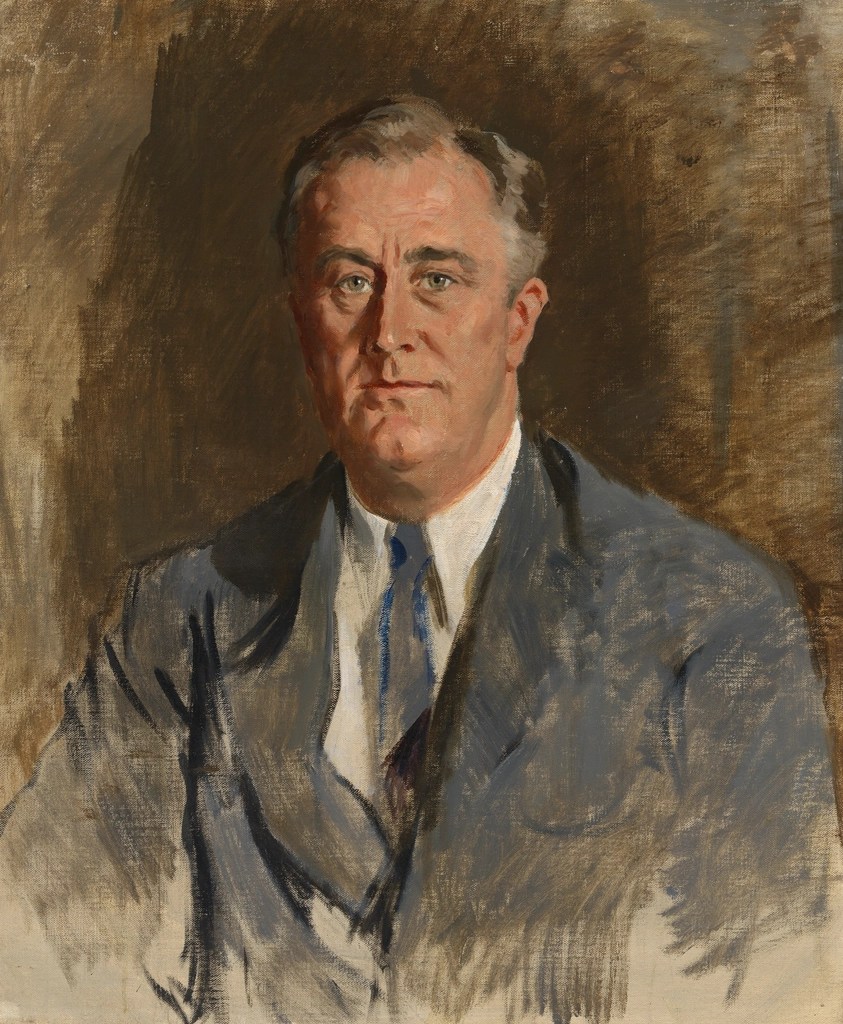
The New Deal had profound impacts on American society and economy, many of which reverberate to this day. As millions of Americans faced unprecedented hardship, the government’s intervention via New Deal programs was crucial not only for physical survival but also for restoring hope and a sense of dignity.
Economically, the New Deal aimed to stimulate recovery by injecting capital into the economy and creating job opportunities. The construction of infrastructure projects under the WPA and other agencies provided immediate employment for millions. By employing individuals in civil works, Roosevelt’s administration sought to alleviate the staggering unemployment rates and restore consumer confidence. As jobs were created, spending increased, which in turn stimulated further economic growth.
However, the New Deal was not just a set of economic programs; it also represented a significant change in the social fabric of America. For the first time, many citizens came to expect that the federal government would play an active role in their well-being. This shift led to the establishment of new social norms regarding government responsibility and citizen support. If economic conditions deteriorated, Americans began to look to Washington, D.C., for solutions, changing their perception of the role of federal authority in public life.
Socially, the New Deal also sought to address longstanding inequities within American society. Programs such as the Public Works Administration (PWA) and the Federal Housing Administration (FHA) aimed to provide affordable housing and improve living conditions for low-income families. Furthermore, the inclusion of vocational training and education initiatives helped empower marginalized groups, offering new opportunities for economic mobility.
Despite these advancements, the New Deal’s benefits were not evenly distributed. Racial inequalities persisted, as many African Americans and other minorities faced discrimination in accessing jobs and resources. The policies were often administered in ways that perpetuated systemic racism, with many New Deal programs veering towards exclusionary practices. Nonetheless, the period did initiate dialogues around civil rights and equity that would continue to develop in the ensuing decades.
As the nation gradually recovered from the economic collapse, the New Deal’s combination of recovery, relief, and reform proved essential in mitigating the impact of the Great Depression. The programs not only helped to stabilize the economy but also laid the groundwork for a more involved federal government active in addressing social justice and economic security.
Political Opposition and Support
The New Deal was a subject of intense political debate, garnering both fervent support and staunch opposition. Roosevelt’s progressive policies had created a political coalition that spanned various demographics, with many Americans viewing the New Deal as a necessary response to the unprecedented crises of the time. However, opposition emerged from multiple fronts, ranging from fiscal conservatives to proponents of alternative solutions.
The opposition from conservative factions primarily stemmed from concerns over government overreach and increased federal spending. Critics argued that the New Deal expanded the role of the government to an unacceptable level, undermining individual liberties and states’ rights. Figures like businessman and former presidential candidate Alf Landon, along with organizations like the American Liberty League, condemned Roosevelt’s policies for introducing too much regulation and bureaucracy into the economy.
On the other hand, some voices on the left criticized the New Deal for not going far enough. Figures like Dr. Francis Townsend and Father Charles Coughlin proposed radical reforms, arguing that the New Deal failed to adequately address the root causes of poverty and economic inequality. The Townsend Plan sought to provide monthly pensions for the elderly, while Coughlin pushed for the redistribution of wealth. These criticisms highlighted the diverse political landscape of the era, revealing that even as Roosevelt’s coalition gained momentum, it also faced existential challenges within its own ranks.
The political dynamics shifted further when the Supreme Court began striking down key components of the New Deal legislation. In several high-profile cases, the Court ruled that certain programs were unconstitutional, leading to Roosevelt’s infamous “court-packing” plan in 1937. This controversial proposal aimed to expand the number of justices, allowing Roosevelt to appoint additional judges who would be sympathetic to his policies. However, this plan backfired, generating significant backlash and political ramifications, further impacting Roosevelt’s standing with Congress and the American people.
Despite opposition, the New Deal fundamentally reshaped the Democratic Party and laid the groundwork for future political alignments. The coalition formed during this era included labor unions, African Americans, and intellectuals, marking a significant realignment in American politics. Roosevelt’s ability to communicate directly with the public through his fireside chats and harness the power of new media played a crucial role in building widespread support.
Ultimately, the New Deal’s political struggles illustrated the complexities involved in implementing such a sweeping set of reforms in a highly polarized environment. The programs and policies faced opposition from both the left and the right, revealing the deeply entrenched ideologies that marked American political discourse during the 1930s.
Legacy of the New Deal
The legacy of the New Deal remains a critical topic of discussion among historians, economists, and political scientists alike. Although there is debate regarding the extent of its immediate success, there is consensus that it profoundly transformed the fabric of American governance and the relationship between the state and its citizens. Key aspects of its legacy include reshaping social welfare policies, altering political alliances, and influencing future economic policies.
One of the most significant contributions of the New Deal was its impact on social welfare. The establishment of Social Security laid the groundwork for a social safety net that persists today. By recognizing the government’s responsibility to provide for its citizens during times of hardship, the New Deal set a precedent for future welfare programs. Subsequent administrations built upon this foundation, expanding social services to include healthcare, housing, and unemployment benefits.
In addition, the New Deal encouraged the growth of organized labor. Labor unions gained strength and prominence during this period, with labor laws protecting workers’ rights to organize and bargain collectively. The Wagner Act of 1935, for instance, established crucial legal protections for labor unions and transformed the labor movement in the United States. This shift empowered workers and altered the balance of power between labor and management, influencing labor relations for decades to come.
Politically, the New Deal reshaped the Democratic Party, forging a coalition of diverse groups including labor, minority communities, and intellectuals. This coalition began to reflect a broader progressive agenda, advocating for the rights and needs of working-class Americans. The impact of this coalition lasted well beyond the Great Depression, establishing the Democratic Party as the champion of social reform well into the latter half of the 20th century. This realignment in American politics can be seen through subsequent Democratic administrations, which continued to draw from the New Deal ethos to address social and economic challenges.
Despite the substantial challenges faced during the implementation of the New Deal, including opposition from various factions and ongoing economic difficulties, its influence on subsequent financial policies was profound. The lessons learned from the New Deal, particularly regarding the necessity of government involvement during economic crises, shaped the responses to economic downturns in the years to follow, including the financial crisis of 2008-2009.
In conclusion, the New Deal’s legacy is multifaceted and enduring, influencing contemporary policies, social structures, and political alignments. Its impact was felt across the nation, catalyzing widespread change and fostering a reimagined role for government that emphasized responsibility for the economic and social welfare of citizens. The New Deal remains a testament to the power and capabilities of government intervention in the face of profound national adversity.
Conclusion
The history of Roosevelt’s New Deal is a compelling narrative of innovation and resilience in the face of economic catastrophe. Faced with the dire straits of the Great Depression, Roosevelt’s ambitious set of programs not only aimed to provide immediate relief but also sought to redefine the role of government in American life. Through its various initiatives, the New Deal addressed pressing economic challenges while also striving for social equity and justice.
Despite facing significant political opposition and criticisms from across the spectrum, the New Deal left a lasting legacy that transformed American society, shaped political alignments, and established a new framework for social welfare that informs contemporary policies. By navigating the complexities of governance during one of the country’s darkest economic periods, the New Deal provided crucial lessons about the importance of government intervention and the need for a collaborative society.
Ultimately, the New Deal’s impact continues to resonate, reminding us of the power of collective efforts to combat adversity and the necessity of an engaged government in securing the well-being of its citizens.
Read also our article about The Great Depression: Lessons from the Economic Catastrophe of 1929.
Sources
- The Franklin D. Roosevelt Presidential Library and Museum
- “America’s New Deal” by Eric Rauchway
- “The New Deal: A Modern History” by Michael Hiltzik
- “The Politics of the New Deal” by William Leuchtenburg
- “The Great Depression: A Diary” by Benjamin Roth








[…] to respond to the profound economic crisis that had gripped the nation. Under the leadership of President Franklin D. Roosevelt, who took office in March 1933, the government implemented a series of sweeping reforms and […]
[…] Nazi nuclear program. Concerned about the ramifications of an atomic bomb falling into enemy hands, President Franklin D. Roosevelt authorized the formation of the Manhattan Project in […]