
Introduction
The Ottoman Empire, one of history’s most formidable powers, flourished from the late 13th century until the early 20th century, leaving a significant imprint on economic, political, and cultural landscapes. The Ottoman Empire Economy was intricate and multifaceted, reflecting a blend of traditional practices and adapting responses to changing circumstances. The Ottoman economy was characterized by its extensive trade networks, diverse agricultural practices, and a complex taxation system. Understanding the Ottoman economic model provides critical insights into how the empire sustained itself and facilitated prosperity throughout its vast territories. This article aims to explore the various facets of the Ottoman economic model, analyzing its key components, strengths, and challenges.
Overview of the Ottoman Empire Economy
The Ottoman Empire Economy was built on a combination of agriculture, trade, and manufacturing, creating a diversified economy that underpinned its political strength. At the heart of this model was the agricultural sector, which not only provided sustenance for the population but also served as the backbone of taxation. The empire relied heavily on land tenure systems, where large estates were managed by the state, while smaller landholdings were given to peasants.
The economic framework was heavily influenced by the millet system, which allowed for a degree of autonomy in managing community affairs, including economic activities. This system enabled different religious and ethnic groups within the empire to maintain control over their economic practices while contributing to the empire’s overall wealth.
Trade was another cornerstone of the Ottoman economy. The empire’s strategic geographic location connected Europe and Asia, facilitating the flow of goods, ideas, and cultures. Ottomans established extensive trade networks that included key cities such as Constantinople, Alexandria, and Damascus. These networks allowed for the exchange of spices, silk, and other luxury goods, elevating the Ottoman economy on the global stage.
Furthermore, the Ottoman industrial sector was characterized by artisanal production, which thrived in urban centers. Guilds regulated trades, maintained quality standards, and provided training for craftsmen. The combination of these elements forged an economic system that was both robust and adaptable, capable of responding to internal and external pressures.
Trade Networks and Their Importance
The Ottoman Empire’s trade networks were vital in facilitating economic growth and cultural exchange. Positioned at the crossroads of Europe and Asia, the empire controlled key trade routes that connected the East and West. The Silk Road, for instance, passed through Ottoman territories, enabling the exchange of not only goods but also ideas and technology.
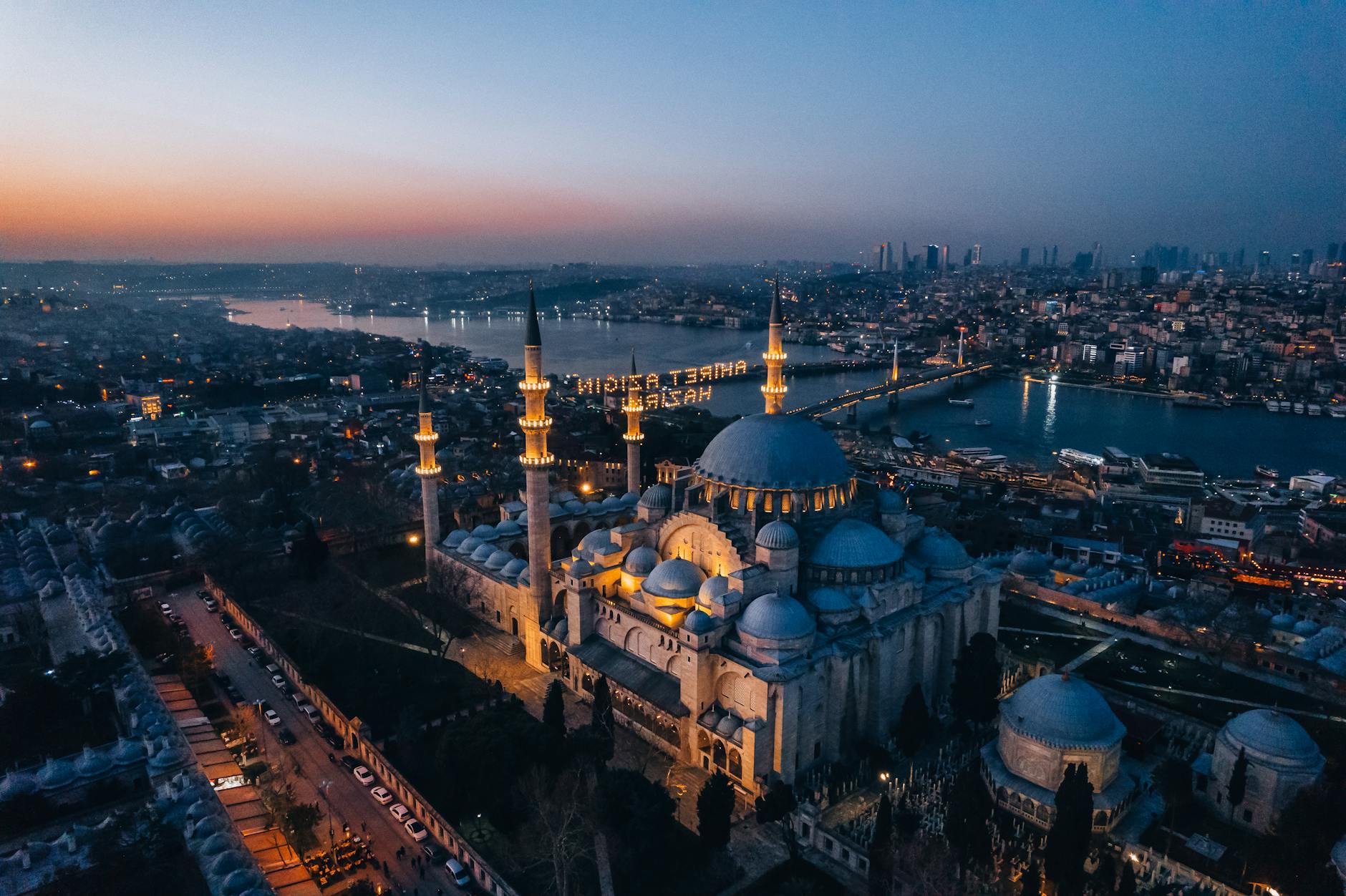
The empire’s capital, Istanbul, served as a bustling trade hub, attracting merchants from various regions. The Grand Bazaar, one of the oldest and largest covered markets in the world, was a focal point for commerce, offering a wide range of products from textiles to spices. The protection and regulation of trade provided by the state contributed to a stable economic environment, encouraging merchants to partake in commerce without fear of arbitrary taxation or violence.
Ottoman trade was not limited to overland routes. Maritime trade also flourished, with the empire’s navy providing security for cargo ships in the Mediterranean and the Black Sea. The establishment of trading partnerships and alliances facilitated access to markets in Europe, particularly during periods when the empire reached its territorial zenith.
Moreover, trade significantly contributed to urbanization, as cities grew around trade centers. These urban areas became melting pots of culture and commerce, fostering innovation and interaction among diverse populations. The wealth generated from trade allowed the Ottoman state to invest in public works, such as roads, bridges, and mosques, further enhancing infrastructure and stability.
In summary, the trade networks of the Ottoman Empire were indispensable to its economic model, providing routes for commerce and fostering socioeconomic development. The integration of trade into the broader economic framework empowered the empire, allowing it to thrive for centuries.
Agriculture and Land Management
Agriculture was the cornerstone of the Ottoman economy, comprising the primary livelihood for the majority of the population. The empire’s vast territories encompassed various ecological zones, enabling diverse agricultural practices tailored to regional conditions. Key crops included wheat, barley, rice, and cotton, all contributing to food security and economic vitality.
The land management system during the Ottoman era was characterized by a blend of state-controlled and privately held lands. The state instituted the timar system, where lands were granted to military officers in exchange for military service. This arrangement ensured that the state maintained control over agricultural production while incentivizing landholders to maximize crop yields due to the benefits of their ownership.
Peasants, who constituted the backbone of agricultural production, were generally organized in village communities, with local leaders overseeing the management of resources and agricultural practices. The state implemented a system of agricultural taxes, often taking a fixed percentage of produce from farmers, which provided the empire with essential revenue. The efficiency of this system was dependent largely on local governance, as village heads acted as intermediaries between the state and the farmers.
During the Ottoman period, agricultural techniques evolved through the introduction of new crops and improved irrigation methods. The empire benefited from knowledge exchange with other cultures, particularly during conquests that introduced techniques from Persia and beyond. Crop rotation, the use of fertilizers, and the expansion of irrigation systems helped increase productivity and support growing population demands.
Despite these advancements, agriculture also faced challenges, such as droughts, pests, and fluctuating markets. The empire’s reliance on an agrarian economy made it vulnerable to these factors, leading to occasional famine and unrest among peasant populations. The state occasionally responded with reforms aimed at stabilizing agricultural production through land redistributions and investments in infrastructure.
In short, agriculture and land management were pivotal to the Ottoman economic model, sustaining a large population and providing the state with critical resources. The balance between state control and local governance shaped the efficiency and resilience of agricultural practices, solidifying the empire’s economic foundation.
Crafts and Industries in the Ottoman Economy
The crafts and manufacturing sectors in the Ottoman Empire were instrumental in driving economic development and fostering urban growth. Artisanal production flourished in cities, where skilled craftsmen produced a variety of goods ranging from textiles and ceramics to metalwork and glass. The presence of guilds played a critical role in regulating these industries, ensuring quality standards, providing training, and maintaining competitive pricing.
Istanbul emerged as a hub for numerous crafts, attracting artisans from across the empire and neighboring regions. The production of silk was particularly significant, with Persian and Ottoman weavers creating exquisite fabrics that were highly sought after both locally and internationally. The textiles industry not only boosted the economy but also enhanced the empire’s cultural identity, as garments often reflected regional styles and techniques.
Metalwork was another vital component of Ottoman industry, with artisans creating intricate jewelry, weapons, and household items. The famous Ottoman sabers, known for their craftsmanship and design, became emblematic of the empire’s military prowess. Moreover, industries such as pottery and glassmaking thrived in towns like Kütahya and Iznik, where artisans developed techniques that produced world-renowned ceramics.
The guild system played a pivotal role in sustaining these industries. Guilds were responsible for training apprentices, maintaining quality control, and setting prices for goods. They also provided a social safety net for artisans, offering mutual support and assistance. However, the rigid structure of guilds also posed challenges, as they sometimes stifled innovation by prioritizing tradition over new techniques and products.
The emergence of trade during the late Ottoman period introduced new dynamics within the crafts and industries sector. Increased global demand for Ottoman goods encouraged artisans to expand production and explore new markets. The government encouraged the establishment of factories in urban areas, which began to shift traditional artisanal practices towards more mechanized production methods.
Despite the opportunities created by trade and industrialization, the traditional crafts faced challenges from Western industrial competition in the late 19th century. Many artisans struggled to adapt to new market realities, leading to economic difficulties within the sector. The Ottoman government eventually recognized the need for reform, focusing on modernizing industries to enhance competitiveness.
In conclusion, the crafts and industries of the Ottoman Empire were vital to its economic vitality and cultural richness. Through skilled labor and innovative practices, artisans contributed significantly to the empire’s wealth and legacy.
Taxation and Revenue Systems
The taxation and revenue systems of the Ottoman Empire were essential in sustaining its vast administrative and military structures. The empire employed a diverse range of taxes, reflecting the complexity and variety of its social and economic landscape. The collection of taxes was generally organized at the provincial level, adhering to a decentralized approach that allowed local administrators some flexibility in governance.
A key component of the Ottoman taxation system was the land tax (öşr), which was levied on agricultural produce. This tax constituted a significant source of revenue, as it applied to the majority of the population engaged in farming. In addition to the land tax, the empire also imposed a tithe on various crops, an additional levy that further augmented state income.
The taxation system encompassed various other sources, including taxes on trade (such as customs duties), property, and inheritance. The state also collected taxes on luxury goods, ensuring that wealthier citizens contributed more significantly to the treasury. This progressive taxation structure aimed to balance revenue generation with social equity, albeit with variances based on local contexts and administrative practices.
Administrative inefficiencies and corruption were challenges faced in tax collection, as local officials often sought to exploit tax policies for personal gain. This led to regional disparities, with some provinces faring better than others in terms of revenue generation. To mitigate these issues, the central authority periodically implemented reforms, increasingly adopting more systematic and standardized approaches to tax collection.
Moreover, during times of war or financial stress, the Ottoman state resorted to deficit financing and borrowing, utilizing funds from wealthy merchants and foreign investors. This reliance on external financing posed risks and ultimately led to economic strains as the empire approached its decline.
Throughout its history, the Ottoman Empire’s taxation strategies reflected the complexities of governing a diverse and sprawling state. Effective taxation was critical in maintaining the empire’s stability and financing its military ambitions. However, the pressures of modernization and external competition ultimately necessitated significant reforms, reshaping the empire’s revenue systems as it faced economic challenges.
Conclusion
In conclusion, the Ottoman Empire Economy was a multifaceted system that successfully integrated agriculture, trade, crafts, and taxation. Each aspect played a crucial role in supporting the empire’s longevity, resilience, and cultural vibrancy. The interplay between local practices and imperial control fostered a dynamic economy that adapted to historical circumstances.
Despite challenges such as external competition and internal corruption, the Ottoman Empire managed to thrive for centuries, leveraging its geographic position to enhance trade and cultural exchange. By studying its economic model, we gain insights into how complex systems can evolve and sustain empires over long periods. The legacy of the Ottoman economy continues to resonate, offering valuable lessons in adaptability, governance, and cross-cultural interaction.
Sources:
- “The Ottoman Empire: A Short History” by Suraiya Faroqhi
- “Ottoman Economic and Social History” by Donald Quataert
- “The Ottoman Empire: 1700-1922” by Stanford J. Shaw
- “An Economic History of the Ottoman Empire” by Sevket Pamuk
- “Trade and Cultural Exchange in the Ottoman Empire” by Lily M. Smith








[…] the years—from a fortress the Genoese used to defend their colony, to a fire-watch tower in the Ottoman Empire, and now a major tourist attraction—reflects the dynamic nature of Istanbul itself. In this […]
[…] a tumultuous period in Greek history, marked by the decline of the Byzantine Empire and the rise of Ottoman rule. Founded in the 14th century, these monasteries became bastions of the Orthodox Christian […]