
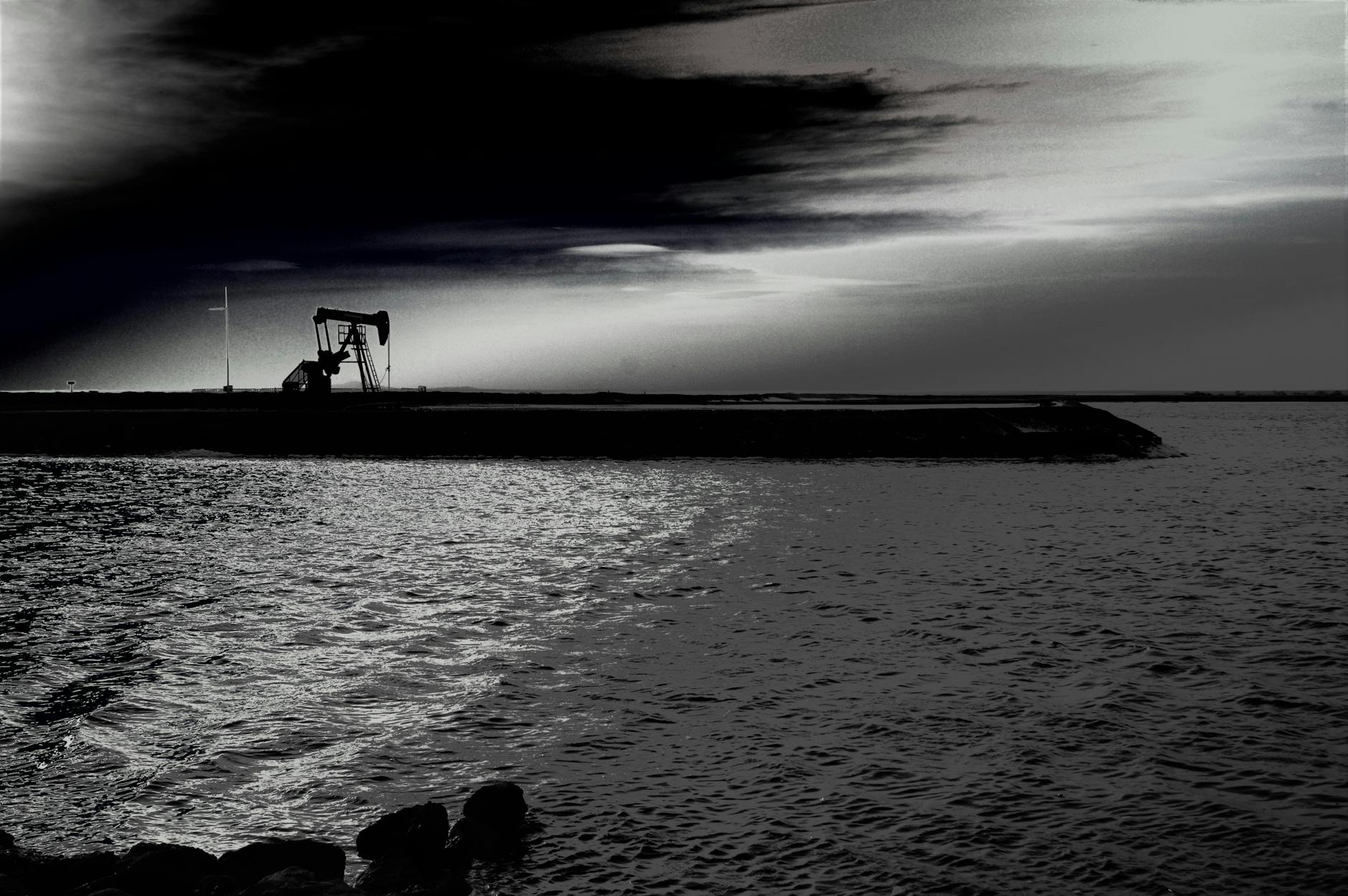
Introduction
The 1970s Oil Crisis was a critical juncture in modern history that reshaped the global economic landscape. Emanating from a confluence of geopolitical tensions and economic vulnerabilities, the crisis not only led to skyrocketing oil prices but also changed the relationships between oil-producing nations and consuming countries. The resulting energy shortages compelled nations to rethink their energy policies, leading to shifts in economic power dynamics and prompting the relationship between government, economy, and energy consumption to evolve. This article aims to trace the events leading to the Oil Crisis, analyze its impact on economies worldwide, and extract lessons that remain relevant today. By understanding the complexities of this era, we can better appreciate the actions taken to mitigate future crises.
The Prelude to the Oil Crisis: Global Economic Conditions in the 1960s
The decade preceding the oil crisis was marked by a mix of affluence and uncertainty. The global economy experienced significant growth due to post-World War II reconstruction and technological innovation. The United States emerged as the dominant economic power, while Europe and Japan began to recover, resulting in a booming demand for fossil fuels. This increased consumption set the stage for vulnerability, particularly as dependence on oil grew.
During the 1960s, the world’s energy needs were primarily met by the six major oil companies, often referred to as the “Seven Sisters.” These companies wielded enormous power over global oil prices and production, effectively monopolizing the market. They controlled exploration, extraction, refining, and distribution, leading to an imbalance that impacted oil-exporting countries. Many of these nations, particularly in the Middle East, saw relatively low revenues from their vast oil reserves, despite the increasing demand driven by industrial growth.
Political unrest in oil-rich nations began to brew as calls for nationalization of petroleum resources grew louder. Countries like Venezuela, which was among the first to nationalize its oil production in the 1970s, inspired other nations. The culmination of this sentiment eventually led to changes in how oil was produced and sold globally.
Additionally, economic factors played a key role. Economies in industrialized nations were hit by stagflation in the late 1960s and early 1970s. As inflation rose alongside unemployment, consumers began to feel the squeeze. The economic strain increased reliance on oil to fuel growing industries and transportation networks, creating an unsustainable model. A stark dependence on foreign oil imports made these economies particularly vulnerable to disruptions.
The shift in the geopolitical landscape added layers of complexity to the situation. The rise of Arab nationalism fostered tensions in the Middle East, especially as conflicts, including the Six-Day War in 1967, disrupted oil flow and led to price increases. The Arab states, unified in their desire to assert control over their resources, began to organize a collective response to foreign influence in the region. This culminated in the formation of the Organization of the Petroleum Exporting Countries (OPEC), which sought to coordinate policies among its member states and improve their economic standing.
The groundwork was laid for a crisis that would not only affect oil prices but also redefine relationships among nations and alter economic forecasting for years to come.
The Emergence of OPEC and Its Role in the Oil Crisis
The Organization of the Petroleum Exporting Countries (OPEC) emerged as a response to the growing frustration among oil-producing nations regarding the control exerted by the major oil companies. Established in 1960, OPEC consisted of five founding members: Iran, Iraq, Kuwait, Saudi Arabia, and Venezuela. The core mission of OPEC was to coordinate and unify petroleum policies among member countries to ensure fair prices and stable oil supplies.
Throughout the 1960s, OPEC worked to strengthen its position in the global oil market. Unlike the oil companies, OPEC’s member states sought to influence the price of oil to reflect the true value of their resources. The collective nature of OPEC allowed these countries to exert significant power, leading to increased oil prices that directly benefited their economies. This unity also sowed the seeds for conflict with consuming nations, as the disparity between oil prices and the cost of production became increasingly apparent.
In the lead-up to the 1973 Oil Crisis, OPEC began to demonstrate its influence. The organization started implementing production quotas, effectively manipulating oil supply to achieve higher prices. This strategy was made easier by the growing geopolitical tensions in the Middle East, especially after the Yom Kippur War in October 1973. Several OPEC member countries retaliated against the West for supporting Israel during this conflict by imposing an oil embargo.
The 1973 Oil Embargo marked a turning point in global energy politics. OPEC dramatically reduced oil production, and as a result, prices soared. Countries reliant on oil imports experienced severe shocks to their economies, leading to fuel shortages and inflation. The United States, which was heavily dependent on foreign oil, endured long lines at gas stations, a stark reminder of vulnerability within its domestic market.
Moreover, the OPEC embargo served as a wake-up call for the global community, forcing governments and citizens alike to reconsider their energy consumption habits. Many countries began to explore alternative energy sources and improve energy efficiency in response to the crisis. The notion that oil-rich nations held such leverage over industrial powers continued to reverberate through decades of international relations.
In summary, the emergence of OPEC fundamentally altered the dynamics of the oil industry and emphasized the geopolitical tensions surrounding oil production. The organization not only influenced prices and supply but also heightened awareness of energy security, forever changing how countries approached their energy policies.
Major Events of the Oil Crisis: 1973 Embargo and Its Aftermath
The pivotal events of 1973, particularly the oil embargo initiated by OPEC, are often viewed as the catalyst for the oil crisis that fundamentally changed the global landscape. In October 1973, following the outbreak of the Yom Kippur War between Israel, and a coalition of Arab nations, OPEC member states took a historical step by implementing an oil embargo against countries perceived to be supporting Israel, particularly the United States and several Western European nations.
The impact of the embargo was immediate and severe. Initially, it resulted in a sharp increase in oil prices, with costs skyrocketing from approximately $3 per barrel to nearly $12 within months. The global economy, already strained by inflation and rising production costs, was thrust into chaos as countries scrambled to secure oil supplies. For the United States, which had been dependent on foreign oil for an ever-growing share of its energy needs, the repercussions were harsh and immediate. Gasoline shortages arose, leading to long lines at gas stations and a wave of public frustration. Rationing of fuel became commonplace as consumers faced unprecedented challenges in securing basic transportation.
The repercussions of the embargo extended beyond mere access to fuel. Major industries reliant on oil, including automotive and manufacturing, saw production slow due to escalating costs and uncertainty. Additionally, the crisis had a far-reaching psychological effect on the American public, who were unaccustomed to the notion of resource scarcity. For many, it served as a painful reminder of the nation’s vulnerability.
Interestingly, the 1973 Oil Crisis forced many governments to rethink their energy policies. In response to the crisis, initiatives aimed at energy conservation and research into alternative fuel sources gained momentum. The U.S. government implemented a series of policies designed to curb oil consumption, including the establishment of the Department of Energy and the introduction of fuel efficiency standards for vehicles. Public awareness campaigns also encouraged citizens to conserve energy, altering consumption patterns for decades.
Internationally, the Oil Crisis reshuffled the geopolitical landscape. Emerging economies were hit particularly hard as they struggled to manage rising costs and decreased economic growth. For OPEC nations, the embargo was a double-edged sword; while it solidified their control over the oil market, it also created a reliance on revenue from a single resource, inadvertently exposing them to their own vulnerabilities.
In conclusion, the events of the 1973 Oil Crisis highlighted the perilous stakes of oil dependency. The embargo was not merely about oil; it represented a clash of political ideologies and national interests with far-reaching effects. The legacy of the crisis informed energy policies and international relations for decades, making it a defining moment in history that continues to influence today’s energy landscape.
The Economic Impact of the Oil Crisis on Western Economies
The economic impact of the 1970s Oil Crisis was profound and long-lasting, affecting Western economies in unprecedented ways. Triggered by OPEC’s oil embargo and the resultant price hikes, the crisis led to widespread economic disruptions characterized by stagflation—a pernicious combination of stagnant economic growth and high inflation.
In the United States, the crisis exacerbated existing economic woes, pushing inflation rates to double-digit levels while unemployment rose significantly. The skyrocketing energy prices led to increased operational costs for businesses, resulting in layoffs and further economic stagnation. Many industries, from transportation to manufacturing, experienced severe disruptions due to the increase in petroleum prices, which directly impacted production and supply chain dynamics.
As oil prices increased, consumers faced higher costs, not only for gasoline but for everyday goods and services that depended on oil for production and transportation. This inflationary pressure led to decreased consumer confidence and spending, further amplifying the economic downturn. The crisis served as a catalyst for a cycle of recession that influenced economic policy for years to come.
In response to the economic turmoil, the Federal Reserve and other Western governments turned to traditional monetary policy tools. Efforts to combat inflation included raising interest rates, which further dampened consumer spending and investment. The pain of recession continued for years as the broader implications of the Oil Crisis played out in the global economy.
Europe, heavily reliant on oil imports, faced similar challenges. The crisis forced many European countries to confront their own vulnerabilities and rethink their energy strategies. Governments across the continent implemented measures to encourage energy conservation and diversification of energy sources. Some nations began to invest in alternative fuels and renewable energy as a way to buffer against future crises stemming from oil dependency.
Moreover, the Oil Crisis had lasting geopolitical ramifications. It underscored the fragility of Western economies that had sought to globalize and integrate energy markets. The increased realization of the geopolitical risks associated with oil dependency led to a growing emphasis on energy independence—a theme that would continue to shape economic policies in the decades to follow.
In conclusion, the economic impact of the 1970s Oil Crisis was felt across Western economies, resulting in profound changes in policy, business practices, and consumer behavior. The lesson of vulnerability amid dependence on oil became a defining feature of economic planning, leading to shifts that would influence energy strategies worldwide.
Long-term Consequences and Lessons Learned from the Oil Crisis
The 1970s Oil Crisis left behind a legacy that continues to inform energy policy and global relations today. As countries navigated the immediate challenges posed by the price surge and supply disruptions, several long-term consequences emerged, shaping the discourse on energy security and leading to widespread transformations in the energy landscape.
One of the most significant consequences was the increased focus on energy diversification. In the wake of the crisis, many nations recognized the need to reduce reliance on oil imports. As a result, investments in alternative energy sources began to surge. Governments sought to develop nuclear energy, renewable resources, and other technologies intended to lessen dependence on fossil fuels. This commitment to diversification remains a central theme in energy policy discussions today, with countries exploring various avenues from solar to wind power.
Additionally, the crisis dramatically reshaped energy consumption patterns. Awareness of the need for energy efficiency became imperative. Fuel economy standards for vehicles were introduced in the United States, encouraging manufacturers to develop more efficient engines and promoting public awareness of conservation measures. This cultural shift towards energy efficiency has persisted, influencing consumer behavior and industrial practices in subsequent decades.
The Oil Crisis also altered geopolitical relationships, emphasizing the importance of engagement with oil-producing countries. The dynamics of international relations shifted, as consuming nations recognized the necessity of maintaining stable relationships with OPEC members and other oil-exporting countries. Diplomatic efforts to ensure energy supply became a key focus of foreign policy, reflecting a short-term reality that would evolve over decades into discussions about energy security and mutual economic interests.
Furthermore, the economic lessons learned from the crisis fostered a broader understanding of the fragility of the global energy market. The volatility experienced during the Oil Crisis highlighted the risks associated with over-reliance on a single resource, prompting greater focus on geopolitical stability, market diversification, and strategic reserves. The establishment of the Strategic Petroleum Reserve in the U.S. and similar initiatives globally aimed to buffer against future shocks, ensuring that countries had a plan in case of disruptions.
In summary, the long-term consequences of the 1970s Oil Crisis extended far beyond immediate economic impacts. The lessons learned have shaped energy policy, international relations, and consumer awareness to create a more resilient and diversified energy landscape. Engaging with the complexities of energy dependency continues to be crucial as nations grapple with modern energy challenges and the imperative of a sustainable future.
Conclusion
The 1970s Oil Crisis remains a pivotal moment in history that reshaped economies, altered geopolitical landscapes, and changed energy consumption behaviors worldwide. Understanding the origins, progression, and consequences of this crisis offers valuable insights into the intricate relationships between resource management, economic stability, and international cooperation. As we navigate today’s energy challenges, the lessons learned from the Oil Crisis resonate with contemporary audiences, prompting ongoing discussions about energy security, sustainability, and responsible consumption. The legacy of that tumultuous decade serves as a reminder of the fragility inherent in global energy markets and the importance of remaining vigilant in the face of emerging challenges. By studying the intricacies of the Oil Crisis, we can better prepare for the future and foster a more sustainable approach to energy production and consumption.
Sources Consulted
- “A Brief History of the Oil Crisis.” Source Link
- “The Arabian Oil Embargo and Its Impact.” Source Link
- “OPEC: The Rise and Fall of Oil Prices.” Source Link
- “Global Economic Impact of the 1973 Oil Crisis.” Source Link
- “Lessons from the 1970s Oil Crisis.” Source Link
Watch also







[…] first major challenge was the oil crisis of 1973, which dramatically affected global economies. Japan, heavily reliant on imported oil, suffered […]
[…] low inflation, stagflation presented a unique dilemma for policymakers. This period was defined by oil crises, monetary policy shifts, and increasing geopolitical tensions, all of which contributed to economic […]
[…] economy, underlying issues began to surface in the form of inflation and income disparity. The oil crisis of 1973 sent shockwaves through the global economy, resulting in skyrocketing oil prices and placing […]
[…] as the economy grew increasingly reliant on oil revenues, rendering it susceptible to fluctuations in global oil prices. The combination of modernization, economic growth, and social unrest culminated in the Iranian […]
[…] history is any guide, oil shocks lead to long-term […]
[…] history is any guide, oil shocks lead to long-term […]
[…] history is any guide, oil shocks lead to long-term […]