Introduction
Lisbon, the vibrant capital of Portugal, boasts a history as deep and fascinating as its picturesque landscapes. Perched along the Tagus River, it has witnessed the rise and fall of empires, weathered natural disasters, and experienced rebirths that shaped its unique character. From its origins in ancient times, through its golden age as a hub of maritime exploration, to the challenges and transformations of the modern era, Lisbon has consistently adapted, retaining its historical charm while embracing progress. This article delves into the defining history of Lisbon, exploring how each era has left an indelible mark on this captivating city.
Foundations of Lisbon: Ancient Origins and Early Civilizations
Lisbon’s ancient roots stretch back thousands of years, with evidence suggesting human settlement in the area as early as 1200 BCE. The region, nestled between the Atlantic Ocean and the Tagus River, was ideally suited for trade and exploration, which attracted a variety of ancient peoples. Among the earliest known settlers were the Phoenicians, seafaring traders from what is now Lebanon. They established a trading post here, calling it “Olissipo,†and laid the foundations for Lisbon’s future as a major port city. The strategic importance of Olissipo was twofold: it offered easy access to the Mediterranean and acted as a gateway to the Atlantic, crucial for both commerce and defense.
Following the Phoenicians, the Greeks and Carthaginians also sought influence over Lisbon. Each brought unique cultural contributions, blending with indigenous traditions to create a cosmopolitan atmosphere. By the time the Romans arrived in the 2nd century BCE, Olissipo was a thriving settlement with advanced infrastructure and connections across the ancient world. Under Roman rule, Lisbon, then part of the Roman province of Lusitania, flourished as a regional center. The Romans invested heavily in its development, constructing roads, public baths, temples, and an amphitheater, fragments of which can still be seen in Lisbon’s archaeological sites today. They also integrated the city into the vast Roman trade network, establishing routes that linked Lisbon to distant parts of the Empire.
With the decline of Roman authority in the 5th century CE, Lisbon faced waves of invasions from the Suebi, Visigoths, and later the Moors. The Visigoths took control of the city after the fall of Rome, marking a period of relative obscurity in its history. However, this period of instability was transformed in 711 CE, when the Moors, or Islamic Berber and Arab forces from North Africa, conquered the Iberian Peninsula. They introduced a period of cultural and technological advancement that would influence Lisbon for centuries. Under Moorish rule, Lisbon, renamed “Al-Ushbuna,†became a fortified and prosperous city. The Moors brought innovations in irrigation, architecture, and sciences, enhancing Lisbon’s infrastructure and laying the groundwork for its later prosperity.
This era continued until 1147, when the city was reclaimed by Christian forces led by Afonso I, the first King of Portugal. The Siege of Lisbon, one of the key battles of the Reconquista, restored the city to Christian control and marked a new chapter in Lisbon’s history. Under Portuguese rule, Lisbon’s development accelerated, and it gradually emerged as a significant port. The influence of previous civilizations, however, remained visible in the city’s architecture, culture, and even language, creating a unique tapestry that still characterizes Lisbon today.
Lisbon in the Age of Discovery: A Maritime Empire Emerges
Lisbon’s prominence soared during the Age of Discovery, a period that spanned the 15th and 16th centuries. Positioned strategically on the Atlantic coast, Lisbon became the launchpad for expeditions that reshaped the world. This era began with Prince Henry the Navigator, a visionary who spearheaded Portugal’s maritime endeavors. His investment in navigation, cartography, and shipbuilding set the stage for Lisbon’s transformation into a thriving hub of exploration. From Lisbon’s ports, explorers like Vasco da Gama set sail, discovering sea routes to Asia that would establish Portugal as a global trading power.
As Portuguese explorers reached new lands, Lisbon flourished with the wealth of foreign goods. Spices, silk, gold, and other treasures flowed into the city, sparking an economic and cultural renaissance. The influx of riches funded grand architectural projects, including the Jerónimos Monastery and the Tower of Belém, which stand as testaments to Lisbon’s glory during this era. These structures symbolized Portugal’s achievements and provided spiritual support to sailors embarking on dangerous journeys.
Lisbon’s influence extended beyond trade; it became a melting pot of cultures and ideas. Scholars, artists, and merchants from across Europe and beyond gathered in the city, fostering an intellectual climate that encouraged innovation. This vibrant exchange contributed to advancements in science, art, and literature, solidifying Lisbon’s reputation as a leading European capital.
However, Lisbon’s golden age was not without challenges. The wealth and success of Portugal’s maritime empire attracted envy and competition from other European powers. Conflicts with Spain, France, and England tested Lisbon’s resilience, ultimately leading to a decline in Portuguese dominance. Despite these challenges, the legacy of the Age of Discovery endures in Lisbon’s identity, with landmarks and cultural influences that reflect its extraordinary role in shaping the modern world.
The Devastating 1755 Earthquake and Lisbon’s Rebirth
On November 1, 1755, Lisbon experienced one of the most catastrophic earthquakes in European history. The quake, estimated at a magnitude of 8.5-9.0, struck in the early hours, catching the city unprepared. Buildings crumbled, fires broke out, and a massive tsunami followed, obliterating much of the city’s infrastructure and claiming tens of thousands of lives. The disaster devastated Lisbon’s economy and left an indelible mark on the Portuguese psyche.
In the aftermath, the Marquis of Pombal, Portugal’s Prime Minister, led an ambitious reconstruction effort. He implemented a series of radical reforms, introducing new building codes and an innovative grid layout for the city center, known as the Baixa Pombalina. The redesigned city incorporated earthquake-resistant features, a groundbreaking approach for the time. This effort not only restored Lisbon but also symbolized Portugal’s resilience.
The earthquake’s impact was profound, influencing Europe’s intellectual and philosophical landscape. Thinkers like Voltaire referenced the tragedy in their writings, using it as a catalyst to question prevailing beliefs about religion, science, and human suffering. Lisbon’s reconstruction ultimately marked a new era of modernization, setting a precedent for urban planning and disaster response.
Lisbon in Modernity: Industrialization, Revolution, and Transformation
In the 19th and early 20th centuries, Lisbon, like much of Europe, underwent profound transformations as industrialization took hold and political changes reshaped the city. During this period, Portugal faced economic difficulties and political instability, which left Lisbon as a focal point for both progress and discontent. Factories, railways, and new infrastructure began to modernize the city, yet the social divide between the working class and the elite widened, setting the stage for upheaval.
Industrialization brought both growth and challenges. Lisbon’s port was modernized, expanding trade routes and facilitating the transport of goods produced in and around the city. Factories emerged, attracting laborers from rural areas and leading to urban population growth. However, working conditions in these factories were often harsh, and as industrialized Lisbon expanded, so did the call for social reform. The city saw the rise of workers’ movements advocating for better conditions, wages, and rights.
Politically, Lisbon was a hotbed of revolutionary thought. In 1910, the Portuguese monarchy was overthrown, and Lisbon witnessed the establishment of the Portuguese First Republic. The monarchy’s collapse marked a decisive break from centuries of royal rule, but the Republic struggled with internal conflicts, corruption, and economic challenges. In 1926, these challenges led to a military coup, and by 1933, António de Oliveira Salazar’s Estado Novo regime was established. Salazar’s authoritarian rule, which lasted for decades, imposed strict control over Lisbon’s cultural and political life, stifling dissent and limiting civil liberties.
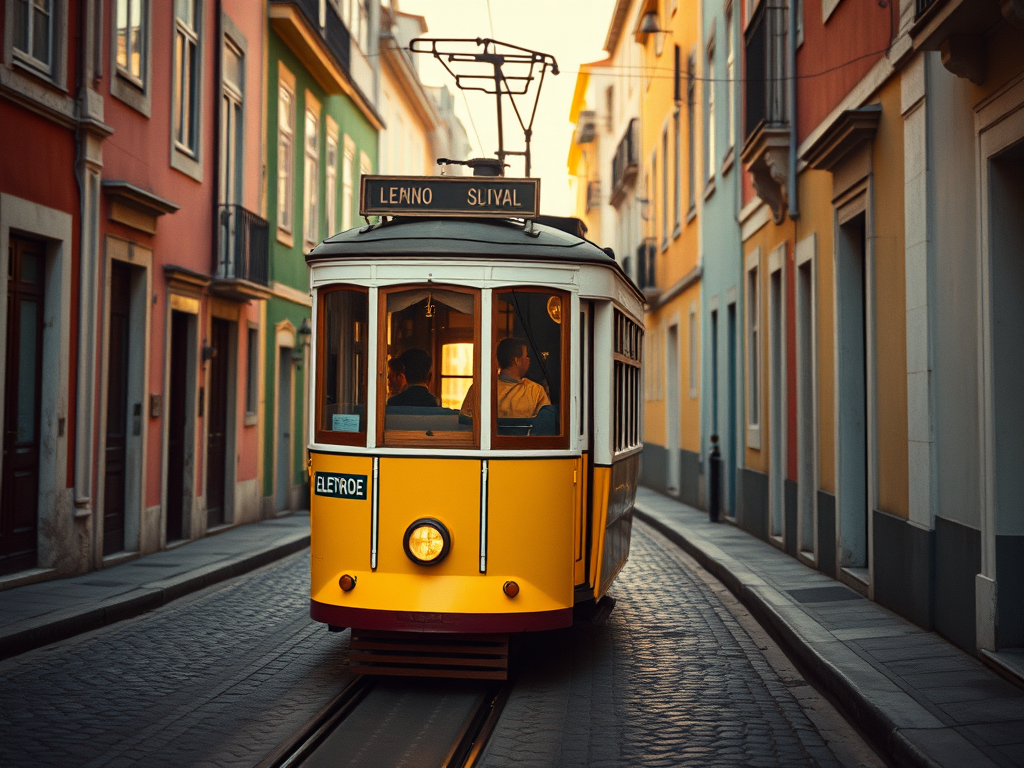
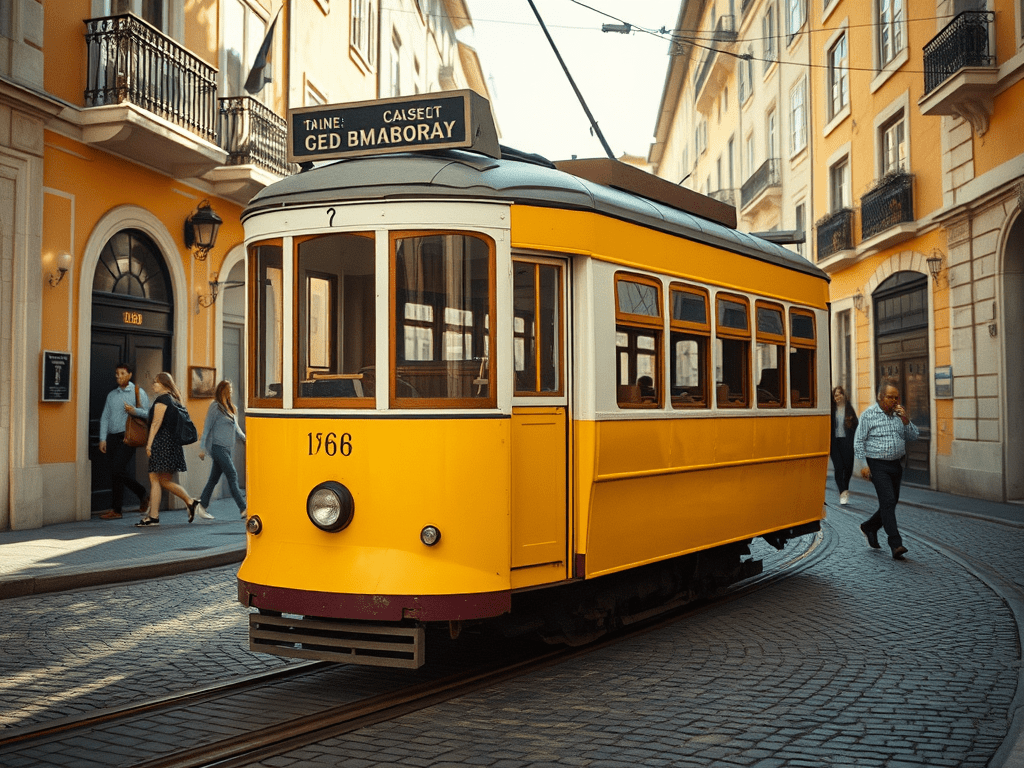
While Lisbon remained constrained by the Estado Novo, modernity continued to reshape the city. Infrastructure development projects brought electricity, expanded public transportation, and improved the city’s overall connectivity. These advancements set the foundation for Lisbon’s later economic expansion. However, under Salazar, many artistic and intellectual pursuits were subject to censorship, creating an atmosphere of tension between the state and the people.
The tipping point came in 1974 with the Carnation Revolution, a bloodless coup that overthrew the Estado Novo and restored democracy to Portugal. Led by the Armed Forces Movement, a group of left-leaning military officers, the revolution was widely supported by the population and marked the end of Salazar’s dictatorship. Citizens took to the streets in Lisbon, waving red carnations as a symbol of peace and solidarity. The revolution led to the establishment of the Third Republic, bringing newfound freedom to Lisbon and marking a period of social reform and economic transformation.
With Portugal’s transition to democracy and its entry into the European Economic Community in 1986, Lisbon embraced modernization and integration with Europe. The city began a phase of rapid development, with investments in public services, infrastructure, and tourism. This era redefined Lisbon as a vibrant European capital, open to the world and eager to shed its authoritarian past.
Lisbon Today: Cultural Renaissance and Global Influence
In recent decades, Lisbon has enjoyed a cultural and economic renaissance, reasserting itself as one of Europe’s most dynamic capitals. The city has capitalized on its rich history, unique architecture, and vibrant cultural heritage to become a leading tourist destination, drawing millions of visitors from around the world each year. The rise of tourism has been instrumental in revitalizing the city’s economy, bringing newfound energy to its historic neighborhoods and cultural institutions.
Lisbon’s architecture remains one of its most distinct features, with neighborhoods like Alfama, Baixa, and Bairro Alto offering a mix of Moorish, medieval, and Pombaline styles. The blend of old and new architecture has inspired a thriving art and design scene, as creatives draw from Lisbon’s history and landscape to craft unique works. The city is now home to a growing number of art galleries, design studios, and cultural festivals, attracting artists and innovators from across Europe and beyond.
Additionally, Lisbon has invested heavily in modernization projects to enhance its global standing. The city hosted the World Expo in 1998, which spurred significant urban development along the eastern waterfront, leading to the creation of the Parque das Nações. This area, once an industrial zone, was transformed into a modern district with a large aquarium, museums, and event spaces. The success of this project demonstrated Lisbon’s capacity for transformation and signaled its commitment to a sustainable future.
Culinary culture has also seen a revival in Lisbon, with Portuguese cuisine gaining international recognition. A new wave of chefs and restaurateurs has redefined traditional dishes, blending local ingredients with global techniques. Restaurants, cafes, and food markets throughout the city celebrate Portugal’s rich gastronomic heritage, while innovative culinary experiences continue to attract food enthusiasts from around the world.
Today, Lisbon also stands as a hub for technology and innovation, becoming one of Europe’s emerging centers for startups and tech conferences. The annual Web Summit, one of the world’s largest technology conferences, relocated to Lisbon in 2016, drawing thousands of entrepreneurs, investors, and tech enthusiasts to the city each year. This event has helped position Lisbon as a key player in Europe’s digital economy, fostering a startup-friendly environment and attracting international investment.
Lisbon’s current role on the global stage is one of a city that embraces its heritage while continuously evolving. It exemplifies resilience and adaptability, retaining its unique charm and traditions as it advances into the 21st century. The city’s enduring appeal lies in its ability to celebrate both its historical legacy and its vibrant, modern identity, making Lisbon a fascinating destination and a dynamic place to live and work.
Conclusion
Lisbon’s history is a testament to resilience, adaptation, and cultural richness. From its ancient origins through the trials of the Age of Discovery, the devastation of the 1755 earthquake, and the revolutions that reshaped it, Lisbon has evolved into a city of both tradition and innovation. Today, Lisbon balances its storied past with a forward-looking approach, making it a hub of art, technology, and tourism. As it continues to grow on the global stage, Lisbon remains a city defined by its heritage, diversity, and enduring spirit, inviting the world to explore its past while shaping a vibrant future.