
Introduction
San Francisco is one of the most iconic cities in the United States, renowned for its diverse culture, progressive attitudes, technological innovations, and scenic beauty. Situated on a peninsula surrounded by the Pacific Ocean and San Francisco Bay, the city’s history is deeply intertwined with pivotal moments in American and global history. From its Indigenous roots to its development as a modern metropolis, San Francisco has always been at the center of transformation, growth, and innovation.
Indigenous Roots: The Ohlone People
Before European explorers arrived, the area now known as San Francisco was home to the Ohlone people, who lived in the Bay Area for thousands of years. The Ohlone were not a single tribe, but a collection of different groups who shared linguistic and cultural similarities. These Indigenous peoples lived in harmony with the natural environment, developing sustainable ways to live off the land, the bay, and the Pacific Ocean.
The Ohlone relied on hunting, fishing, and gathering, creating a rich diet based on the region’s abundant resources, including acorns, shellfish, and small game. Their societies were organized around small villages, and they practiced a deep spiritual connection to the land, water, and animals. This period of Ohlone presence is the longest and most stable chapter of the region’s history, and despite the significant disruptions that would come later, the Ohlone people maintain a cultural presence in the region to this day.
However, the arrival of Spanish explorers in the 18th century would irrevocably alter the lives of the Ohlone, as European colonialism brought disease, land dispossession, and cultural disruption.
The Arrival of the Spanish: Mission San Francisco de AsÃs
In 1769, the first Spanish expedition led by Gaspar de Portolá passed through the San Francisco Bay Area. This expedition, part of Spain’s broader efforts to colonize California, marked the beginning of a new era. Within a few years, Spanish missionaries, under the leadership of Father JunÃpero Serra, established a series of missions along the California coast, including Mission San Francisco de AsÃs, commonly known as Mission Dolores, in 1776.
The mission system was designed to convert Indigenous populations to Christianity and integrate them into the Spanish colonial economy. Indigenous people were brought into the mission system, where they were taught European agricultural techniques and religious practices. However, the missions also disrupted Indigenous life, leading to the loss of traditional customs, the spread of European diseases, and the forced labor of Indigenous populations.
During this period, the Presidio of San Francisco, a military outpost, was established to defend the Spanish settlements and missions from foreign powers and Indigenous uprisings. Despite these efforts, the settlement that would eventually become San Francisco remained small and relatively isolated from the major centers of power in Mexico and Spain.
Mexican Independence and the Rise of Yerba Buena
In 1821, Mexico gained independence from Spain, and California became a Mexican territory. The new Mexican government enacted a series of reforms that secularized the missions, redistributing much of their land to private individuals in the form of ranchos. This marked the end of the mission era and the beginning of a new phase in the region’s development.
One of the key developments during the Mexican period was the growth of a small trading village known as Yerba Buena, located on the shores of San Francisco Bay. The name “Yerba Buena” refers to a native herb that grew abundantly in the area, and the settlement served as a modest outpost for trade between Mexico and other Pacific nations.
Yerba Buena’s population was small, with only a few hundred residents by the mid-1840s. The settlement’s growth was slow, hindered by its geographic isolation and the lack of infrastructure. However, it was strategically positioned on one of the world’s greatest natural harbors, which would soon play a critical role in its transformation into a global city.
The U.S. Conquest and the Gold Rush: Rapid Transformation
In 1846, as part of the Mexican-American War, the United States claimed California. On July 9, 1846, the American flag was raised over Yerba Buena, marking the beginning of U.S. control over the region. Just a year later, in 1847, Yerba Buena was renamed San Francisco, reflecting its growing importance as a gateway to the Pacific.
The following year, in 1848, an event occurred that would change the course of San Francisco’s history forever: the discovery of gold at Sutter’s Mill. The California Gold Rush triggered one of the largest human migrations in history, drawing hundreds of thousands of people from around the world to California in search of fortune.
San Francisco, as the primary port city near the goldfields, exploded in population and importance. Within a matter of months, the small town of fewer than 1,000 residents became a bustling metropolis, with a population of over 25,000 by 1850. People from all over the United States, Europe, Latin America, and Asia converged on San Francisco, creating a melting pot of cultures and nationalities.
The Gold Rush brought extraordinary wealth to some, but for most, it was a grueling and often disappointing endeavor. Those who did not strike it rich in the goldfields often found work in the rapidly growing economy of San Francisco, which was becoming a hub of banking, shipping, and commerce. The rise of businesses like Levi Strauss & Co., which supplied miners with durable clothing, and Wells Fargo, which provided banking services, helped establish the city’s commercial foundation.
At the same time, San Francisco gained a reputation for lawlessness and vice, with gambling halls, saloons, and brothels becoming common fixtures in the city’s rapidly expanding neighborhoods. The city also became known for its corruption and crime, as the lack of formal governance in the chaotic Gold Rush environment allowed for the rise of vigilante justice and private security forces.
Despite these challenges, the Gold Rush laid the foundation for San Francisco’s future as a major urban center. The wealth generated by the gold economy spurred the construction of infrastructure, including roads, railways, and public buildings, while the city’s strategic location on the Pacific Ocean made it a key player in international trade.
San Francisco in the Late 19th Century: Growth and Innovation
In the decades following the Gold Rush, San Francisco continued to grow and evolve, solidifying its status as the leading city on the West Coast. The completion of the transcontinental railroad in 1869 connected San Francisco to the rest of the United States, allowing for the rapid movement of people and goods and further enhancing the city’s role as a commercial hub.
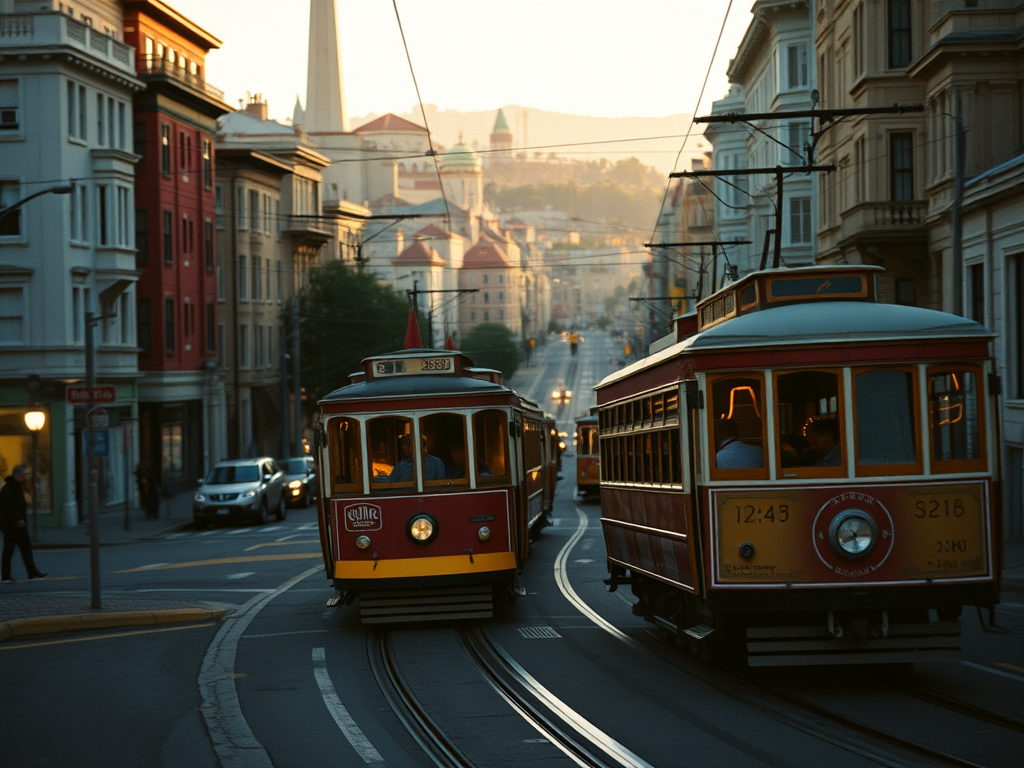
The late 19th century was also a time of innovation in San Francisco. One of the city’s most famous features, the cable car system, was introduced in the 1870s to help residents navigate the city’s notoriously steep hills. The cable cars not only provided practical transportation but also became an iconic symbol of San Francisco’s ingenuity and adaptability.
San Francisco’s cultural life also flourished during this period. The city became a center of art, literature, and performance, attracting writers, artists, and musicians from around the world. Golden Gate Park, one of the largest urban parks in the United States, was developed in the 1870s, providing a space for recreation and cultural activities.
At the same time, San Francisco was becoming increasingly diverse, with significant populations of Chinese, Italian, Irish, and German immigrants settling in the city. Chinatown, established during the Gold Rush, became the largest Chinese community outside of Asia and a vital part of the city’s economy and cultural identity. The Chinese Exclusion Act of 1882, which severely restricted Chinese immigration to the United States, was a response to growing anti-Chinese sentiment in San Francisco and other parts of the country, but despite this, the Chinese community remained resilient.
The city also played a role in shaping labor movements in the United States. San Francisco’s working-class population, many of whom were immigrants, were involved in labor strikes and political movements advocating for better working conditions and fair wages. The city’s maritime workers, in particular, were at the forefront of these struggles, laying the groundwork for labor activism that would continue into the 20th century.
The Earthquake and Fire of 1906: Catastrophe and Rebuilding
San Francisco’s rapid growth and prosperity were dramatically interrupted on April 18, 1906, when a powerful earthquake struck the city. The earthquake, estimated to be between 7.8 and 8.2 on the Richter scale, caused widespread devastation, collapsing buildings, destroying infrastructure, and igniting fires that raged for days. Over 3,000 people died in the disaster, and nearly 80% of the city was destroyed, making it one of the deadliest and most destructive natural disasters in American history.
The destruction of San Francisco in 1906 was a monumental challenge, but it also presented an opportunity for the city to rebuild and modernize. Within a few years, much of the city had been reconstructed, with new buildings, streets, and infrastructure. The rebuilding effort was driven by a combination of public and private investment, and it reshaped the city’s landscape in significant ways. Landmark structures such as City Hall and the Ferry Building were built during this period, and the city’s iconic street grid was redesigned to accommodate future growth.
The earthquake and fire also underscored the importance of disaster preparedness and urban planning. In the years following the disaster, San Francisco made significant investments in its infrastructure, including water supply systems and earthquake-resistant building designs, to mitigate the impact of future natural disasters.
The World Wars and Economic Growth in the 20th Century
The early 20th century was a period of growth and industrialization for San Francisco. The Panama-Pacific International Exposition, held in 1915, celebrated the city’s recovery from the earthquake and showcased its role as a gateway to the Pacific. The exposition also highlighted San Francisco’s burgeoning reputation as a center of innovation, with exhibits on emerging technologies and industries.
During World War I and World War II, San Francisco became a major hub for the U.S. military, particularly for operations in the Pacific Theater. The city’s shipyards produced a significant portion of the naval vessels used in both wars, and the port of San Francisco was a key point of departure for troops and supplies heading to the Pacific front.
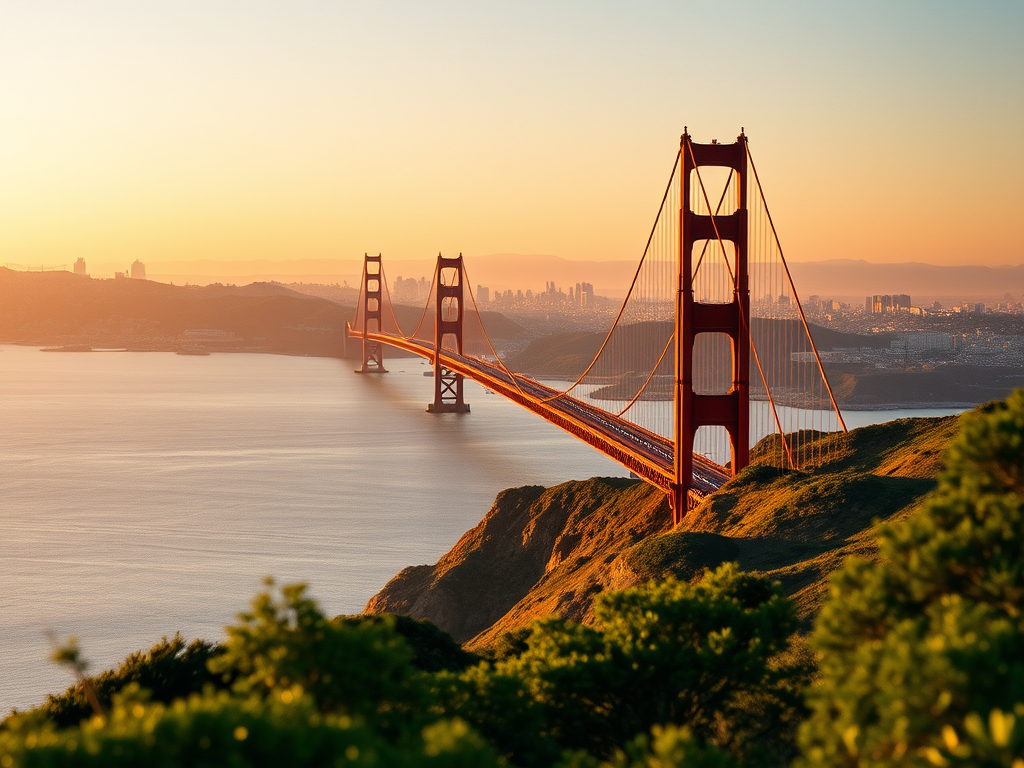
The post-war era brought new challenges and opportunities for San Francisco. The city’s economy shifted from industrial production to services and finance, with a growing emphasis on banking, tourism, and technology. The construction of the Golden Gate Bridge in 1937 and the Bay Bridge in 1936 enhanced the city’s connectivity and solidified its role as a major transportation hub.
The mid-20th century also saw significant social and political movements take root in San Francisco. The city became a center of progressive politics and countercultural movements, including the Beat Generation in the 1950s, the civil rights movement, and the anti-Vietnam War protests of the 1960s. San Francisco’s Haight-Ashbury neighborhood became the epicenter of the hippie movement, and the city became synonymous with the ideals of peace, love, and social change.
The LGBTQ+ Rights Movement and the Rise of Silicon Valley
In the 1970s and 1980s, San Francisco emerged as a global leader in the fight for LGBTQ+ rights. The city’s Castro District became a symbol of gay liberation, and activists like Harvey Milk, the first openly gay elected official in California, played a crucial role in advancing LGBTQ+ rights in the United States. San Francisco’s Pride Parade, one of the largest in the world, continues to celebrate the city’s role as a champion of equality and diversity.
At the same time, San Francisco’s economy was being transformed by the rise of the technology industry. Silicon Valley, located just south of San Francisco, became the global epicenter of the tech revolution, and the city became home to a growing number of technology companies, entrepreneurs, and innovators. The dot-com boom of the 1990s and the rise of social media in the 2000s further cemented San Francisco’s status as a global technology hub.
Modern Challenges and the Future of San Francisco
As the 21st century progresses, San Francisco continues to face both opportunities and challenges. The city’s status as a global center of innovation and technology has brought wealth and prosperity, but it has also led to significant social and economic disparities. Rising housing costs, gentrification, and homelessness are among the most pressing issues facing the city today.
Despite these challenges, San Francisco remains a dynamic and resilient city, known for its progressive values, cultural diversity, and entrepreneurial spirit. Whether navigating the impacts of climate change, addressing social inequality, or continuing to lead in technological innovation, San Francisco’s future promises to be as transformative as its past.
Watch the short video below to know more about San Francisco!





[…] has a rich and complex history that dates back to its founding in 1904. Originally established in San Francisco as the Bank of Italy, it aimed to provide financial services to the immigrant population. Over the […]
[…] is steeped in a rich and complex history that has fascinated people for decades. Located in San Francisco Bay, Alcatraz was initially established as a military fortification during the Civil War, serving […]
[…] of the Transamerica Pyramid can be traced to the mid-20th century when the booming economy of San Francisco warranted a landmark to symbolize its burgeoning status. The Transamerica Corporation, founded in […]